
As a physician assistant, I’m naturally skeptical of products that promise dramatic results. Every day, I counsel patients to be cautious of marketing claims and to look for evidence before spending money on supplements or wellness products. In turn, I’m also intentional about what I put into my body. If I’m going to take a supplement every day, I want to understand what’s in it, why those ingredients were chosen, and whether there’s any research supporting its use. I don’t believe in chasing trends or miracle cures, but I found myself desperately looking for a solution when like many women, I experienced significant postpartum hair shedding several months after giving birth. I expected it. What I didn’t expect was that months after the shedding slowed down, my hair still wasn’t growing back the way everyone said it would.
My temples looked thinner. My ponytail felt noticeably smaller. Every time I pulled my hair back, I found myself wondering if this was simply my “new normal.” I became self-conscious about something I had always taken for granted. I found myself reaching for a baseball cap hoping to hide my thinning hair beneath it. And it t wasn’t just about vanity. It may sound like a small thing, but after everything your body goes through during pregnancy and postpartum, losing your hair can feel like losing another piece of yourself.
I decided I needed to approach the problem the same way I would when talking with a patient. I needed to understand what actually supports healthy hair growth and whether there were nutritional approaches backed by science. That search eventually led me to Viviscal.
Foundations of Hair Health
Working in medicine has taught me that healthy hair isn’t simply about what you apply to your scalp. Hair is produced by living follicles that rely on adequate nutrition, circulation, hormones, and overall health. While topical products absolutely have their place, they can only do so much if your body isn’t receiving the nutrients needed to support healthy hair production.
Hair naturally cycles through phases of growth, transition, and shedding. After pregnancy, hormonal shifts cause many hairs to enter the shedding phase at the same time, which explains why postpartum hair loss can feel so dramatic. Pregnancy and breastfeeding are among the most nutritionally demanding times in a woman’s life. Even if you’re eating well, your body has spent months prioritizing your baby’s needs over your own. By the time breastfeeding ends, many women find that their nutrient stores are depleted and if nutrients are in short supply, hair growth is one of the first things to slow down.
For many women, regrowth happens naturally. For others, including me, that recovery can take much longer than expected. That made me interested in supporting hair health from the inside rather than focusing exclusively on external products.
Hair Care’s Shift Toward Inside Out Beauty
Something I’ve noticed both as a healthcare provider and as a consumer is that beauty has become much more holistic. There is an increasing investment of supplements as part of a broader preventative wellness routine rather than waiting to address concerns after they appear such as vitamin D, collagen peptides and green powders. People are also paying more attention to sleep, nutrition, exercise, stress management, hydration, and supplementation because they recognize that healthy skin and hair often reflect overall health.
Hair care is following the same evolution. Instead of relying solely on shampoos and conditioners, many people are incorporating nutritional supplements into their routines to complement their external hair care. Supporting the body internally often works alongside, not instead of, external treatments.
Introducing Viviscal
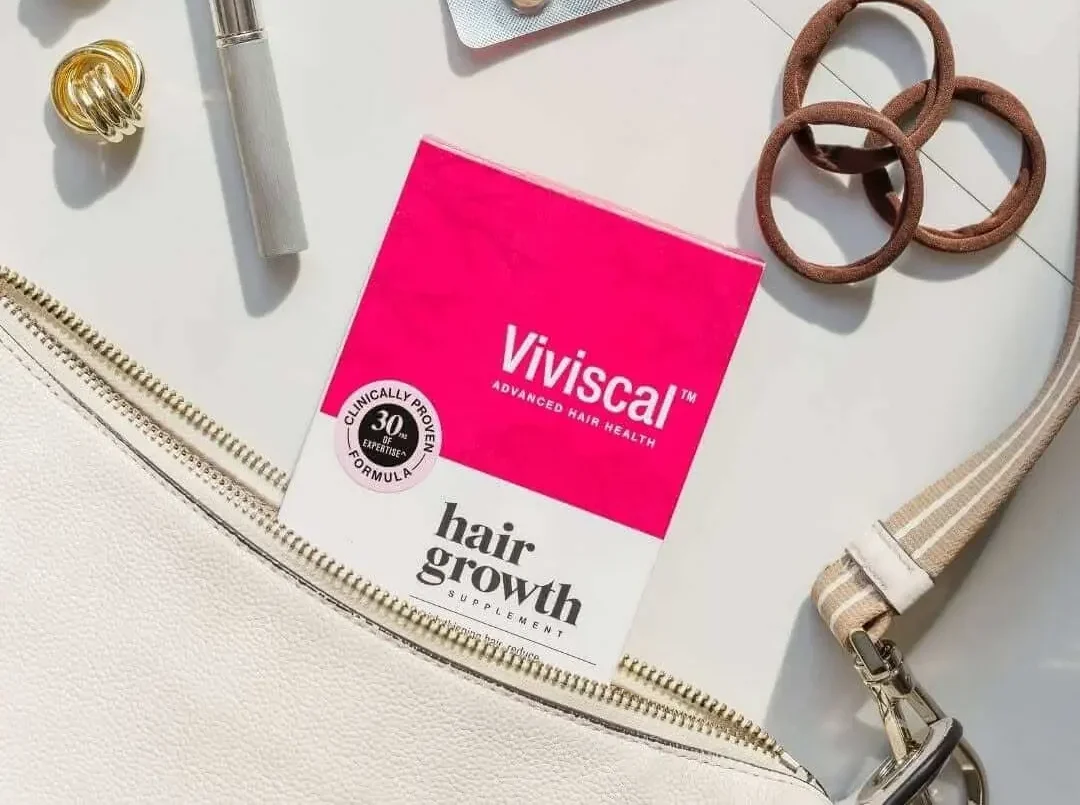
As I researched different hair supplements in my own personal quest, Viviscal consistently stood out because it wasn’t simply relying on trendy ingredients or unrealistic promises.
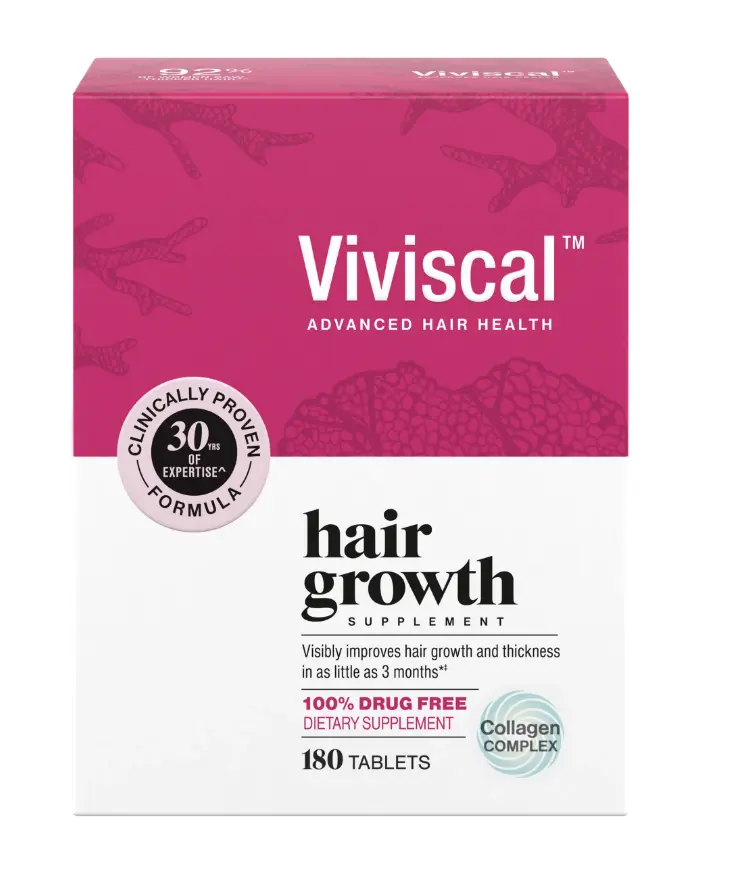
Its origins date back to the late 1980s, when a Scandinavian professor’s research into the Inuit people’s fish- and protein-rich diet led to the discovery of key marine protein molecules that became Viviscal’s proprietary AminoMar® complex which help to supply the amino acids which are the building blocks for the primary protein in hair. Their supplement formulation also includes, biotin, vitamin C, zinc, niacin and iron which are essential to provide the nutrients, oxygen and antioxidant support important for hair growth.
Viviscal also offers complementary hair care products, including shampoos, conditioners, and scalp-focused products designed to work alongside their nutritional supplements as part of a complete hair wellness routine.
As a nutrient needy and complex process, hair simply doesn’t grow overnight and in my case, months and months. In clinical studies, many participants didn’t begin noticing meaningful improvements until around three months, which felt much more realistic than products promising dramatic changes within weeks.
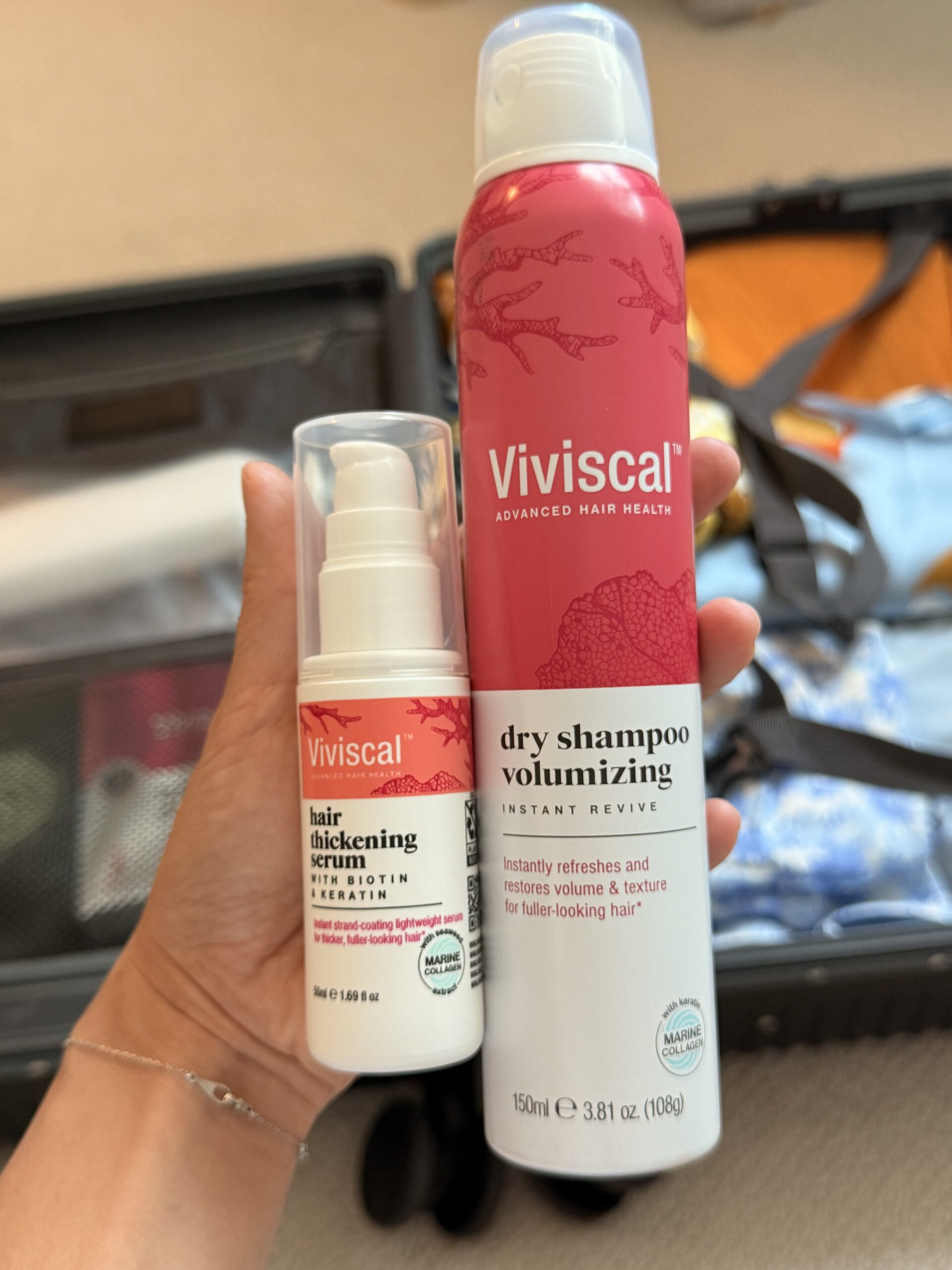
My Experience
I had already spent seven months waiting for regrowth that never seemed to come. I decided three months with Viviscal was an easy investment to make.
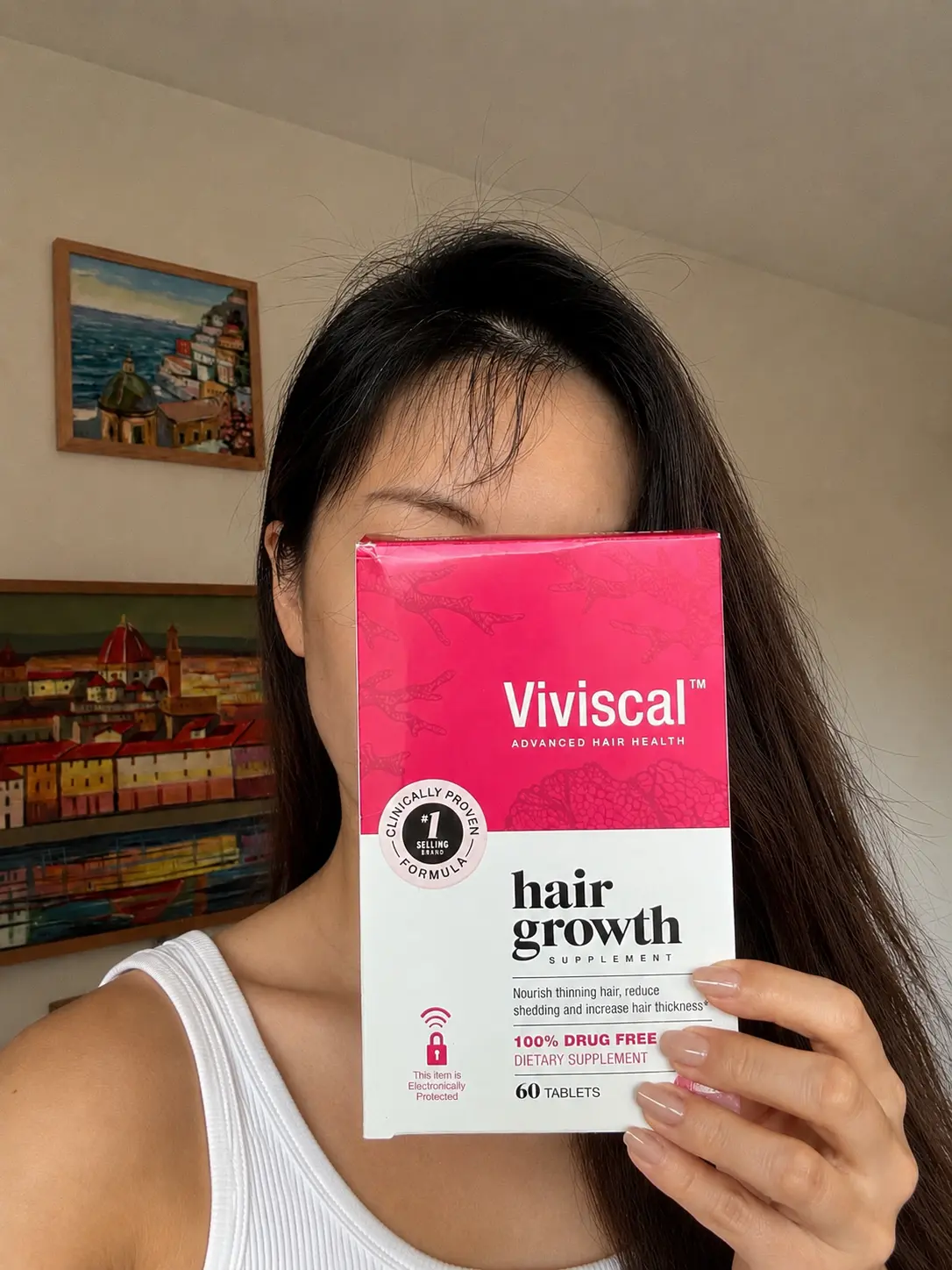
The first month, I honestly didn’t notice much. By the second month, I realized I wasn’t cleaning nearly as much hair from the shower drain. Around the three month mark, I started seeing exactly what I’d been hoping for. Tiny baby hairs began appearing around my hairline. Tiny baby hairs evolved to inch long strands that stuck out straight, not quite carrying the weight to be tamed. My temples started to look fuller. Most importantly, I started to regain a piece of myself again.
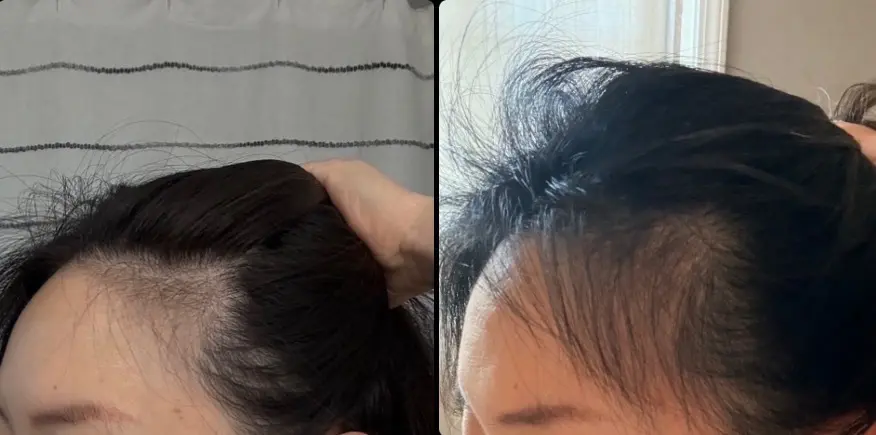
Of course, no supplement works the same for everyone, and individual results vary depending on factors such as genetics, nutrition, hormones, and the underlying cause of hair thinning. But as someone who spends my career evaluating evidence and helping patients make informed decisions, I appreciated that my experience mirrored what many other reviewers have reported. If you’re experiencing postpartum thinning or simply noticing that your hair isn’t as full as it once was, taking an inside out approach may be worth considering.
These statements have not been evaluated by the Food and Drug Administration. This product is not intended to diagnose, treat, cure or prevent any disease.