
The average woman loses 50 to 100 hairs a day — but by 40, roughly 40% of us notice visible thinning, and almost none of us were warned it was coming. That number reframes the entire argument happening right now between dermatologists pushing pills and stylists pushing serums. Both camps are selling you a half-truth.
The Myth That One Approach Beats the Other
Walk into a dermatology office and you’ll hear that topicals are a waste if your follicles are starving from the inside. Walk into a salon and you’ll hear that supplements are expensive urine if your scalp is inflamed, clogged, or coated in silicone buildup. Both are overcorrecting.
Hair grows in cycles — anagen, catagen, telogen — and shedding happens when too many follicles slide into telogen at once. That shift gets triggered by hormones, iron levels, stress, thyroid function, postpartum drops, perimenopause, and yes, what you’re putting directly on your scalp. No oral supplement reaches a follicle that’s buried under sebum and dead skin. No shampoo fixes ferritin levels in the 20s.
The real answer is boring and both/and. Dermatologists who dismiss topicals and stylists who dismiss bloodwork are each solving one quarter of the puzzle. Women over 35 almost always need both lanes open.
The Biotin Lie Nobody at the Vitamin Aisle Wants to Admit
Biotin became the hair supplement by accident. True biotin deficiency is rare — mostly seen in people on certain anti-seizure medications or with specific genetic conditions. If you’re not deficient, megadosing it does nothing for your hair and can skew thyroid lab results, which is a real problem if thinning is actually a thyroid issue in disguise.
What actually has peer-reviewed data behind it for women’s hair:
- Iron and ferritin — some research has explored a possible association between lower ferritin levels and shedding, though findings vary
- Vitamin D — low levels correlate with telogen effluvium
- Marine-derived complexes like the ones in Viviscal; the brand cites studies it has conducted, and some users report improvements (see our full hands-on review)
- Zinc — but only if you’re low; excess suppresses copper
Buying a $12 bottle of biotin gummies because the label shows a woman with waist-length hair is marketing, not medicine.
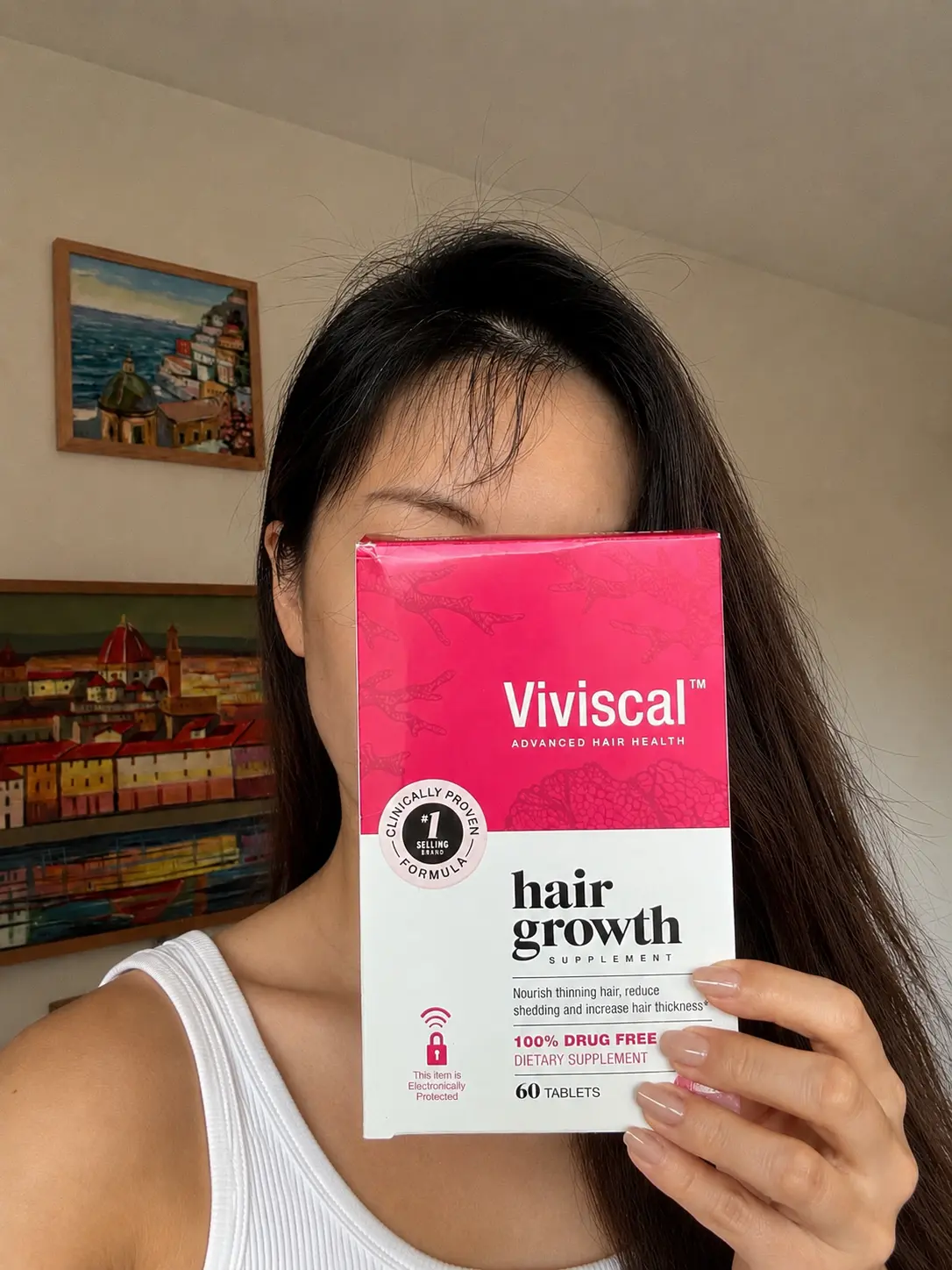
This is where Viviscal has carved out its niche. Rather than leaning on biotin as its hero ingredient, the formula is built around AminoMar — a marine-derived complex originally developed after researchers noticed that populations with high fish consumption tended to have thicker, fuller hair. The brand pairs that with biotin, zinc, iron, vitamin C, and horsetail extract, so the ingredient list reads less like a single-vitamin bet and more like a nutritional support package for the follicle. Women tend to take it twice daily, and the brand itself tells users to expect three to six months before judging results — which is honest, if less sexy than “30 days to thicker hair.” For women whose bloodwork comes back borderline but not clinically deficient, it’s one of the few hair supplements with brand-sponsored clinical research behind it, which is more than most of the bottles on the drugstore shelf can say. We put it through its paces ourselves — the full breakdown is in our Viviscal review.
The Scalp-First Approach: Why What You Wash With Matters More Than You Think
Stylists have been right about one thing for years: the scalp is skin, and we treat it worse than we treat our face. Clarifying matters. Massage matters. The pH of your shampoo matters.
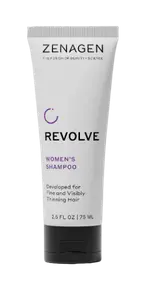
This is the lane where Zenagen’s Revolve Thickening Shampoo for Women has earned attention. It’s a plant-based botanical treatment designed to be left on the scalp for about five minutes before rinsing, which is closer to how you’d use a mask than a traditional shampoo. The formula is sulfate-free and leans on botanical extracts rather than harsh detergents, which matters because stripping the scalp with the wrong surfactants can actually accelerate the kind of inflammation that worsens shedding. Stylists tend to recommend it as a few-times-a-week treatment rather than an everyday wash, letting a gentler cleanser handle the in-between days. The point isn’t that one bottle regrows hair on its own — it’s that the scalp needs an environment that lets follicles function, and most mass-market shampoos are optimized for shiny lengths, not healthy roots.
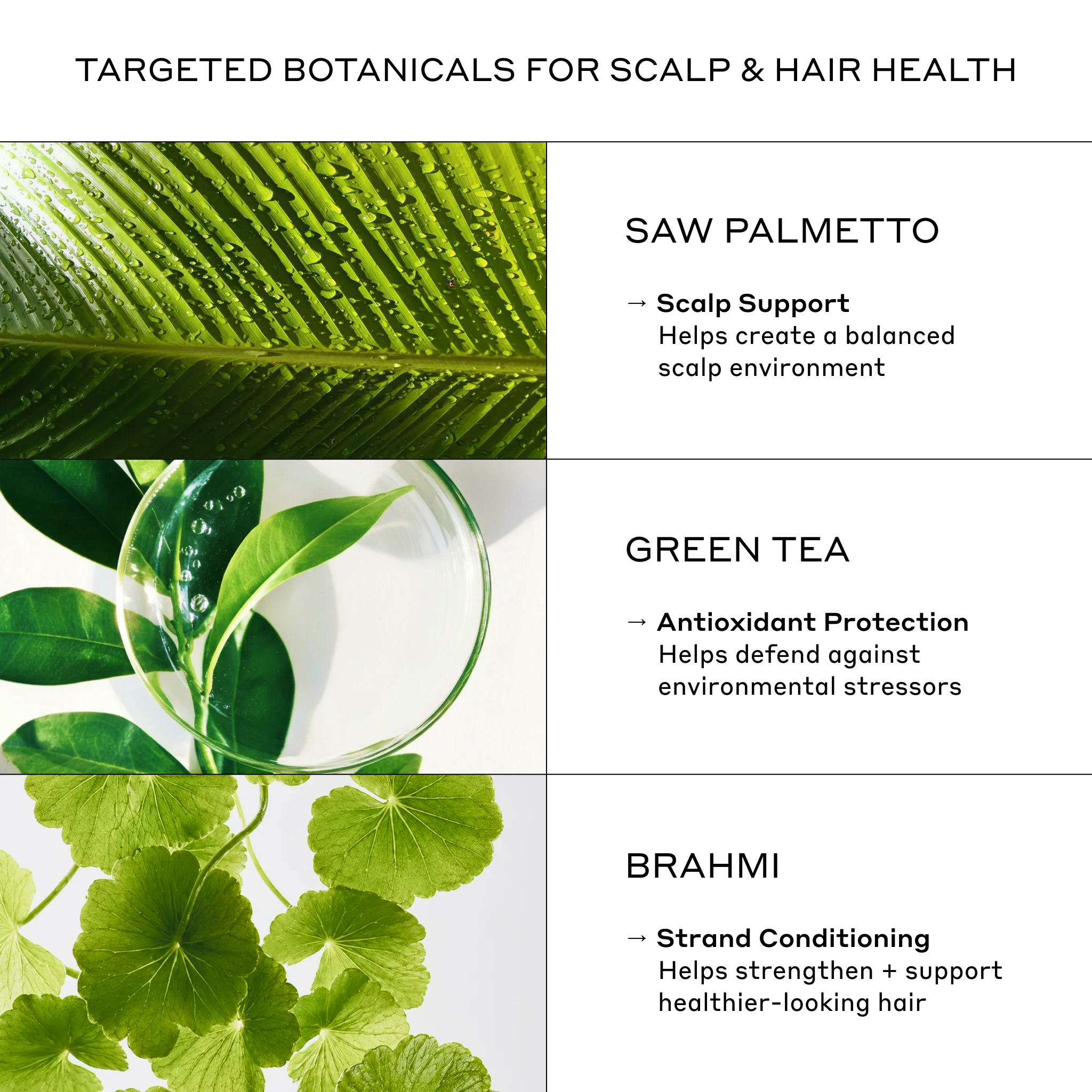
Paired with an internal routine — say, Viviscal working from the inside (we documented our own trial here) — Zenagen covers the outside half of the equation that supplements physically cannot reach. Think of it as the shampoo doing the scalp work while the capsule handles the bloodstream. This is the pairing that most closely mirrors what a dermatologist-and-stylist tag team would actually prescribe if the two professions talked to each other more often.
Beyond product, the mechanics are simple: wash often enough that sebum doesn’t suffocate follicles, massage for two to five minutes to encourage blood flow, and skip anything with heavy waxes near the roots.
The Minoxidil Conversation Women Keep Avoiding
Topical minoxidil — the active in Rogaine — is an FDA-approved topical your dermatologist can discuss with you, and most women still haven’t asked about it because the brand marketing was aimed at men for forty years. It’s one of the options a dermatologist may bring up when women raise concerns about thinning.
The caveats nobody mentions in the ads:
- Many women experience increased shedding early on — this is often described as older hairs being pushed out
- Noticeable changes typically take several months of consistent use
- Any gains tend to reverse once use is discontinued
- It’s generally discussed as more helpful for crown thinning than a receding hairline
It is not a miracle. It is a maintenance commitment, like SPF. Women who understand that upfront stick with it; women who were promised a transformation in 30 days quit by week three.
What Actually Works When You Combine Both Sides
A realistic approach for a woman noticing more scalp than she used to:
- Get bloodwork — ferritin, vitamin D, thyroid panel, hormones
- Treat the scalp like skin, not an afterthought
- Choose one evidence-backed supplement like Viviscal (here’s how it went for us), not five
- Add a topical option such as Zenagen’s Revolve Thickening Shampoo
- Give any protocol six months before judging it
The women who see real changes are almost always running Viviscal and Zenagen in parallel — not because either one is a magic bullet, but because the inside and the outside of the follicle are two different problems that need two different tools. One capsule, one bottle in the shower, and the patience to let the hair cycle do what it does. If you want the long-form version of our Viviscal experiment, we tested it here.
Visit Peak&Pick for more.