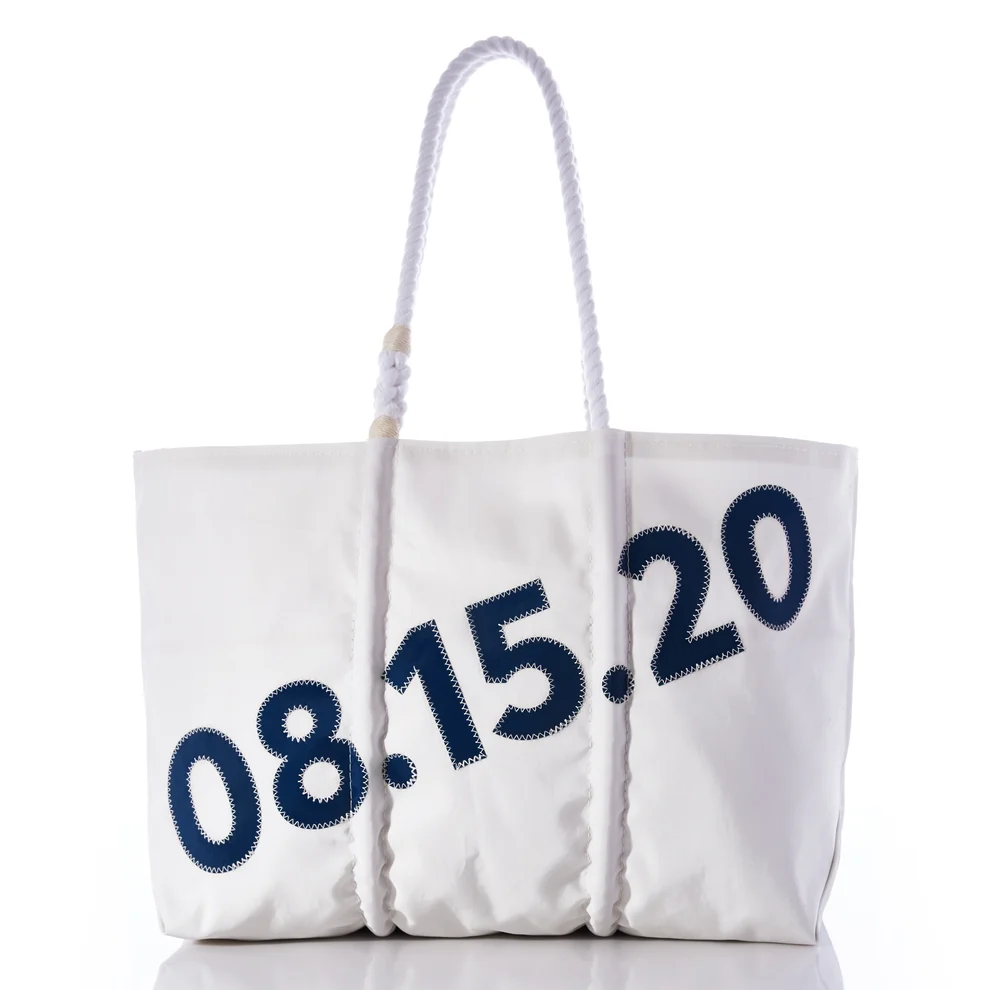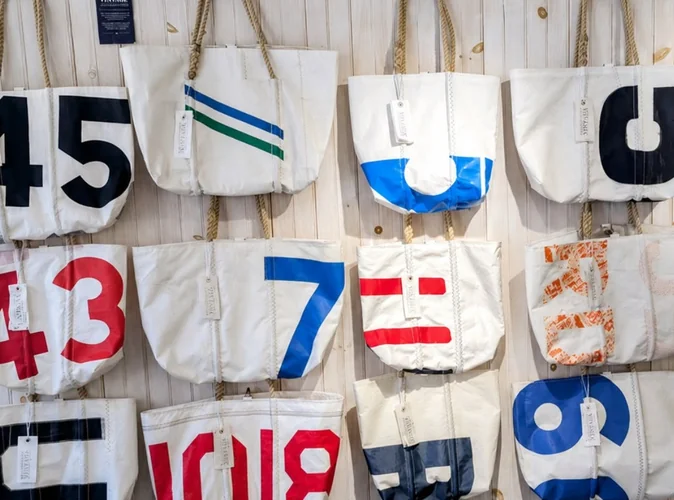

The most interesting bag in the room right now isn’t Italian leather. It’s a retired sail from a boat that used to race off the coast of Maine, stitched into something you’ll carry for the next twenty years.
While everyone argues about vegan leather versus the real thing — one made of plastic, the other tied to feedlots — a third option has been sitting in plain sight. Upcycled sailcloth. Weather-beaten, salt-stiffened, already proven to survive Atlantic storms. And somehow the fashion crowd is still sleeping on it.
Why the Leather Debate Is a Trap
The industry wants us to pick a side. Team leather (heritage, patina, the smell) or team vegan (no animals, no cruelty, hooray). Both sides are selling something.
Real leather is a byproduct of a beef industry with a carbon footprint the size of a small country. Vegan leather is usually polyurethane — petroleum in a trench coat, cracking within two seasons and landing in a landfill for the next 500 years. Neither one is the moral high ground its marketing insists it is.
The counterintuitive answer isn’t a new material at all. It’s a used one. Sailcloth that has already lived a full life, already been paid for in carbon, already been tested by weather no factory can simulate. Nothing new needs to be extracted, grown, or drilled for. That’s the actual math of a lower-impact bag, and it doesn’t require choosing between two flavors of guilt.
Emma Watson Has Been Trying to Tell Us This for Years
Emma Watson wore an outfit made from recycled plastic bottles to the 2016 Met Gala, and half the internet treated it like a stunt. She has spent almost a decade backing circular fashion, from her Good On You advisory work to her insistence on wearing rented and vintage pieces on red carpets.
The point she keeps making, and the one most of us keep missing: the greenest garment already exists. It’s the one that’s been made, worn, and given a second life. Upcycled sailcloth is that idea in accessory form.
What a Truly Sustainable It-Bag Actually Looks Like
Look at the Sea Bags Custom Date Tote. Each one is cut from a real retired sail — you can pick a date that matters (a birthday, an anniversary, the day you moved out) and they’ll stitch it into the canvas in rope-style numerals.
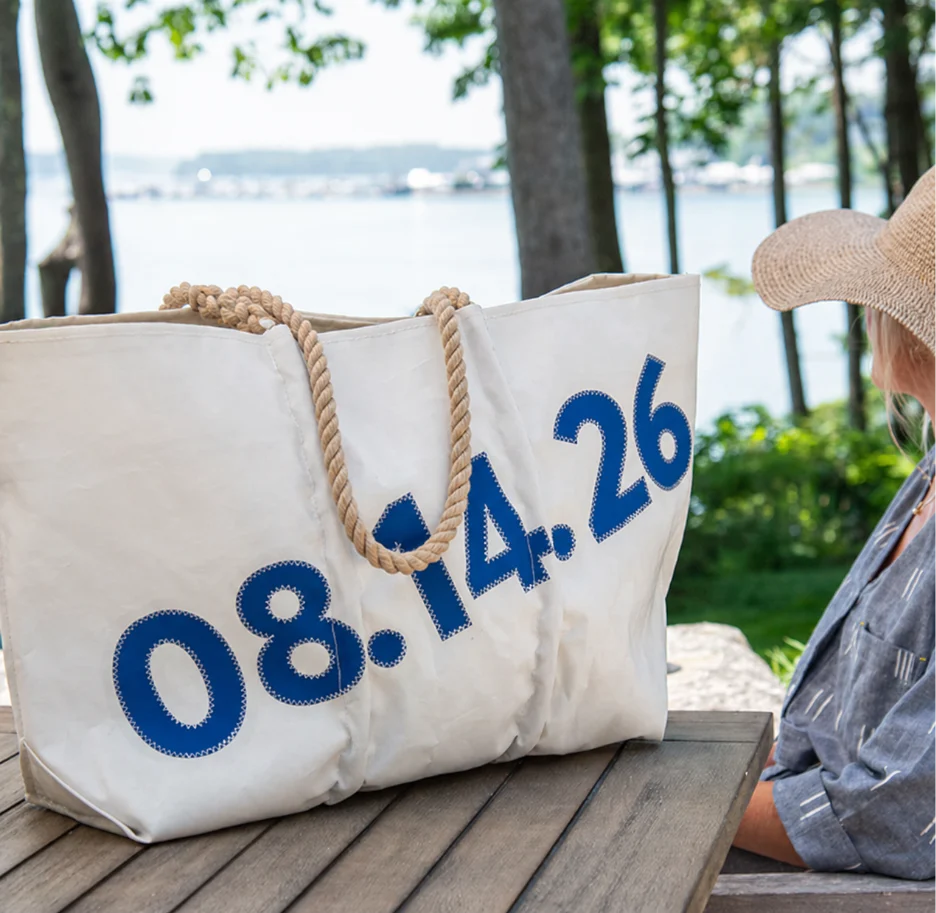
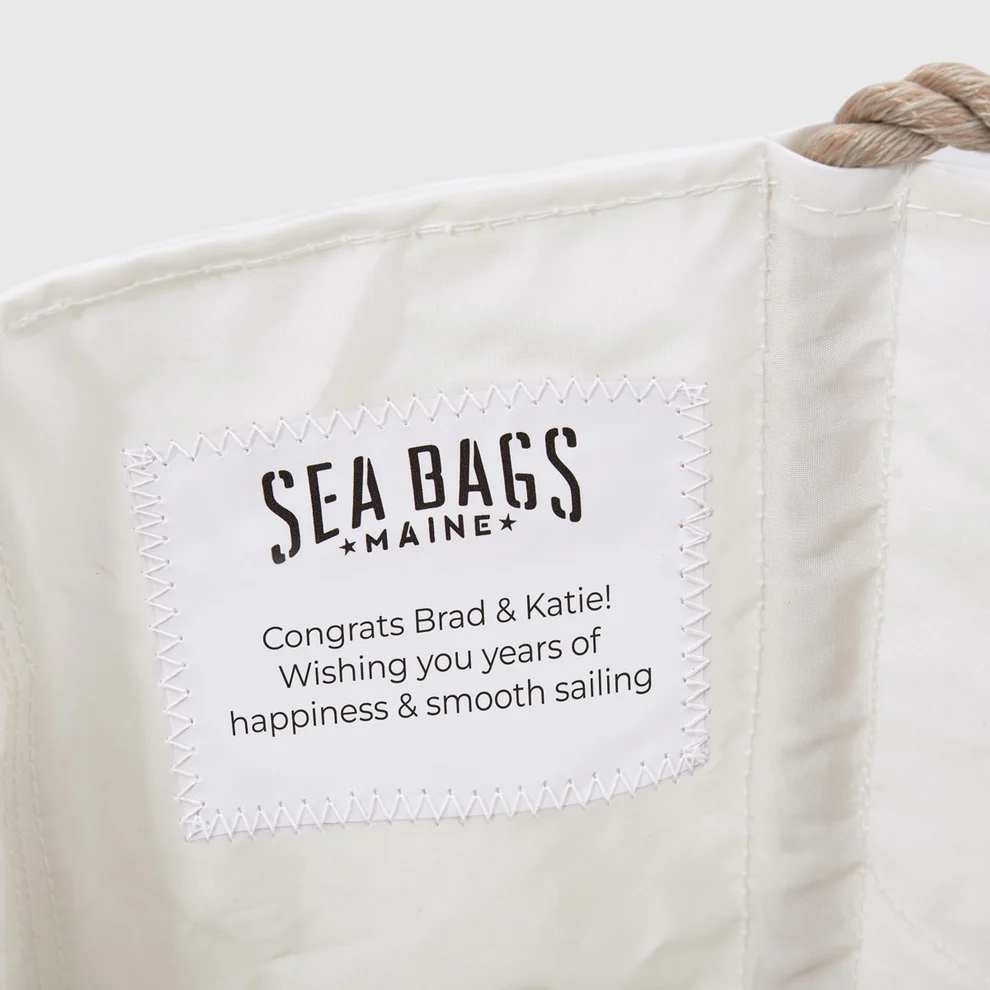
The bag is made in Portland, Maine, by hand, and the sailcloth is heavy enough to haul groceries, beach gear, or a laptop for the next decade. That’s the assignment for an heirloom piece: personal, durable, and not born from a factory line.
The Style Argument Nobody Makes
Sailcloth looks good. That should be the headline, not the footnote. The weave has texture. The occasional weathered mark or faded stripe reads as character, the same way a broken-in Barbour or a scuffed Golden Goose does — except this version wasn’t manufactured to look worn.
A tote made from a decommissioned racing sail carries a story a monogrammed logo bag cannot buy. It signals taste without shouting a brand name across your ribcage.
More style takes worth your time live at Peak&Pick.