
When most people think about upgrading their homes, they tend to focus on the obvious categories—furniture, appliances, lighting, or decor. Home security often gets overlooked until there’s a reason to think about it.
But Yale Home is making a strong case for why your front door deserves just as much attention.
With a history dating back generations, Yale has long been one of the most recognizable names in home security. Today, the brand is bringing that expertise into the smart-home era with locks, keypads, and access solutions designed around the way people actually live.
The result isn’t just a more secure home. It’s a more convenient one.
The End of Spare Keys
Almost everyone has dealt with the hassle of physical keys at some point — misplacing them, getting copies made, or trying to coordinate access for someone else.
For me, it stopped being an occasional annoyance and started being a daily friction point. I travel often, which means I’m not always around to hand off a key in person. Add in the smaller moments — a cat sitter who needs access for a weekend, a neighbor grabbing packages, anyone coming and going while I’m not home — and the traditional lock-and-key setup just stopped matching how my life actually runs.
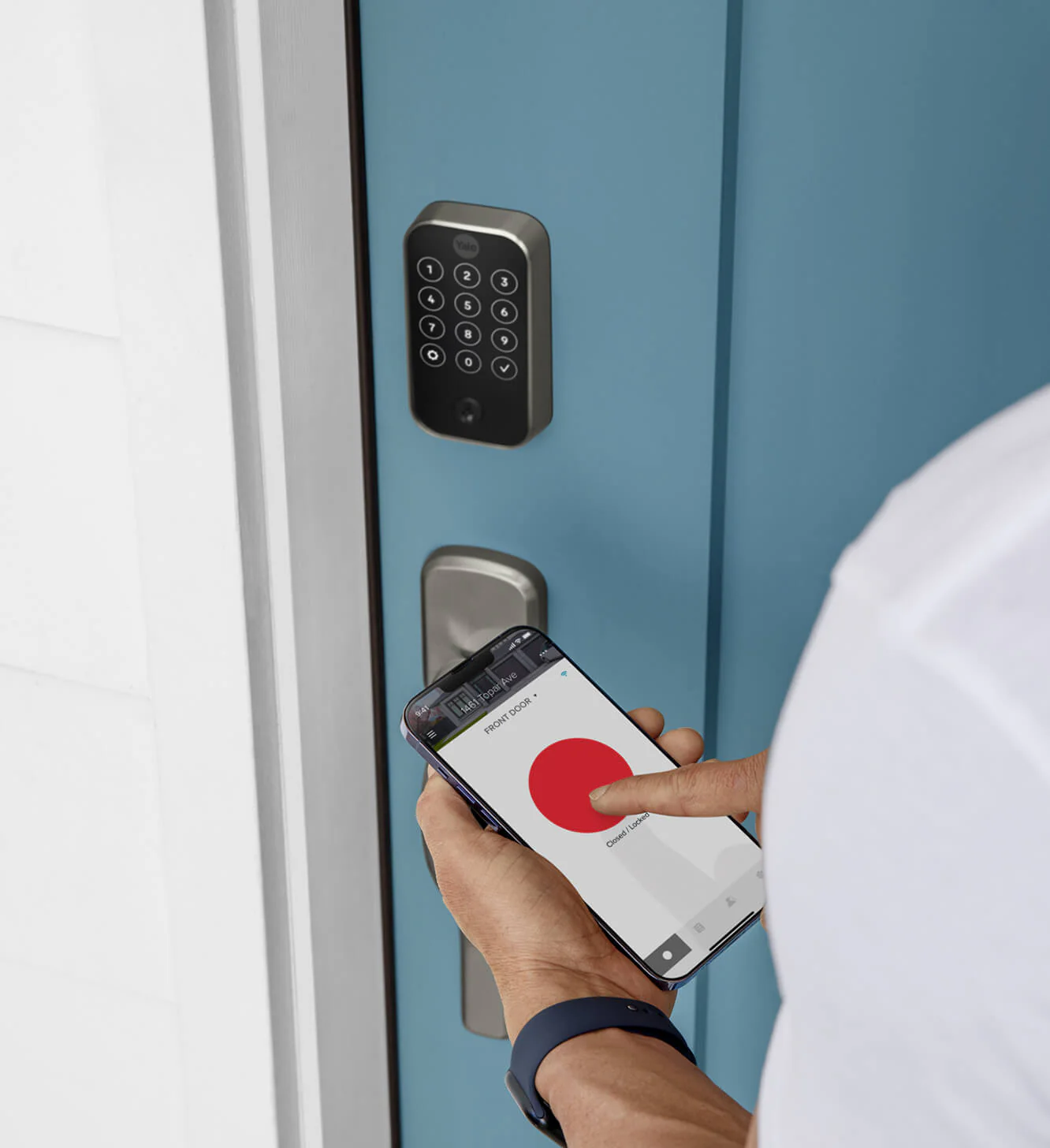
This is exactly the gap the Yale Assure Lock 2 is built to close. Instead of a single metal key controlling access to your home, you get a code-based system you can manage from your phone. Assign a 4-to-8-digit passcode for the keypad, grant on-demand remote access through the Yale Access app, or fall back on a standard key — and when someone no longer needs access, you remove it instantly instead of re-keying the whole lock.
It turns what used to be a static, all-or-nothing system into something you can adjust in real time, without ever leaving a spare key under the mat.
Meet the Yale Assure Lock 2
The Assure Lock 2 isn’t just one product — it’s a lineup, which means you can pick the version that actually matches how you want to get through your own front door.
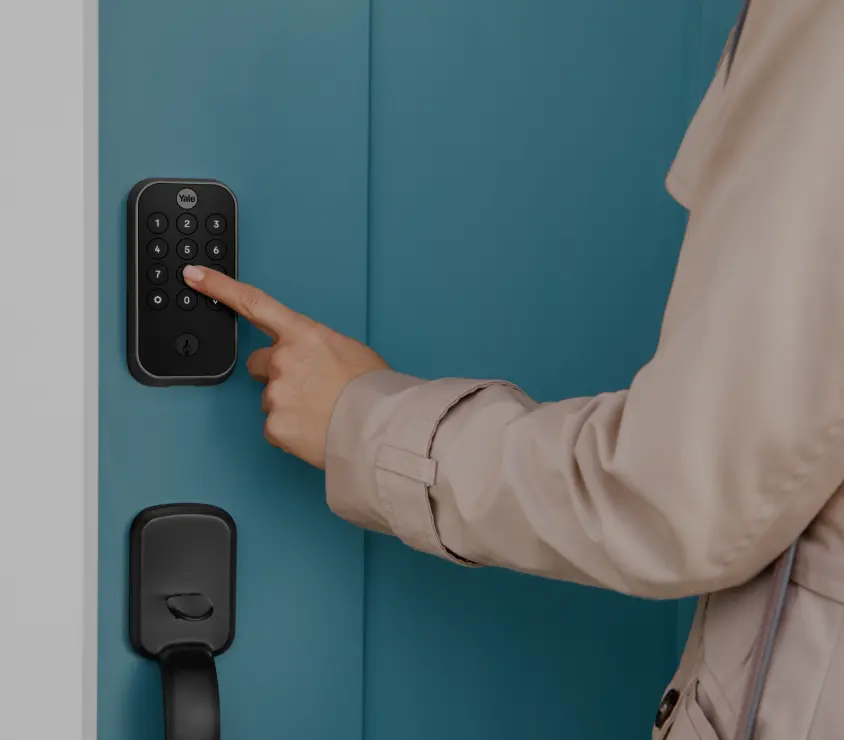
At the core, every model gives you three ways in: a 4-to-8-digit passcode on the keypad, remote access through the Yale Access app, and a standard key as backup. Want to skip codes and keys altogether? The Touch model adds a fingerprint reader that’s been shown to recognize different family members’ prints in under half a second — useful when your hands are full and patience is not.
Behind the scenes, the lock is doing more than just opening and closing. It tracks real-time status, sends a notification every time it’s used, and lets you control exactly who can get in and when, all from the app on your phone. And because nobody wants a smart lock that locks them out over a dead battery, it comes with two-step verification, auto-locking, and battery backup built in.
It also plays nicely with whatever smart home setup you’ve already got going, with support for Alexa, Google Home, SmartThings, and Apple HomeKit.
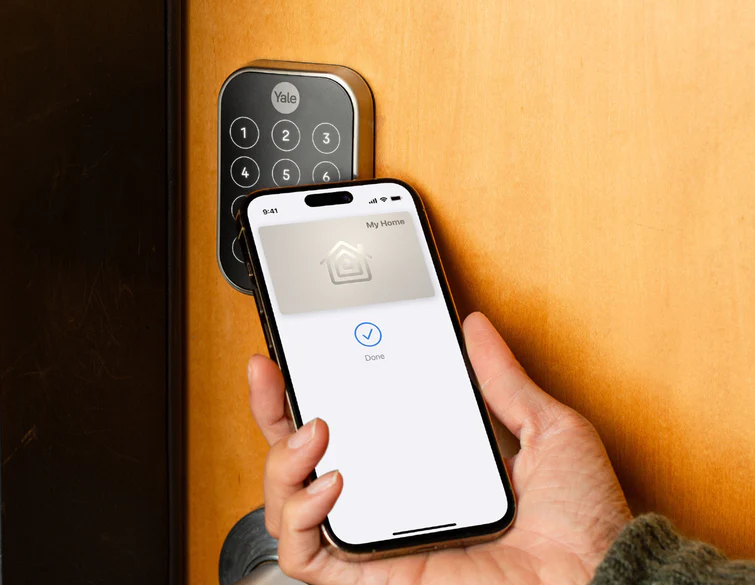
One thing worth knowing before you pick a model: the features aren’t identical across the board. The Touch model gets you the fingerprint reader and a physical backup key, while the Plus model adds Apple Home Key support but drops the fingerprint sensor. Worth deciding which trade-off matters more to you before you check out.
Lifestyle-Led Security (Features That Adapt to You)
Home security isn’t one-size-fits-all—it shifts with daily routines, household dynamics, and how people naturally move in and out of their homes. Yale is designed around that flexibility, offering multiple access methods that can be used interchangeably depending on the moment, not the product.
Rather than committing to a single way of entry, homeowners can choose how they interact with their door each day—sometimes even multiple times in the same household—creating a system that adapts to life rather than defining it.
Keypad entry offers a simple, physical touchpoint for everyday access without needing keys. Smartphone control extends that experience remotely, allowing doors to be locked or unlocked from anywhere while providing visibility into who is coming and going. For households with multiple people, personalized entry codes help manage access cleanly and individually, making it easy to accommodate family members, guests, or service providers without sharing a single credential. In moments where speed matters, fingerprint access removes all friction entirely, enabling instant entry with a single touch when hands are full or time is limited.
What makes the system powerful is not any single method, but the ability to combine them. Yale allows different access types to coexist within the same home, so security can flex around routines, preferences, and changing needs over time.
The result is a unified system that adjusts to how people actually live—fluid, multi-layered, and responsive to everyday life.
More Than a Lock
Yale Home integrates into a broader smart-home ecosystem, allowing the front door to function as part of a connected network rather than a standalone device. Instead of operating in isolation, it can work alongside lighting, cameras, and other smart-home systems to create a more unified home experience.
This integration allows access events to connect with other parts of the home—supporting routines like arriving home to unlocked doors, activated lights, or security systems that respond in sync. The front door becomes one part of a larger system that communicates across devices rather than operating independently.
By fitting into existing smart-home platforms, Yale Home helps turn the home into a coordinated environment where security, access, and daily routines work together seamlessly.
Final Thoughts
The smart-home space is full of newer brands promising convenience and innovation. But when it comes to home security, many homeowners are less interested in experimenting and more interested in trusting what already works.
That’s where Yale Home stands apart.
Rather than choosing between legacy and technology, homeowners get both. Yale takes the security people have trusted for generations and upgrades it with the tools modern life actually needs.
The result feels less like adopting something new and more like improving something already dependable.
Because moving forward is easier when it still feels familiar.