

In today’s digital age, screens have become a constant presence in our lives. From the moment kids wake up to the time they go to bed, tablets, phones, and televisions compete for their attention. While technology offers convenience and learning opportunities, too much screen time can hinder essential childhood development, especially when it replaces one of the most powerful tools kids have: imaginative play.
Tiny Land, a brand known for its thoughtfully designed wooden toys and Montessori-inspired playsets, is championing a return to the roots of childhood play. Their beautifully crafted, sustainable toys provide children with open-ended, screen-free experiences that nurture creativity, independence, and real-world connection.
What Is Montessori-Style Play?
Montessori-style play is based on the educational philosophy developed by Dr. Maria Montessori, which emphasizes child-led learning through hands-on, purposeful activities. Rather than directing play or providing predetermined outcomes, Montessori encourages children to explore, experiment, and discover at their own pace.
This approach values simplicity, natural materials, and real-world skills. Toys and activities are designed to be open-ended and invite repetition, allowing kids to master concepts through practice. The goal is to foster independence, concentration, and a sense of accomplishment, all within an environment that respects the child’s natural curiosity and developmental stages.
Tiny Land’s toys embody this philosophy perfectly. Their wooden kitchens, dollhouses, and balance beams encourage children to use their imagination while building practical skills. By offering tools that inspire creativity without overwhelming distraction, Montessori-style play supports healthy growth in mind and body.
How Tiny Land Makes Imaginative Play Possible
Experts agree that imaginative play is fundamental for childhood development. It helps children develop critical skills such as problem-solving, emotional intelligence, social interaction, and creativity. Unlike screen-based activities, which often deliver pre-packaged content, imaginative play encourages kids to invent stories, experiment, and express themselves freely.
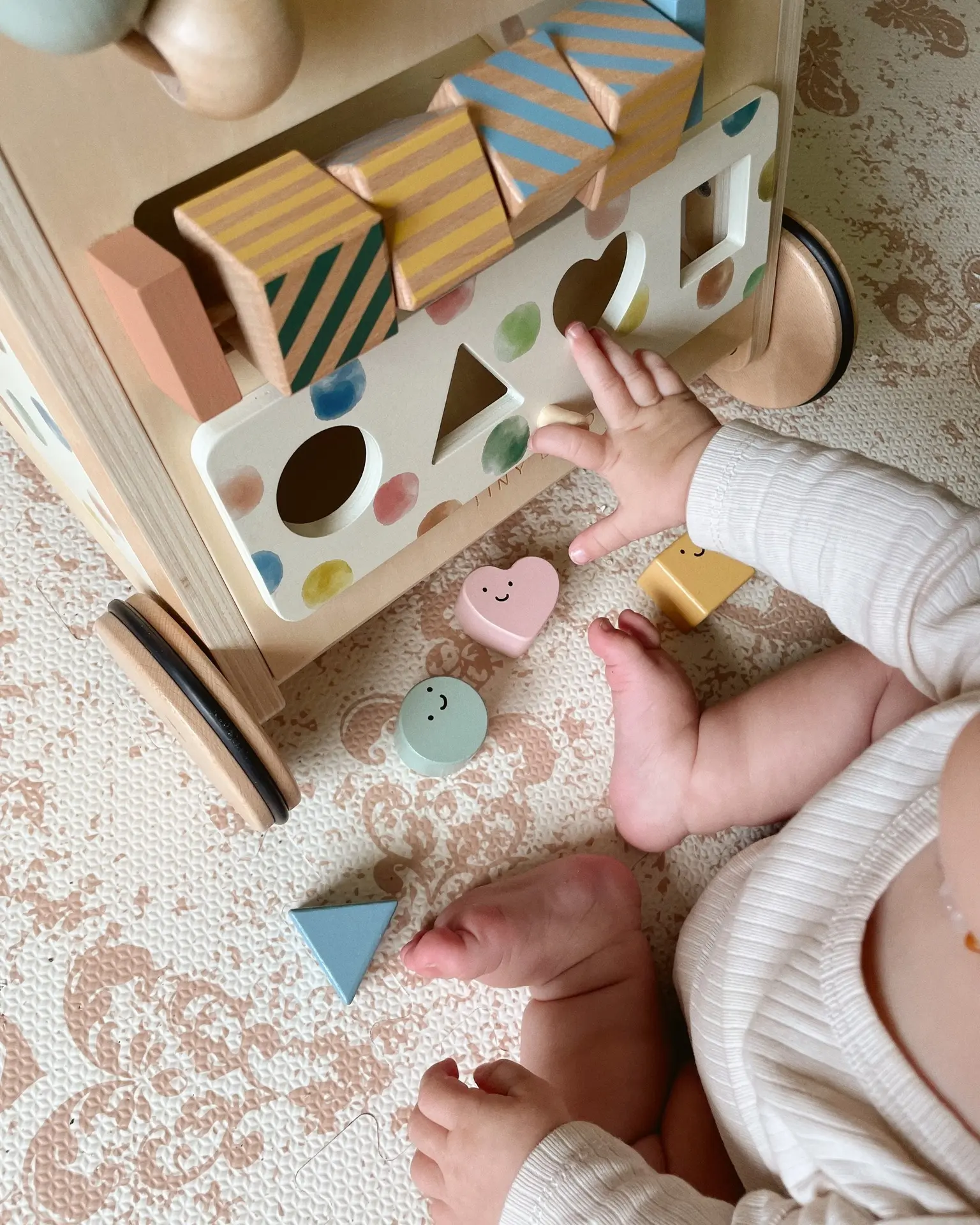
Research shows that children who engage in hands-on, creative play tend to have better focus, increased empathy, and stronger communication skills. Moreover, play that involves physical movement and tactile materials supports fine motor development and sensory awareness.
In contrast, excessive screen time can contribute to shorter attention spans, reduced physical activity, and less meaningful social interaction. This is where Tiny Land offers a breath of fresh air in a digital world.
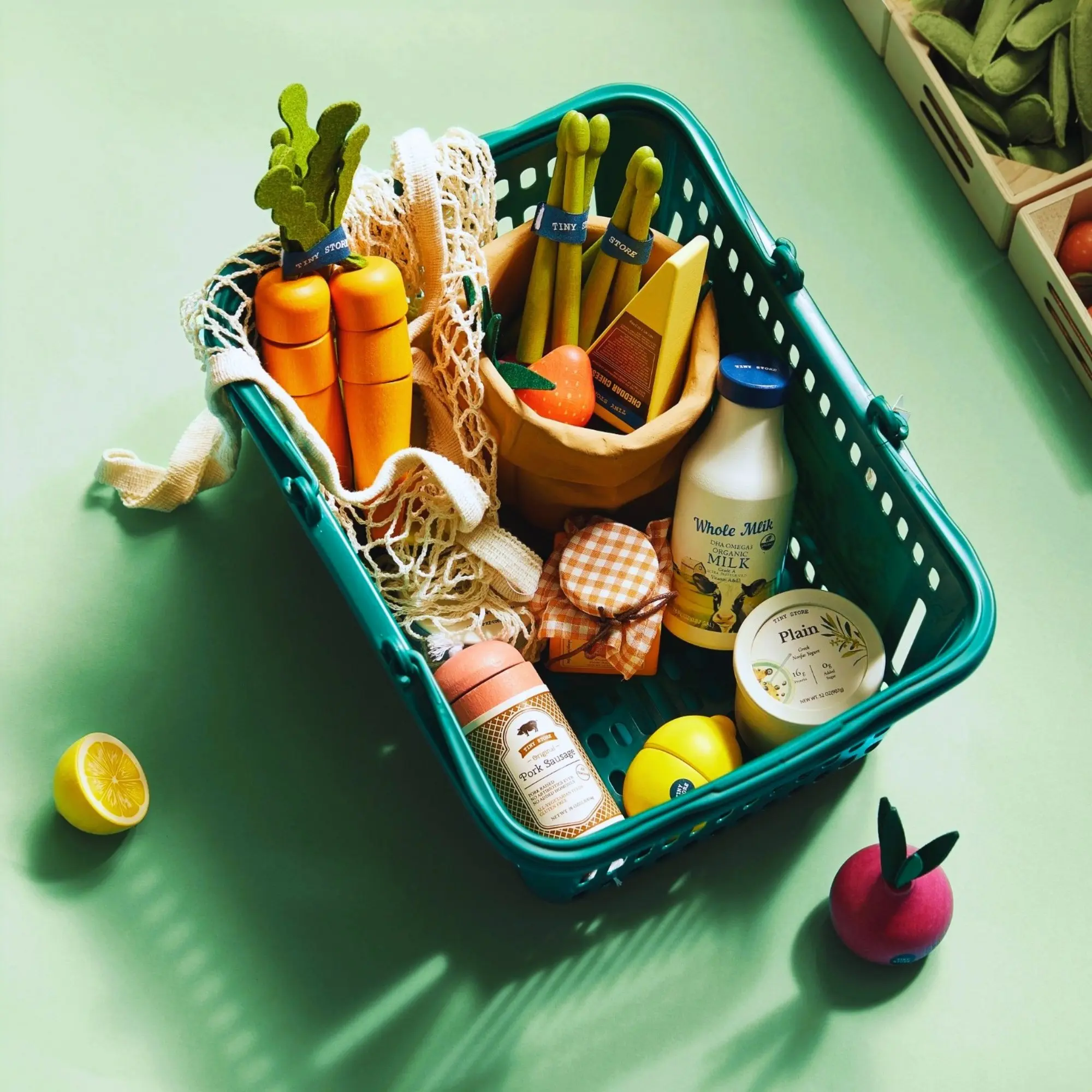
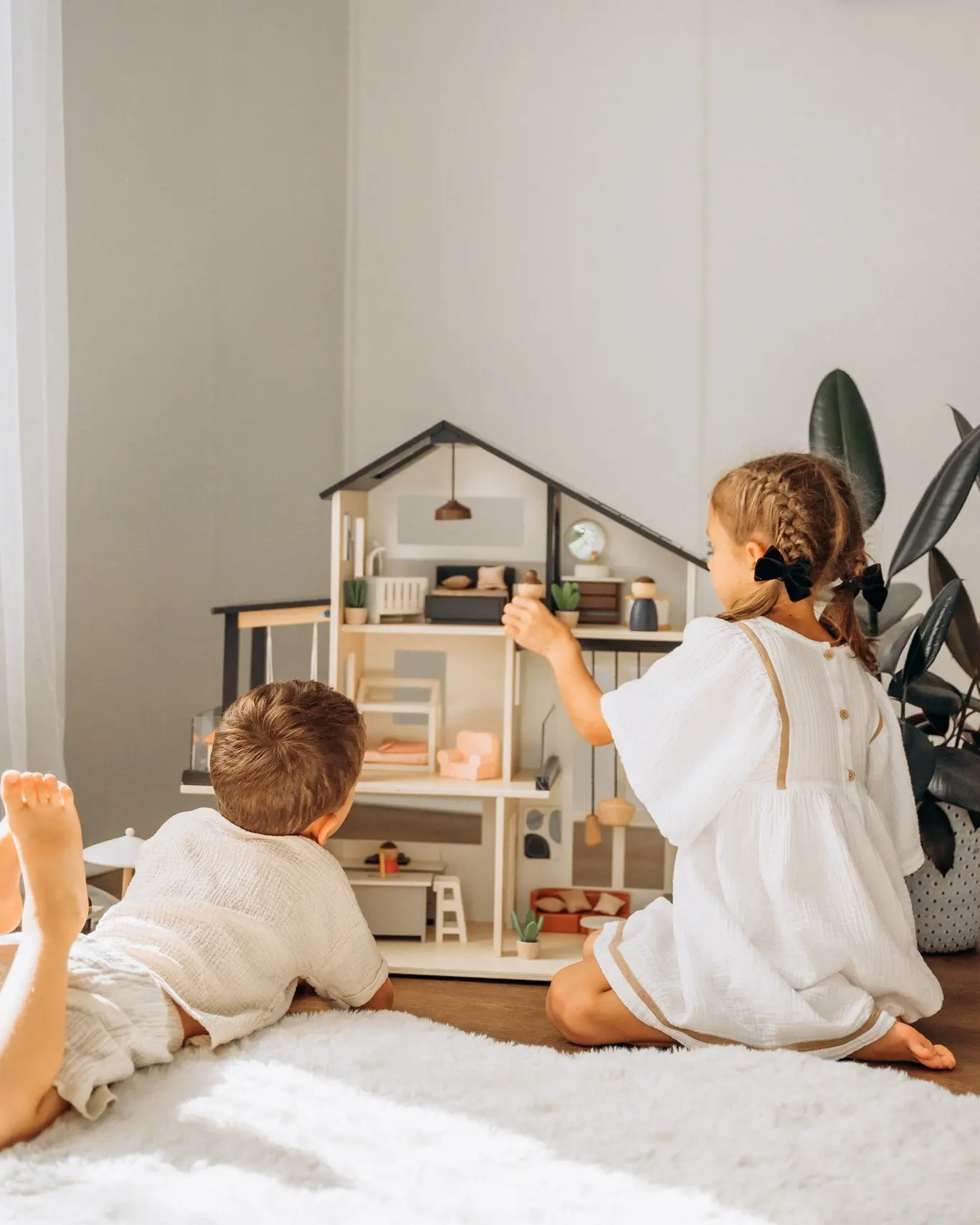
Parents can encourage a variety of imaginative roles and scenarios with Tiny Land’s versatile toys. For example, the wooden Montessori kitchen invites little chefs to play pretend cooking and hosting family dinners, fostering social skills and creativity. The handcrafted dollhouses become settings for storytelling, role-playing family life, or creating fantastical adventures that stretch the imagination. Balance beams and play tunnels offer opportunities for physical play combined with imaginative exploration, children can pretend they’re navigating obstacle courses, exploring caves, or balancing on tightropes in a circus. Each product encourages children to invent their own narratives and develop problem-solving skills in a tactile, engaging way.

Bringing It All Together
For parents seeking to reduce screen time and create meaningful bonding moments with their children, Tiny Land offers an ideal solution. Their thoughtfully designed, Montessori-inspired toys not only spark creativity and imaginative play but also blend beautifully into any home aesthetic without clashing with your style. Choosing Tiny Land means choosing quality, open-ended play experiences that nurture your child’s growth while fostering deeper connections, the perfect way to unplug, slow down, and enjoy childhood together.