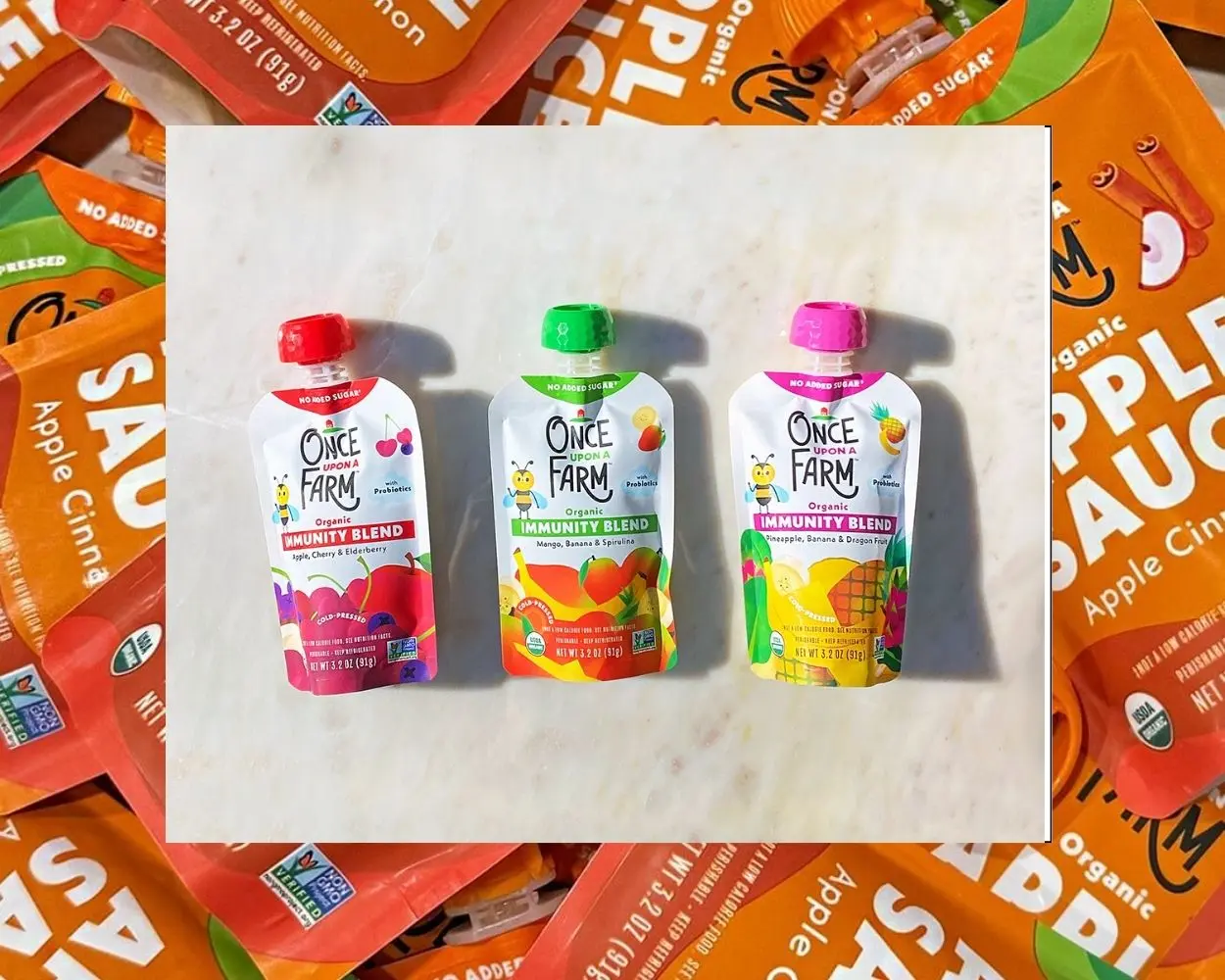

When it comes to feeding the youngest members of our families, most parents want something more than convenience. They want ingredients they recognize, flavors that feel fresh, and products made with care. Once Upon a Farm has built its reputation on exactly that: real farm-inspired food made for babies, toddlers, and young kids with organic fruits, vegetables, and purposeful blends that families can trust. Founded in 2015, this brand has grown rapidly from a niche baby food maker to a wide-reaching presence in stores and homes across the United States, reflecting a broader shift in how conscientious parents think about what goes into their children’s meals.
At its core, Once Upon a Farm combines cold-pressed technology with thoughtfully sourced ingredients to preserve flavor and natural food qualities that heat-treated alternatives often lose. This approach lets little ones explore tastes and textures that feel familiar and nourishing, while also offering parents peace of mind in knowing what they serve is clean, transparent, and crafted with intention.
A Farm-Fresh Approach That Stands Apart
Once Upon a Farm distinguishes itself by focusing on food that feels closer to what a family might prepare at home, rather than overly processed options that prioritize shelf life over nutrient retention. The cold pressure process—which uses high pressure instead of heat—locks in nutrients and flavors from whole fruits and vegetables without added sugars or artificial ingredients, allowing taste and texture to shine through.
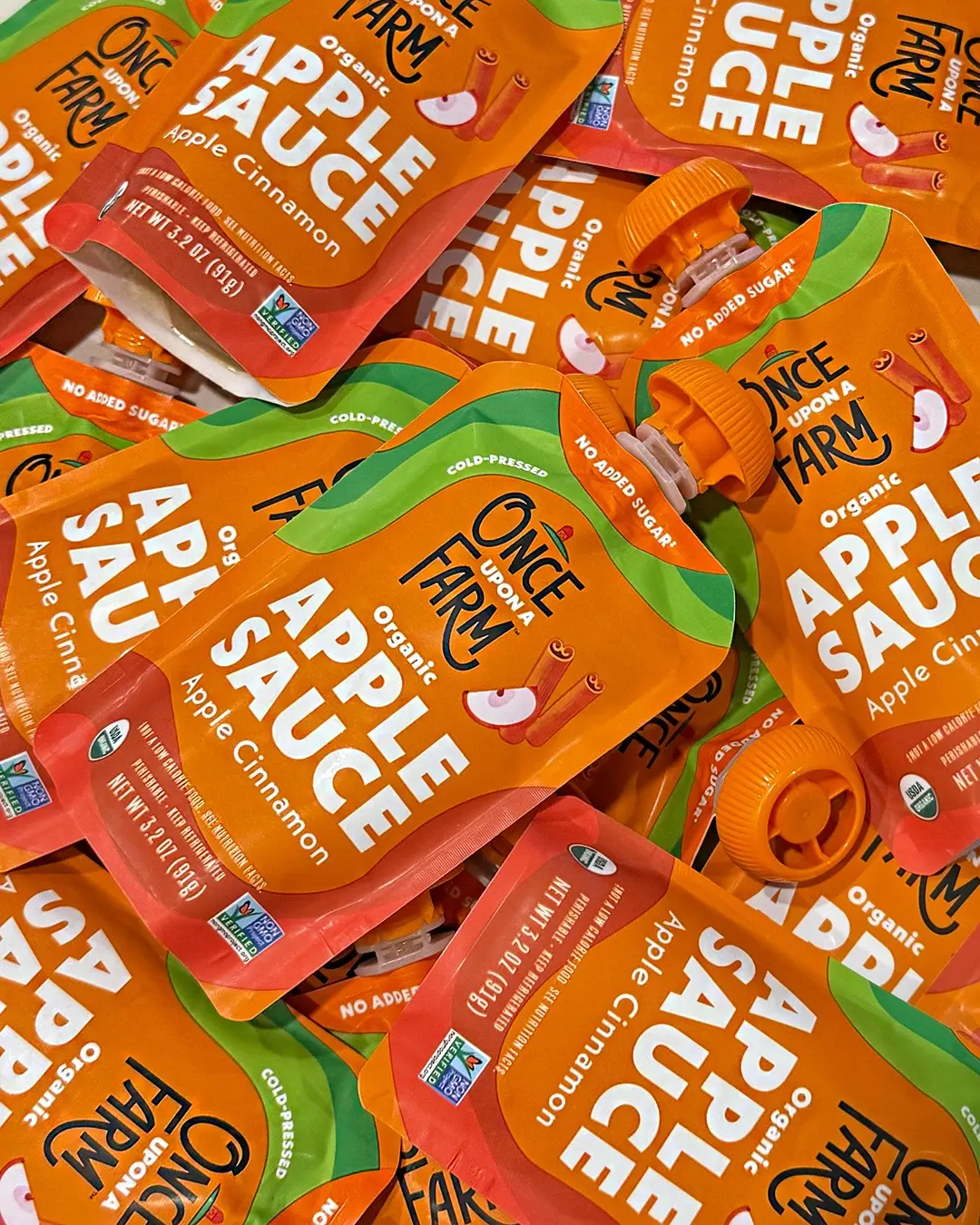
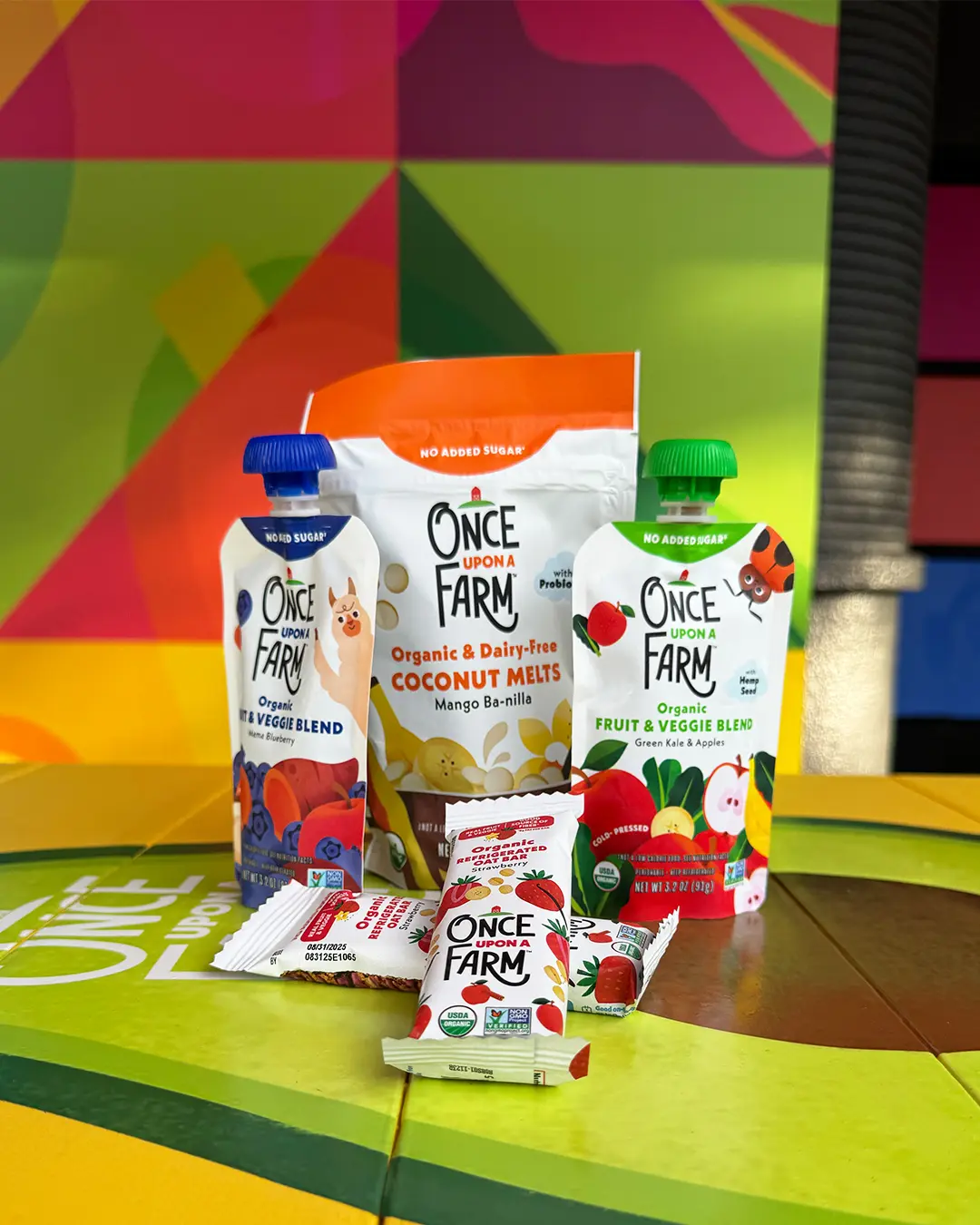
In contrast to shelf-stable baby foods that sit on a grocery shelf for months, this brand’s blends must be refrigerated or frozen because they are made with fresher components that offer more natural character and depth. That means every pouch or meal delivers vibrant colors and real fruit and veggie flavor that kids can enjoy as part of everyday meals and snacks.
This emphasis on quality ingredients extends beyond baby food. Once Upon a Farm expanded into toddler-friendly snacks and meals precisely because busy families juggle work, school, caregivers, and errands. Parents want food options that feel genuine and that kids will actually eat—and that’s where these products find their purpose.
Why Moms and Dads are Choosing Once Upon a Farm
Parents today are more informed than ever before about how food affects their children’s development and everyday energy. They read labels, research sources, and prioritize products with transparent ingredient lists. This heightened awareness aligns perfectly with the philosophy behind Once Upon a Farm’s portfolio. Because each product is certified organic, non-GMO, and free from artificial colors or preservatives, many families feel confident offering these foods as everyday options rather than occasional treats.
Additionally, the brand’s recognition by the Clean Label Project, including purity awards for its commitment to pesticide-free produce and minimal processing, reassures parents who want standards that go beyond marketing claims.
Another reason families gravitate toward these products is the range of textures and formats. Some toddlers love refrigerated pouches they can hold and squeeze themselves. Others enjoy frozen meals that serve as grab-and-go lunchbox options. Still more are partial to oat bars or snacks designed with little hands in mind. This variety makes it easier for parents to find options that fit their routines and preferences.
Ingredients That Grow Taste and Curiosity
One hallmark of Once Upon a Farm’s mission is that food should inspire curiosity and joy. The brand’s blends combine fruits like apple and mango with vegetables such as kale and sweet potato in ways that respect natural sweetness while broadening young palates. By introducing combinations early, children may be more open to exploring new tastes and textures over time.
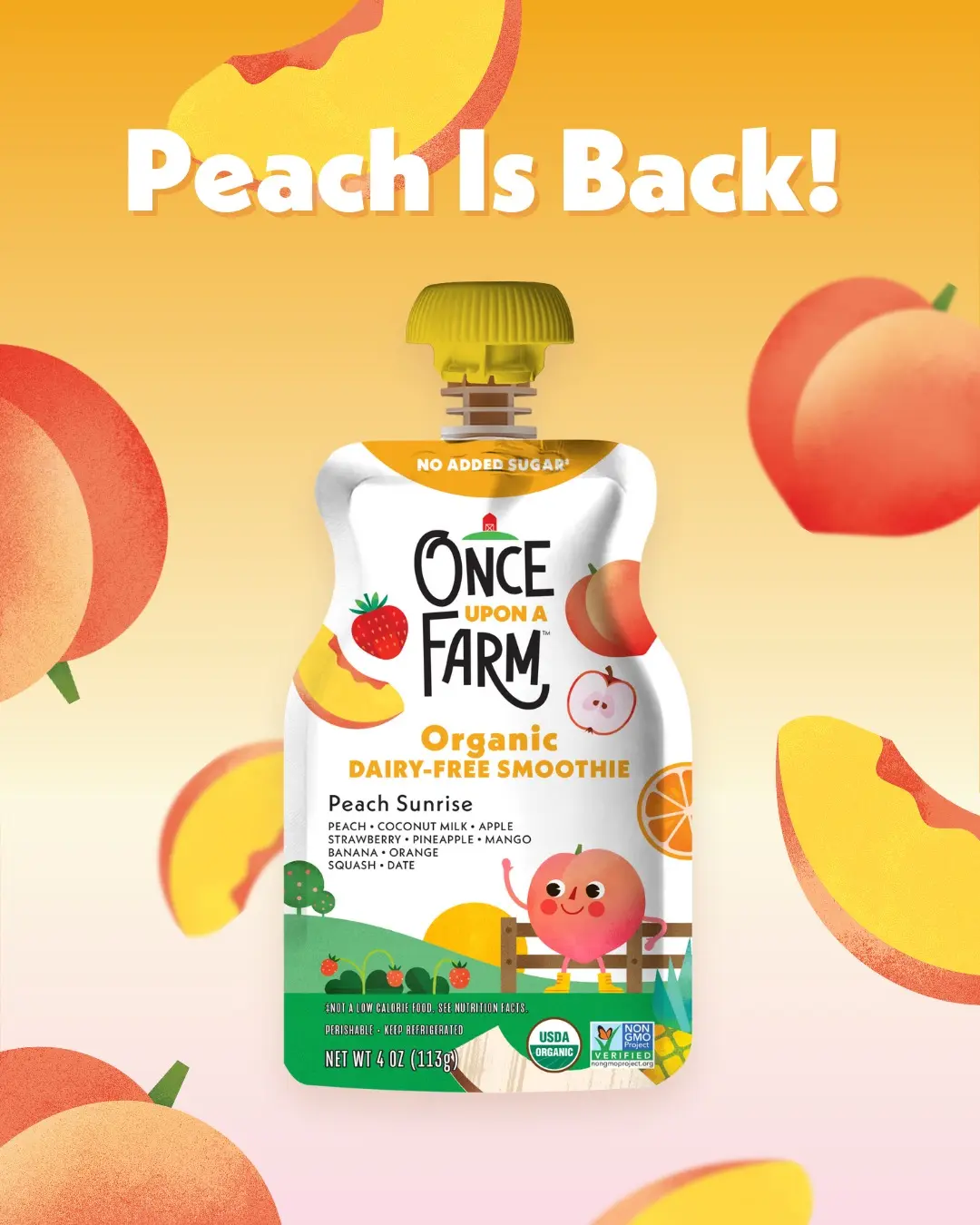
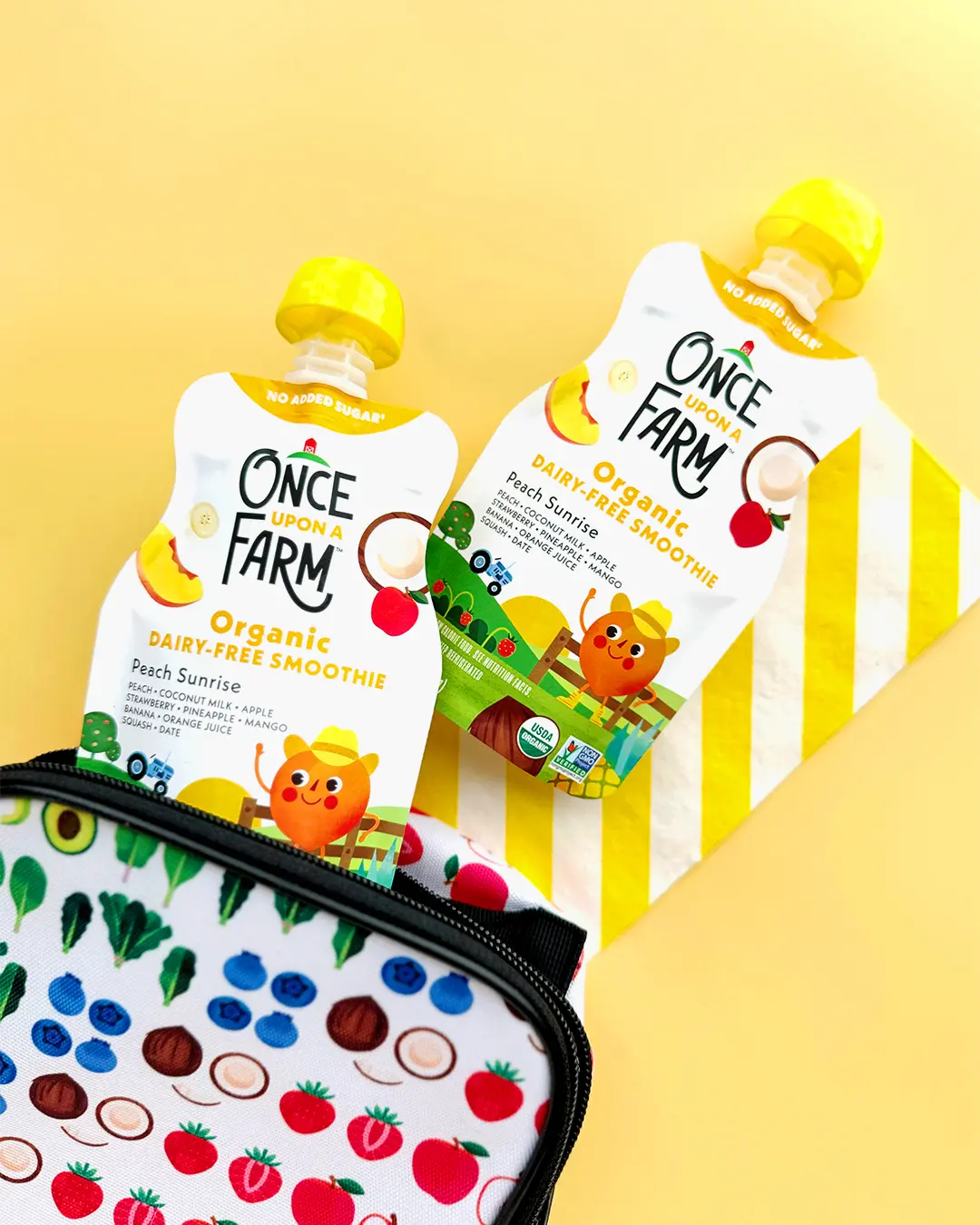
Unlike many traditional baby food products that are pureed down to simple single-ingredient servings, these blends can encourage a deeper appreciation for whole foods. For parents navigating early feeding stages like spoon-feeding or baby-led weaning, products that balance nutrition with ease of use can make mealtime a little less stressful and more enjoyable.
Growing With Families Over Time
Another strength of Once Upon a Farm lies in the way its product lineup evolves with the needs of children. Babies may begin with simple fruit and veggie blends. As toddlers grow, they can transition into more complex snacks like oat bars or smoothies with added grains and proteins. These options provide a way to maintain flavor variety while meeting evolving appetite levels and nutritional needs.
For busy parents who juggle errands, work commitments, playdates, and mealtime prep, products that feel wholesome and familiar help make every day smoother. These offerings also make packing lunches or planning snacks simpler, because they feel like intentional choices rather than quick fixes.
The Impact of a Brand With Purpose
The story behind Once Upon a Farm extends beyond sales and shelf space. As the brand has grown, it has embraced initiatives aimed at broader social impact. For example, its partnership with organizations working to expand access to nutritious meals highlights a commitment to communities where food insecurity remains a real challenge. Efforts like these reflect a desire to influence the food landscape in positive, long-lasting ways.
In addition, the company’s growth and innovations have drawn attention from the investment world. In recent years, Once Upon a Farm confidentially filed for plans to go public on the stock market, signaling confidence in its trajectory and expanding influence.
Spotlight: Apple, Banana, Spinach & Avocado Blend
One of the top sellers from Once Upon a Farm is the Apple, Banana, Spinach & Avocado Blend. This refrigerated pouch blends sweet fruit with nutrient-dense greens. As a result, it appeals to both parents and little ones.
Apple and banana create natural sweetness. Meanwhile, spinach and avocado add creaminess and depth. Therefore, vegetables feel approachable instead of overwhelming. This balance makes it a favorite for early eaters.
Unlike shelf-stable baby food, this pouch is cold-pressed. That means high pressure is used instead of heat. Because of this process, flavor and texture stay closer to whole produce. Consequently, each bite tastes fresh and vibrant. Parents also appreciate what is not included. There are no added sugars. There are no artificial preservatives. Additionally, every ingredient is USDA Organic.
The format is practical. The squeeze pouch is easy to pack and simple to serve. Furthermore, the resealable cap helps reduce spills. Babies can enjoy it with assistance. Toddlers can hold it on their own.
Here is a quick overview:
| Feature | Details |
|---|---|
| Product Name | Apple, Banana, Spinach & Avocado Blend |
| Processing | Cold-Pressed |
| Certification | USDA Organic |
| Added Sugar | None |
| Artificial Ingredients | None |
| Ideal For | Babies and Toddlers |
| Why It’s Popular | Balanced flavor and easy veggie exposure |
Overall, this pouch works because it combines taste, simplicity, and real ingredients. It introduces greens in a gentle way. At the same time, it fits easily into busy family routines.
Why Once Upon a Farm Resonates With Families
What makes Once Upon a Farm more than just another kids’ food brand is its underlying philosophy: food should feel like a story worth telling. Each product reflects thoughtful ingredient choices, farm-inspired flavors, and a belief that little ones deserve real nourishment every day.
By offering foods that grow with kids and fit into hectic schedules, the brand positions itself as a partner for families — one that helps make everyday moments feel nourishing, joyful, and grounded in quality. In doing so, it changes the way parents think about what they choose to feed their children — not just occasionally, but as part of normal everyday life