
Just as fabric changes how a garment moves, light changes how a space lives. It sharpens focus, softens edges, and subtly alters how we see ourselves within our surroundings. For women who curate their environments with intention, lighting has become one of the most understated yet influential tools in daily life.
Designing With Intention
Lighting is one of the few design elements that directly influences how a space feels to live in. It affects posture, pace, and presence — whether a room invites focus or encourages pause. Brands like Visual Comfort & Co. approach lighting with this sensitivity in mind, treating it as an integral part of how a space functions rather than a finishing touch. Thoughtful lighting choices allow environments to adapt throughout the day, supporting moments of productivity, reflection, and rest. In this way, light becomes a functional layer of design that works in service of the person moving through it.
Light as a Wellness Tool
Beyond ambiance, light affects us on a biological level:
- Better Sleep: Exposure to bright light in the morning can help signal your body when it’s time to be awake and when it’s time to rest — a huge help if your mind races at night.
- Mood Support: For women who feel the seasonal slump or extra stress in winter months, intentional light exposure can reduce feelings of low mood and help balance neurotransmitters that govern happiness and calm.
- Hormonal Balance: Light influences hormones like melatonin and serotonin, which can help lessen fatigue and irritability, especially around menstruation or perimenopause.
The nuance here? Light isn’t a magic cure, but thoughtful light habits can be a quiet backbone to everyday wellbeing.
Light That Empowers Your Everyday
The way we see ourselves is rarely neutral — it’s shaped by environment as much as mindset. Lighting plays a powerful role in that relationship. Harsh overheads can exaggerate shadows and flatten features, while overly dim light distorts color and texture. Flattering, well-placed light creates balance, allowing faces and spaces to appear as they naturally are.
For women, this matters beyond aesthetics. Getting ready in thoughtful lighting can subtly shift self-perception, replacing self-critique with ease. It supports daily rituals — skincare, makeup, getting dressed — not by masking imperfections, but by creating clarity and softness where it’s needed. The result isn’t just a better mirror reflection, but a steadier sense of confidence carried into the day.
Spaces That Support Your Week
As work and home continue to overlap, lighting has become an essential boundary-setting tool. The right light can signal focus just as clearly as a commute once did. Bright, intentional illumination in a workspace encourages alertness and structure, helping the mind transition into work mode — even within shared or multifunctional rooms.
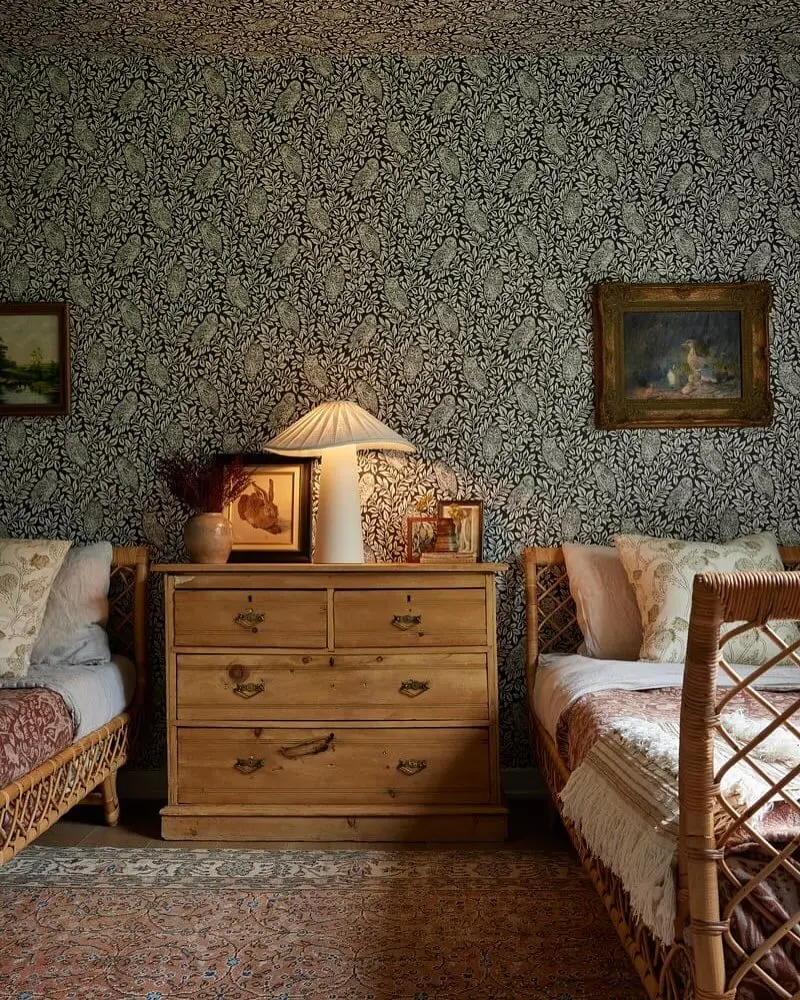
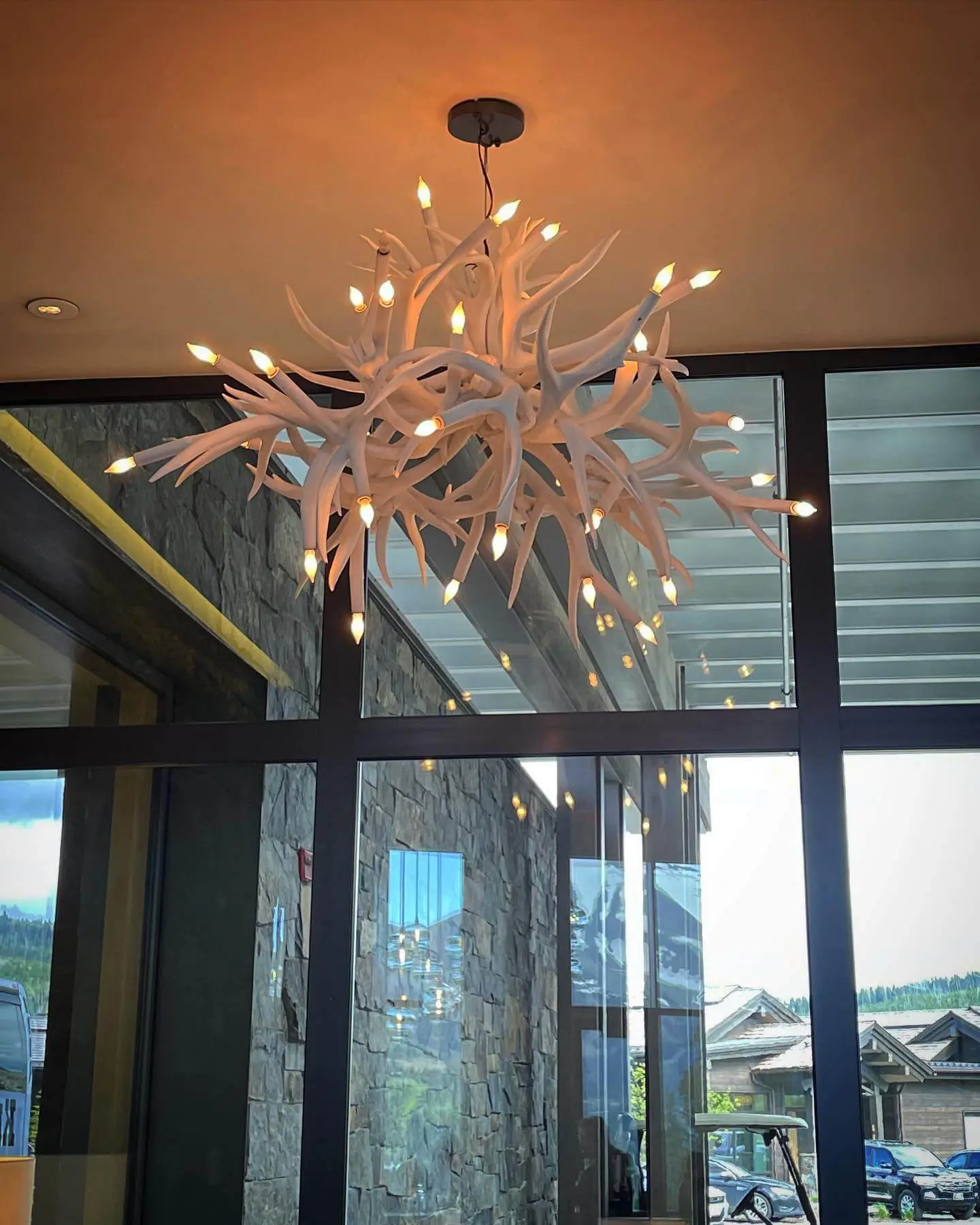
For women balancing professional demands, creative projects, and personal responsibilities, lighting can help differentiate moments of output from moments of rest. A dedicated light source becomes a visual cue: this is where concentration happens. When the light changes, so does the pace, allowing work to end more cleanly and personal time to begin with intention.
Storytelling With Light
Light defines how a space is felt, not just how it looks. It adds depth, directs movement, and establishes emotional tone. Layered lighting — ambient, task, and accent — creates dimension, allowing rooms to shift seamlessly from practical to personal. A softly lit living room invites conversation; a brighter kitchen supports energy and connection.
For women who curate their homes as reflections of their lives, lighting becomes a form of storytelling. It highlights what matters, softens what doesn’t, and gives each room a sense of purpose. More than décor, light acts as a narrative thread, shaping how daily life unfolds within the space.
How Lightopia Shapes Spaces Women Live In
Thoughtful lighting can transform how we move through our homes, and Lightopia makes that possible without ever feeling flashy. Their curated selection of fixtures balances form and function — pieces that illuminate rooms while supporting the way a space feels. From bright, focused light that sharpens attention in a home office to softer, warmer tones that encourage pause and reflection, their designs allow women to shape environments that move with them, rather than against them.
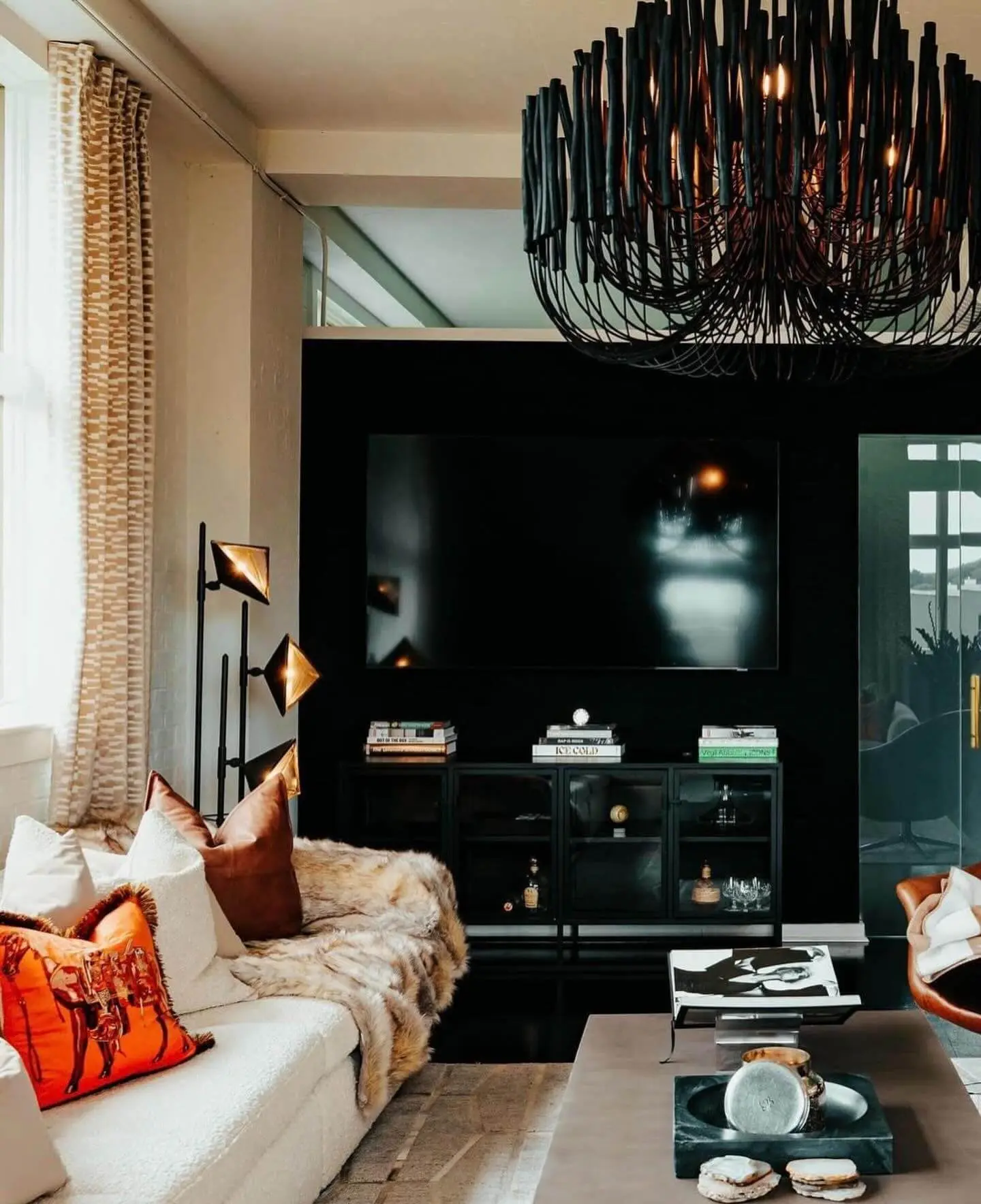
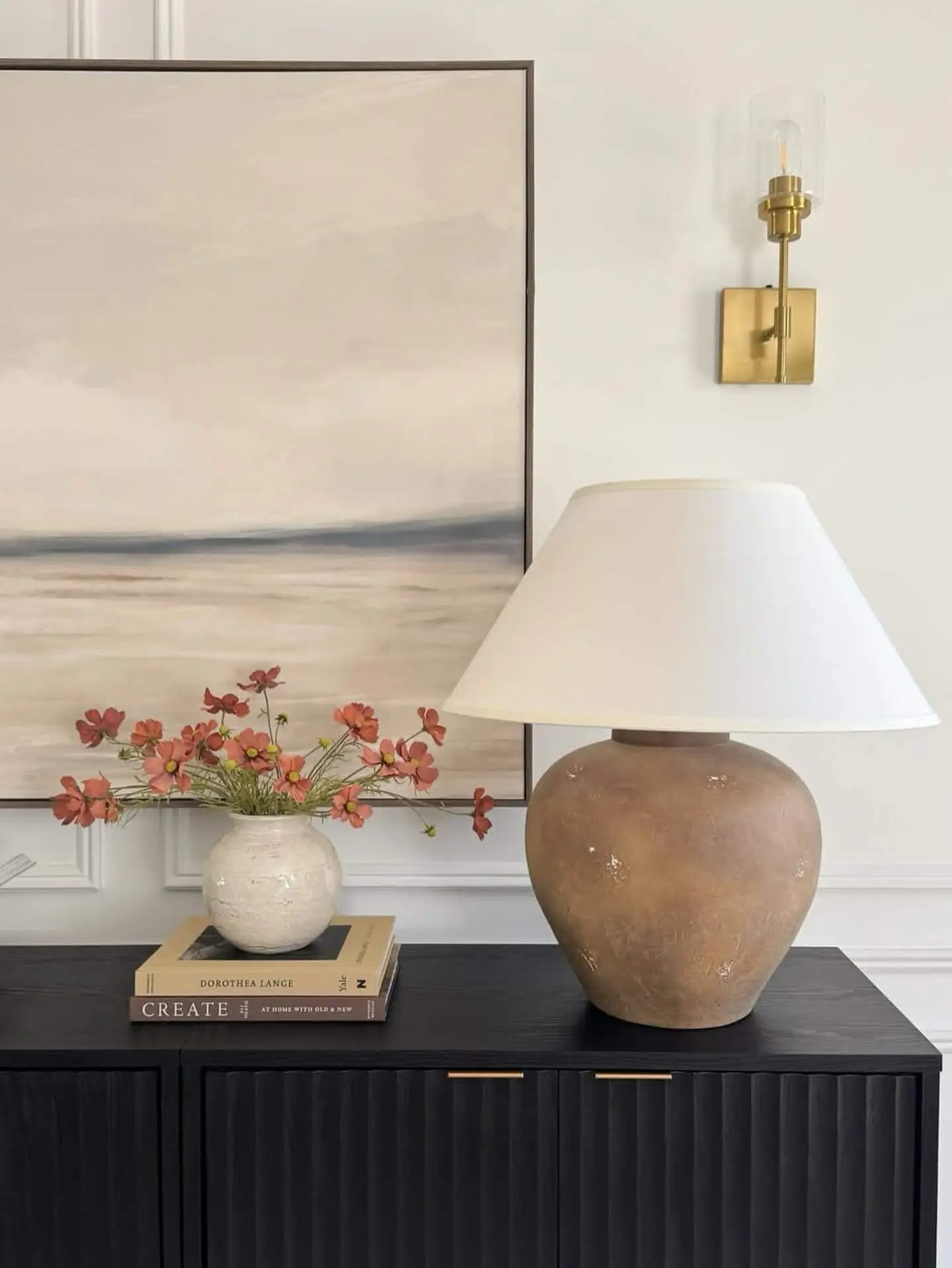
It’s not just about brightness or style; it’s about nuance. Lightopia’s range emphasizes materials, scale, and placement, giving spaces layers of depth and mood. A bathroom or dressing area, for example, can be transformed from routine to ritual: flattering, intentional light supports confidence in the mirror, while subtle shifts in temperature and intensity encourage focus, calm, or creativity depending on the moment.
Beyond the fixtures themselves, the brand emphasizes guidance and thoughtful selection, making it easier to translate the principles of lighting into lived experience. This approach aligns with the broader idea that light isn’t merely decoration — it’s a tool for emotional rhythm, confidence, and presence. For women designing homes that serve multiple roles — work, rest, play, and self-care — Lightopia provides a framework for spaces that feel purposeful, empowering, and fully alive.
Beyond the fixtures themselves, Lightopia places emphasis on guidance and considered selection, helping translate lighting principles into real, lived environments. This perspective aligns with a broader understanding of light as more than decoration — it’s a tool for emotional rhythm, presence, and self-perception. For women designing homes that must hold multiple roles — work, rest, creativity, and self-care — this approach offers a framework for spaces that feel responsive rather than rigid, purposeful rather than styled, and fully alive to the way life is actually lived.
Why Thoughtful Lighting Matters
Lighting isn’t just functional; it shapes how we feel, perform, and even perceive ourselves throughout the day. When chosen and placed intentionally, it can elevate confidence, improve focus, support rest, and enhance the overall atmosphere of a home. For women balancing multiple roles — work, creativity, self-care, and social life — these effects go beyond aesthetics: lighting becomes a subtle, yet powerful, tool for wellness and presence. Understanding its benefits can help guide choices that make every space work harder for your life.
| Benefit | How It Helps | Example in Everyday Life |
|---|---|---|
| Boosts Confidence | Flattering light highlights natural features and reduces harsh shadows | A well-lit bathroom or vanity for morning routines |
| Enhances Focus | Bright, cooler tones stimulate alertness and attention | Home office or study corner during work hours |
| Supports Relaxation | Warm, soft light helps calm the nervous system | Bedroom or living room during evenings |
| Improves Mood | Balanced lighting can regulate circadian rhythm and lift spirits | Morning exposure to natural or daylight-mimicking light |
| Defines Spaces | Light can create zones for different activities | Pendant over a kitchen island vs. soft lamp in reading nook |
| Encourages Intentional Living | Light guides behavior and daily rhythm subtly | Adjusting light to signal work vs. personal time |
Lighting That Understands How You Live
Ideal lighting isn’t about brightness levels or trend-driven fixtures — it’s about responsiveness. It shifts with the pace of the day, supporting moments of momentum and moments of pause without demanding attention. The best lighting schemes acknowledge that a home is rarely used in one way at one time; they create environments that can hold focus, softness, and transition all at once.
Rather than relying on a single overhead source, intentional lighting introduces contrast and depth. Directional light defines purpose, ambient light sets emotional tone, and subtle accents shape how a space is experienced. When these layers work together, rooms feel considered rather than decorated — designed to support presence, clarity, and ease. In this way, lighting becomes less about visibility and more about how a space participates in daily life.
Closing Thoughts
Light shapes far more than what we see — it influences how we feel, how we focus, and how we move through our spaces each day. When approached with intention, lighting becomes a quiet form of structure, guiding rhythm, confidence, and emotional balance without ever demanding attention. For modern women navigating layered lives, this subtle influence matters.
Thoughtful lighting supports daily rituals, defines boundaries between work and rest, and allows spaces to adapt as needs shift. It turns homes into environments that feel responsive rather than static — places that reflect not just personal style, but lived experience. In recognizing the role light plays in everyday life, we begin to see it not as an afterthought, but as an essential element of how we design spaces that truly work for us.