
The average professional woman sits for 10 hours a day and exercises for 45 minutes. Doing the math on that ratio should end the debate about which piece of equipment deserves more of your money.
We keep hearing that a $180 monthly gym membership is the foundation of a healthy life. It isn’t. The chair holding your spine for 50+ hours a week is doing more to shape your body — for better or worse — than three SoulCycle classes ever could.
The Lie That an Hour of Exercise Undoes a Day of Sitting
The fitness industry has sold us a tidy story: work hard, sweat, and you’ve paid your dues. The research says otherwise. A 2016 study published in The Lancet found it takes 60–75 minutes of moderate physical activity per day to counteract the health risks of prolonged sitting. Most women aren’t hitting that. Most trainers aren’t either.
Sitting for extended stretches slows metabolic rate, tightens hip flexors, weakens glutes, and compresses the lumbar spine. None of that reverses because you did a Barry’s class at 6 a.m. The damage compounds during the eight hours you spend hunched over Slack.
The gym isn’t the problem. The idea that it’s enough — that’s the problem.
Your Chair Is Not Neutral — Here’s What to Look For
A bad chair actively works against you. A good one participates in your health the way a supportive shoe does. The new generation of ergonomic seating is built around the idea that the body was never meant to stay still, even in “correct” posture.
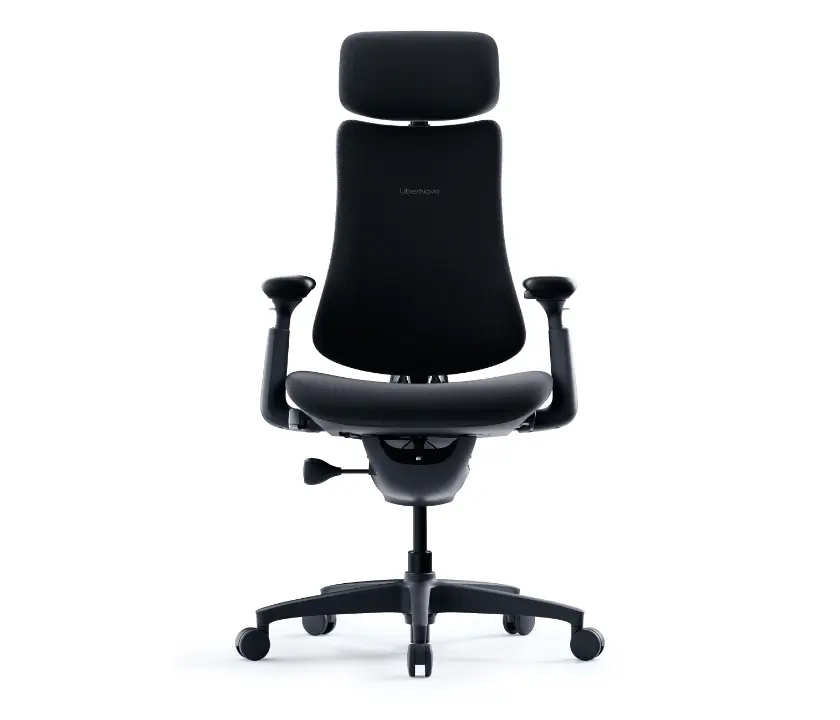
The LiberNovo Omni Dynamic Ergonomic Chair is a good example — its dynamic support system adjusts to micro-movements in the spine and pelvis instead of locking you into one shape. Think of it as a wellness investment in the same category as a standing desk or blue-light glasses, not office furniture.
What to look for in any chair:
- Lumbar support that moves with you, not a static bump
- A seat pan that adjusts in depth, not just height
- Armrests that support the elbow at 90 degrees without shrugging
- Materials that breathe (mesh over foam for long days)
The Myth That Posture Is About Willpower

Photo by Christina Morillo on Pexels
We’ve all been told to “sit up straight.” It’s useless advice. Good posture isn’t a matter of discipline — it’s a matter of what’s underneath you.
The muscles that hold the spine upright fatigue within 20 minutes. After that, you slump. Not because you’re lazy, but because human bodies weren’t designed to hold static positions for hours. A chair that only supports one “correct” posture forces the body into micro-suffering the moment concentration takes over.
Movement is the answer. Chairs that allow small shifts — pelvic tilt, subtle rotation, weight redistribution — keep circulation active and muscles engaged without you thinking about it.
The Real Cost of Cheaping Out
A decent ergonomic chair runs $600 to $1,500. That sounds steep until you price out one round of physical therapy for lower-back pain: roughly $75–$150 per session, often 8–12 sessions. Add MRIs, chiropractors, or the productivity tax of chronic discomfort, and the math turns fast.
We’ve written before at Peak&Pick about where to spend and where to save on wellness. This is a spend category. Sleep on a good mattress. Sit in a good chair. Everything else is negotiable.
For more of the wellness thinking we stand behind, visit Peak&Pick.