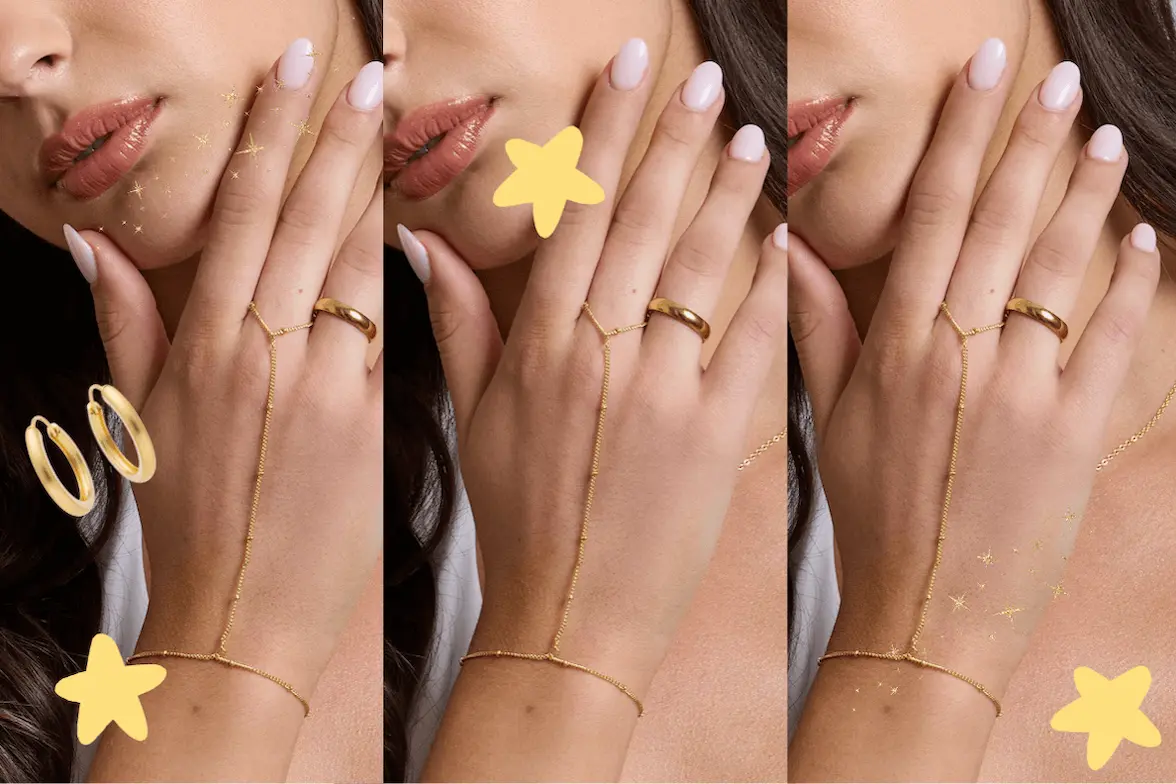

There was a time when jewelry was something you decided on. It belonged to the final step of getting ready, a choice layered on top of an outfit, a mood, a plan. You put it on for a reason. You took it off just as deliberately.
That version of jewelry still exists, but it’s no longer the one most women reach for day to day.
What quietly replaced it is something less performative and more personal. Jewelry that doesn’t require checking the mirror. Jewelry that doesn’t need a moment or an occasion. Jewelry that stays on through workdays, sleep, errands, workouts, travel, stress, and still feels like part of you when everything else is in flux.
This shift didn’t arrive with a trend announcement. It showed up in behavior. In the pieces women stopped taking off.
When Jewelry Stopped Being a Decision
Modern life doesn’t leave much room for choices that don’t earn their place. Between work, relationships, caregiving, and the constant mental choreography of planning ahead, women are always deciding what actually deserves attention.
For a long time, jewelry didn’t.
It lived in a gray area — meaningful, but inconvenient. Too delicate to forget about. Too intentional to feel effortless. Something you added at the end of getting dressed, then carried with you all day. Would it snag? Would it tarnish? Would you remember to take it off later?
That low-level friction accumulated quietly.
What began to replace it wasn’t a trend so much as a behavioral shift. Jewelry designed to disappear into routine rather than compete for attention. Pieces meant to be worn repeatedly, layered intuitively, and trusted to hold up through long days and changing environments. Brands like Mejuri, Ana Luisa, and Missoma helped normalize this expectation — that jewelry could be part of everyday life, not reserved for moments that felt worthy enough.
The appeal wasn’t about minimalism for its own sake. It was about reducing failure points. Choosing pieces that didn’t snag, poke, discolor skin, or feel precious in a way that demanded constant protection.
Over time, the most valuable jewelry became the kind that blended into daily life — worn so often it almost disappeared. Until it didn’t. Until it became clear that these were the pieces women relied on most.
Jewelry as Emotional Shorthand
The irony is that the jewelry women wear most often is also the jewelry that carries the most meaning.
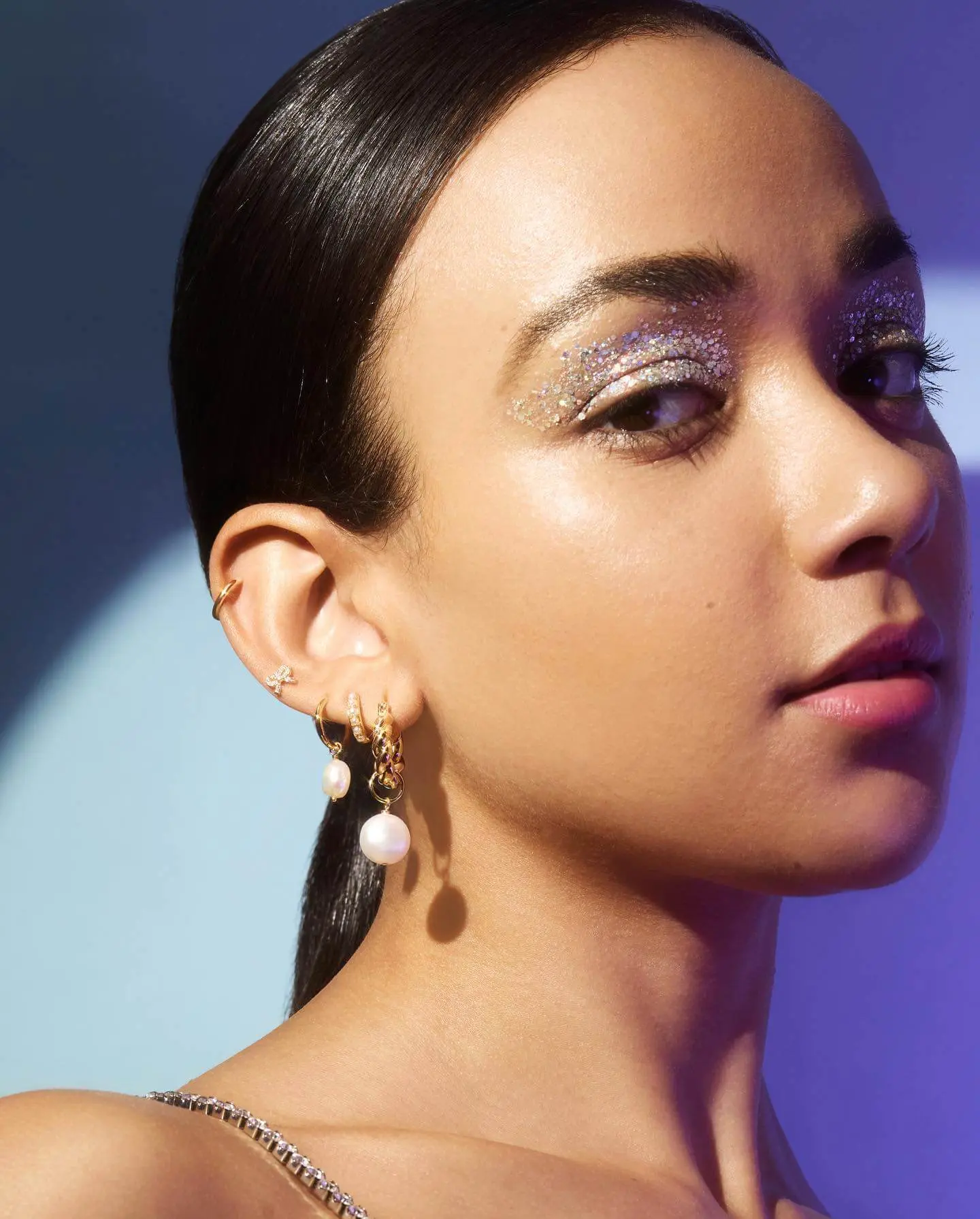
A thin gold chain worn daily. Small hoops that never come out. A carefully chosen ear stack that took intention to build but no effort to maintain. These pieces aren’t loud, but they’re loaded. They signal continuity. Familiarity. A version of self that doesn’t need to be reassembled every morning.
This kind of jewelry functions less like decoration and more like emotional shorthand. It’s a quiet reminder of who you are, even when the day pulls you in a dozen directions.
For many women, that matters more than trend relevance. Especially in moments of transition — new jobs, moves, relationships, phases of identity — when everything else feels temporary.
Why “Special Occasion” Lost Its Hold
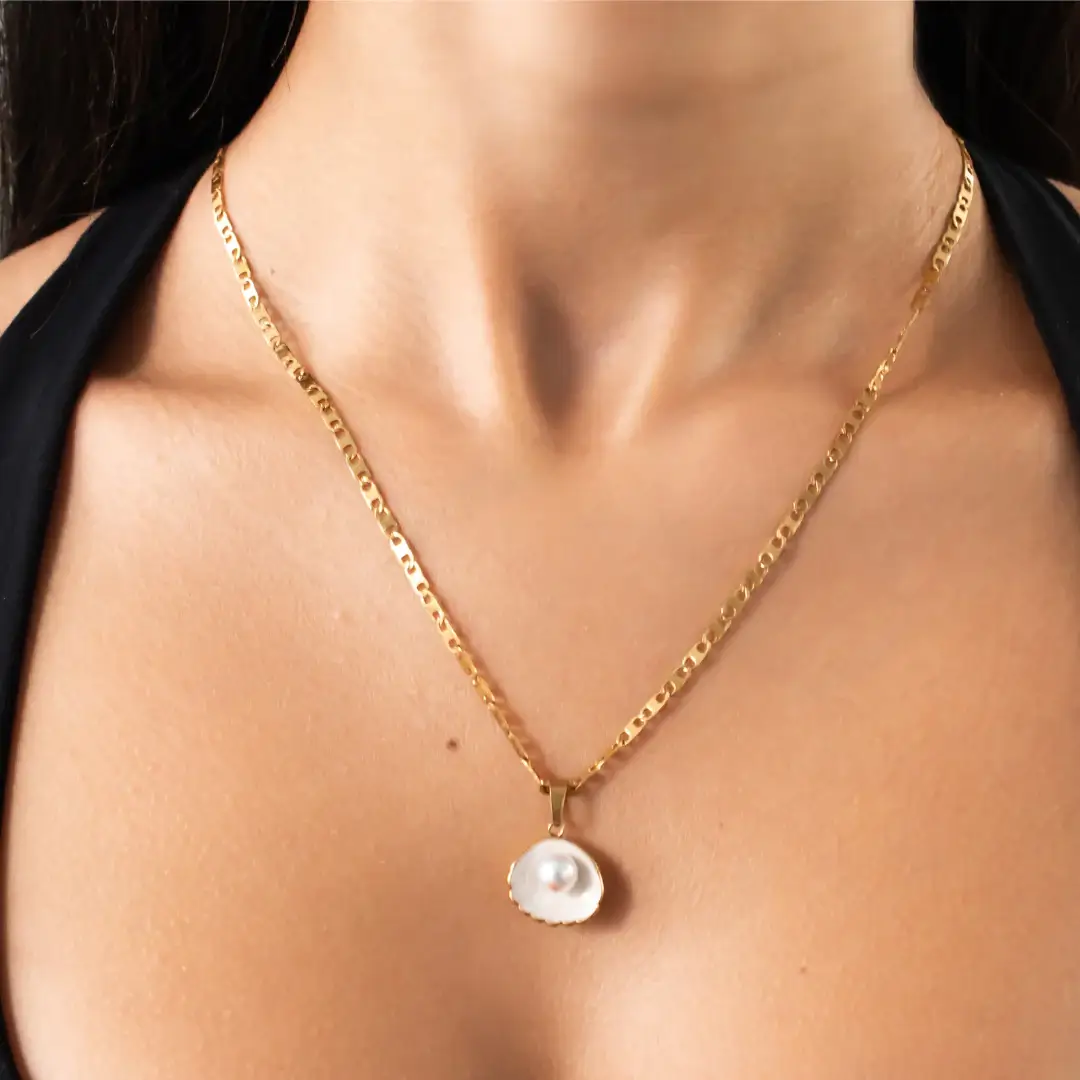
The idea that jewelry should be saved for something special doesn’t hold up against how women actually live.
Life isn’t neatly divided into everyday moments and highlight reels. It’s layered. Unpredictable. Full of small interactions that matter more than big events. Waiting for the right moment to wear something meaningful starts to feel backwards.
Instead, women began folding meaning into the everyday.
That shift reframed value. Jewelry didn’t need to announce itself to be important. It needed to last. To feel good against skin. To survive showers, sleep, rushed mornings, long days, and the occasional forgotten clasp.
Design that prioritized durability, comfort, and wearability became more compelling than pieces that existed primarily to be noticed.
The Quiet Power of Not Taking It Off
There’s something subtly powerful about jewelry you don’t remove.
It’s there when you wake up. There when you forget everything else. There when you’re exhausted, overwhelmed, or unsure. It doesn’t require upkeep or explanation. It just stays.
For women, that permanence carries weight. It creates a sense of control in environments that don’t always offer it. A personal constant that isn’t dictated by dress codes, trends, or expectations.
This is why design choices matter more than raw performance or luxury signaling. Flat-back earrings. Thoughtful closures. Skin-friendly materials. Shapes that work whether you’re dressed up or barely dressed at all.
None of it is flashy. All of it is intentional.
How Piercing Culture Changed the Conversation
Nowhere is this shift more visible than in how women approach piercings.
What was once impulsive or intimidating has become measured and thoughtful. Piercings are planned. Considered. Integrated into a broader sense of personal style rather than treated as rebellion or novelty.
Studios like Studs helped redefine that experience by making it calmer, more transparent, and centered on comfort and care. The emphasis isn’t on shock value. It’s on long-term wearability and trust — how a piercing will feel not just today, but months and years from now.
Read More About Studs and Save Using Our Exclusive Codes
This aligns with the broader jewelry shift: fewer pieces, worn more often, with greater intention.
Everyday Reality, Grounded
To understand why this category evolved the way it did, it helps to look at how jewelry actually shows up in daily life — not in photos, but in use.
| Daily Reality | Traditional Jewelry | Everyday Wear Jewelry |
|---|---|---|
| Morning routine | Requires styling decisions | Already on |
| Comfort over long hours | Often distracting | Largely unnoticed |
| Sleep & shower | Needs removal | Designed to stay |
| Emotional attachment | Occasional | Continuous |
| Mental load | Adds one more task | Removes one |
The appeal isn’t about owning more. It’s about owning pieces that quietly work harder.
What the Ideal Version Looks Like (Without Listing It)
The ideal everyday jewelry doesn’t announce itself. It earns its place through reliability.
It feels neutral but never generic. Personal but not precious. It adapts to changing routines — workdays that turn into evenings out, weekends that blur errands and rest, trips taken with carry-ons and tight schedules.
Most importantly, it feels approachable. You don’t need to “be a jewelry person” to wear it. You just put it on once and let it become part of your baseline.
That’s not an accident. It’s a reflection of how women want products to fit into their lives now.
Brand Spotlight: Evry Jewels as a Reflection of the Shift
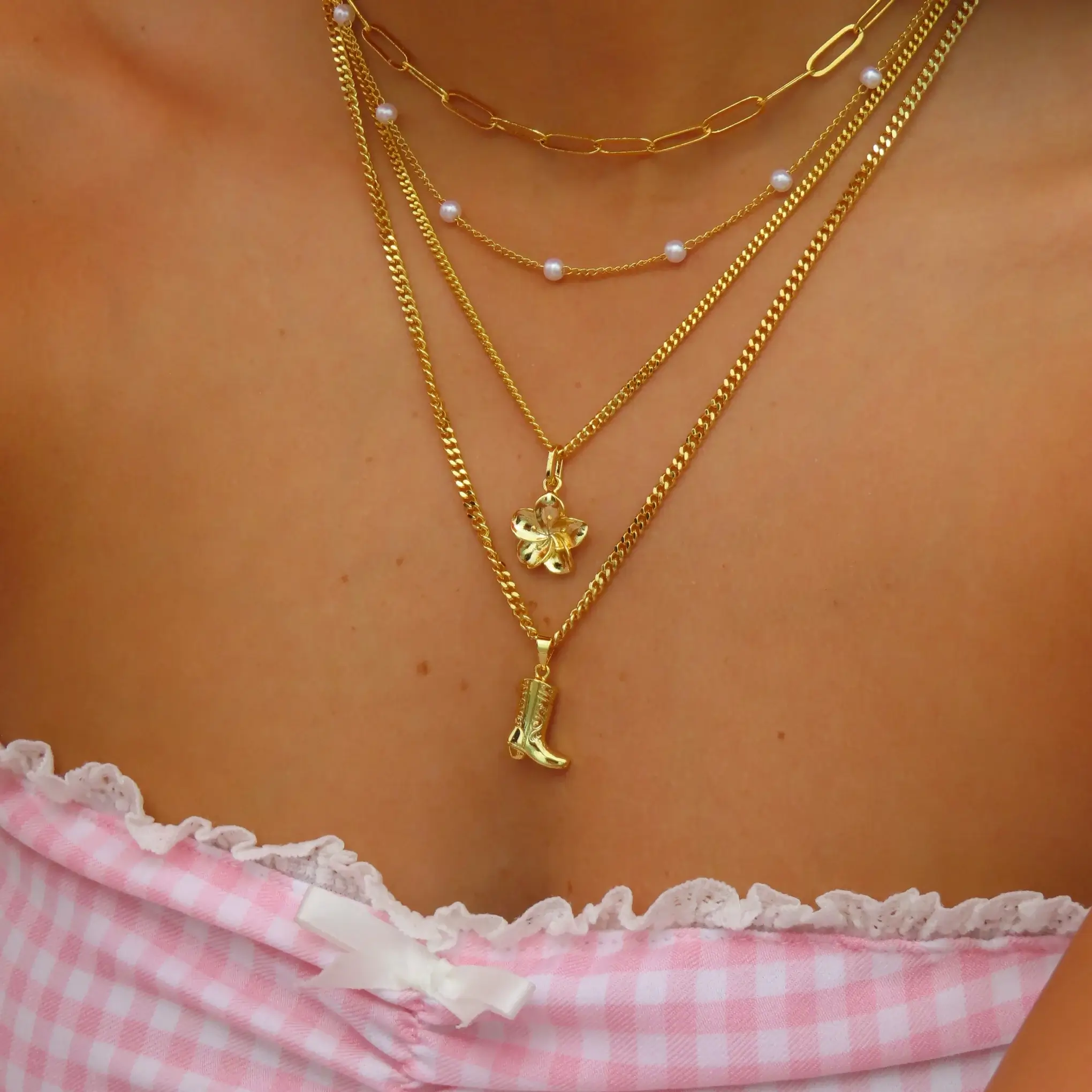
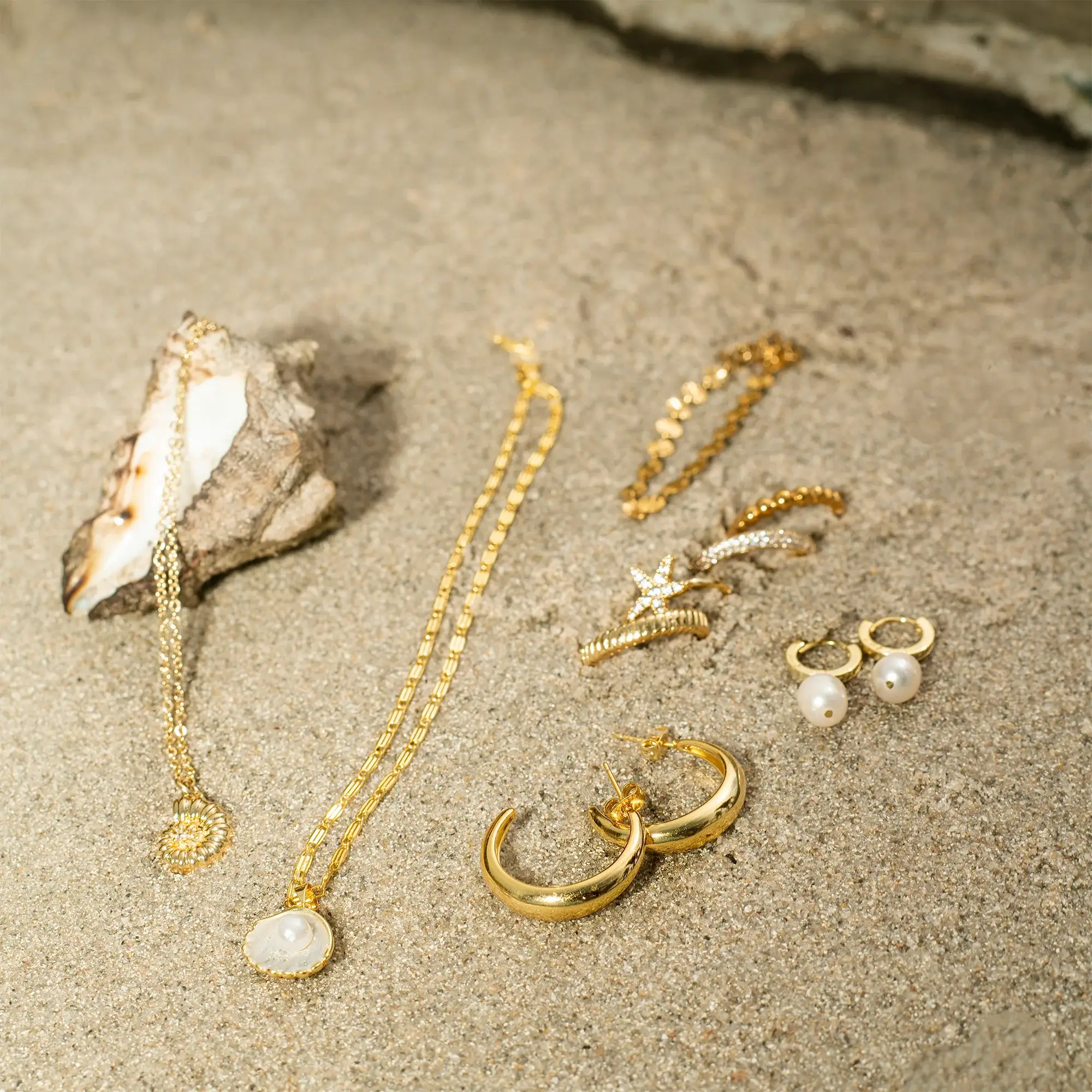
Evry Jewels fits naturally into this cultural movement because it treats jewelry as something meant to be lived in, not managed.
The brand’s aesthetic leans into familiarity rather than spectacle. Pieces feel designed for repetition — worn daily, layered intuitively, and integrated into real routines without demanding attention. There’s an understanding that jewelry doesn’t need to perform to be meaningful.
What resonates most is how accessible the brand feels emotionally. It doesn’t assume a specific lifestyle or version of womanhood. It meets women where they are — busy, multifaceted, evolving — and offers pieces that can move with them rather than slow them down.
In that way, Evry Jewels isn’t trying to redefine jewelry. It reflects how women already use it.
Identity Without Performance
The most interesting thing about modern jewelry culture is how understated it is.
Women aren’t using jewelry to broadcast status or trend alignment. They’re using it to feel anchored. To carry pieces of identity with them through changing contexts. To simplify, not amplify.
Jewelry that doesn’t ask questions fits into that philosophy perfectly. It doesn’t require justification. It doesn’t compete for attention. It simply exists alongside the rest of life.
And once a woman experiences that ease — the quiet confidence of something that stays — it’s hard to go back.
Not because it’s better.
Because it makes sense.