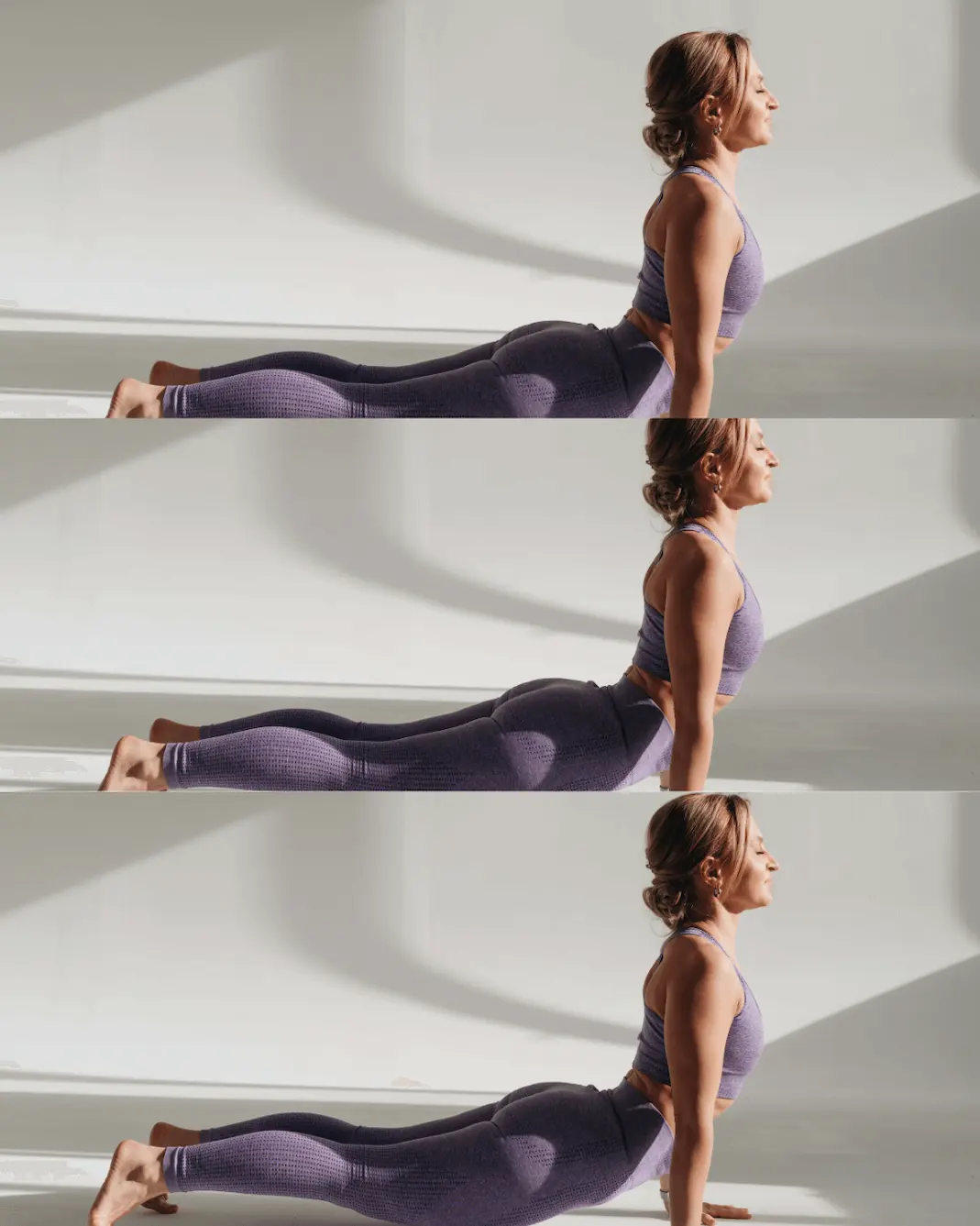
In today’s fast-paced world, finding calm and reducing stress can feel impossible. Between work deadlines, endless screen time, and mounting to-do lists, our minds and bodies are constantly on overdrive. That’s where yoga for stress relief comes in — not just as a workout, but as a proven way to pause, breathe, and improve mental health and mindfulness.
Yoga isn’t about bending into perfect poses or touching your toes; it’s about finding balance — between effort and ease, strength and softness, body and mind. This ancient practice continues to support emotional wellness, reduce anxiety, and promote overall physical and mental well-being, offering benefits that extend far beyond the mat.
The Connection Between Yoga and the Body
At its most basic level, yoga is movement — but it’s movement done with awareness. Each pose strengthens and stretches the body in ways that support overall health. Regular yoga practice can improve flexibility, posture, and muscle tone, while also easing joint pain and stiffness.
Unlike many intense workouts, yoga doesn’t demand; it encourages. It meets you where you are, allowing you to move at your own pace and listen to your body’s signals. Over time, you start noticing subtle changes — a lighter spine, steadier balance, deeper breaths.
But the benefits don’t stop at the physical.
How Yoga Supports Mental Wellness
Research published in PubMed consistently shows that yoga can lead to measurable improvements in stress, anxiety, burnout, and depression across a wide range of populations. Below is a summary of some key findings that illustrate just how powerful yoga can be for mental health.
| Study / Source | Who Was Studied | Main Benefits Observed |
|---|---|---|
| General PubMed Research | Adults, youth, professionals | Overall reductions in stress, anxiety, burnout, and depression |
| 8-Week Yoga Program | Older adults | Improved working memory and lower cortisol (stress hormone) |
| Systematic Review (27 Studies) | Youth | About 70% showed improved anxiety and/or depression |
| Yoga as Potential Therapy for Burnout | Youth | • 58%: better in both anxiety & depression • 70%: better in anxiety-only • 40%: better in depression-only |
A Holistic Approach to Health
Health and wellness aren’t just about physical fitness. They’re about creating harmony between body, mind, and spirit — and yoga embodies that harmony beautifully.
When we practice yoga regularly, we begin to notice how everything is connected: how stress in the mind can tighten the shoulders, or how deep breathing can instantly calm the heart. Yoga teaches us to approach health not as a goal, but as a journey — one that invites compassion, awareness, and balance into every part of life.
It’s not just about an hour on the mat; it’s about how we carry that calm into our day — how we breathe through challenges, stay grounded in chaos, and treat ourselves with patience and care.
The Wellness Ripple Effect
The more we practice yoga, the more its benefits ripple outward. It can inspire healthier eating, better sleep, and more mindful habits. It can help us tune in to what our bodies truly need — rest, nourishment, movement, or stillness.
And beyond personal wellness, yoga encourages a sense of connection — to the world, to others, and to something greater than ourselves. That connection is at the heart of true well-being.

How To Get Started
1. Search Online for Local Studios
Open Google or Apple Maps and type “yoga near me” or “beginner yoga classes near me.” You’ll see a list of nearby studios, complete with reviews, photos, schedules, and directions. Pay attention to the star ratings, read a few comments, and look for words like welcoming, beginner-friendly, or community-focused.
If you’re in the U.S., websites like Yelp and Mindbody are great for browsing yoga studios, checking class times, and even booking a session directly.
2. Explore Community Centers and Gyms
You don’t need to go to a boutique studio to get started. Many local recreation centers, gyms, or wellness clinics offer affordable yoga classes — sometimes even free ones. These are perfect for beginners and often include gentle or restorative yoga options.
Try checking your city’s Parks and Recreation website or your local YMCA. They often have yoga classes listed under “group fitness” or “wellness programs.”
3. Look for Outdoor Classes
Many cities offer community yoga sessions in parks, beaches, or public spaces — often for donation or free. These are wonderful ways to experience yoga in nature and meet others who share the same interest in wellness.
Try searching “free outdoor yoga near me” or checking social media pages for local wellness collectives and Facebook groups.
4. Try a Trial Class
Once you find a few studios that catch your eye, check if they offer intro specials or first-class discounts. Most studios let new students try a class for free or at a reduced rate — a great way to see if you connect with the teacher and atmosphere.
What to Wear to Yoga Class: The Ultimate Guide for Comfort & Confidence
Whether you’re heading to your first yoga class or refining your studio style, knowing what to wear to yoga can make a big difference in how you move and feel. The best yoga outfits balance comfort, flexibility, and breathability.
1. Yoga Tops:
Look for moisture-wicking yoga tops that stay put in every pose. Fitted tank tops, breathable tees, or lightweight crop tops made from spandex, bamboo, or performance fabrics are ideal. Avoid loose shirts that might fall over your face in downward dog!
2. Yoga Pants or Leggings:
The best yoga leggings are high-waisted, stretchy, and supportive. Choose full-length or capri styles depending on the temperature and type of yoga you’re practicing. For hot yoga, opt for quick-dry, sweat-resistant materials; for restorative or yin yoga, soft cotton or brushed fabrics feel cozy and relaxed.
3. Sports Bra:
A comfortable sports bra with light to medium support keeps you secure without restricting your breathing. Look for seamless designs or adjustable straps for a custom fit.
4. Accessories & Layers:
Skip bulky jewelry and anything that might distract you. Instead, bring a lightweight cover-up or yoga wrap for savasana or post-class cool-downs. Most yogis practice barefoot, but grip socks are a great option if you prefer extra traction.
When it comes to what to wear to yoga, the golden rule is simple: comfort equals confidence. Choose pieces that let you move freely, breathe easily, and express your personal style — so your focus stays on your practice, not your outfit. For just one example for stylish, comfortable clothing that moves with you, we recommend WISKII


Final Thoughts
Yoga is so much more than poses and stretchy pants — it’s a practice of presence, balance, and self-discovery. The physical movement is just one doorway into a deeper connection with your mind and body. When we slow down, breathe intentionally, and tune into each moment, yoga becomes a tool for emotional resilience, mental clarity, and inner peace.
Research continues to show that consistent yoga practice can reduce stress, improve sleep, lower anxiety, and boost overall mood. It helps us cultivate mindfulness — the ability to be fully present — which in turn strengthens our mental health and emotional well-being.
Whether your practice is five minutes of morning stretches or a full hour of flow, remember: yoga meets you exactly where you are. Every breath, every pose, every pause is progress. Keep showing up for yourself — body, mind, and spirit