
Every afternoon, somewhere between 2 and 4 p.m., many of us hit the same wall. Concentration fades, energy dips, and suddenly that second or even third cup of coffee sounds like the only way to make it through the rest of the workday.
For years, that was my routine too.
But more recently, I’ve found myself looking for something different. Not because coffee is inherently bad, but because I wanted an afternoon drink that felt refreshing rather than stimulating. Something that wouldn’t leave me feeling jittery, interfere with my sleep, or become another source of added sugar.
As a physician assistant working in urology, I also spend much of my day talking with patients about bladder health and impact of dietary bladder irritants. Caffeine and sweeteners especially artificial sweeteners can trigger urgency, frequency which are hallmark symptoms of overactive bladder.
While there isn’t a single “perfect” drink for everyone, many people benefit from experimenting with drinks that are lower in caffeine and sugar while paying attention to how they feel.
That curiosity led me down the rabbit hole of functional beverages and eventually to white tea.
Why Are So Many People Cutting Back on Caffeine?
Coffee isn’t the enemy. In fact, moderate coffee consumption has been associated with several health benefits for many people. The challenge is that our relationship with caffeine has changed.
Instead of enjoying one morning cup, many of us consume caffeine throughout the day through specialty coffees, energy drinks, sodas, pre workout supplements, and highly caffeinated teas. The result can be a cycle of temporary boosts followed by afternoon crashes, disrupted sleep, and feeling like we constantly need another source of energy.
That’s why more people are shifting their focus away from maximizing caffeine and toward maintaining steadier energy throughout the day.
Sometimes the answer isn’t more caffeine. It’s choosing a different kind of beverage altogether.
Why White Tea Deserves More Attention
Green tea often gets the spotlight, but white tea deserves a place in the conversation.
White tea is made from young tea leaves that undergo very little processing. Because of this minimal oxidation, it naturally retains many of its polyphenols, plant compounds that have been studied for their antioxidant properties.
Compared with black tea and coffee, white tea also contains substantially less caffeine. Rather than delivering an intense jolt of energy, it tends to provide a gentler lift that many people find easier on their bodies.
Its flavor is another advantage.
Unlike black tea, which can be bold or tannic, white tea has a naturally delicate, smooth taste that pairs well with fruit without requiring large amounts of sugar.
If you’ve always assumed tea was bitter or boring, white tea may surprise you.
What to Look for in a Healthy Bottled Beverage
The beverage aisle has exploded over the past few years. Functional drinks promise everything from better digestion and immunity to increased focus and sustained energy.
Marketing claims can make it difficult to know what actually matters.
Here are the qualities I recommend looking for:
- Moderate or low caffeine if you’re trying to reduce afternoon crashes or are sensitive to caffeine.
- Lower sugar content, since many bottled teas contain more sugar than people realize.
- Minimal artificial sweeteners if you’ve noticed they don’t agree with you.
- Ingredients you recognize rather than a lengthy list of additives.
- A flavor you genuinely enjoy, because healthy habits are much easier to maintain when they don’t feel like a sacrifice.
No beverage replaces a balanced diet, regular exercise, quality sleep, or medical care. But choosing a drink that better aligns with your health goals can be one small change that adds up over time.
Editor’s Pick: Happy Being Sparkling White Tea
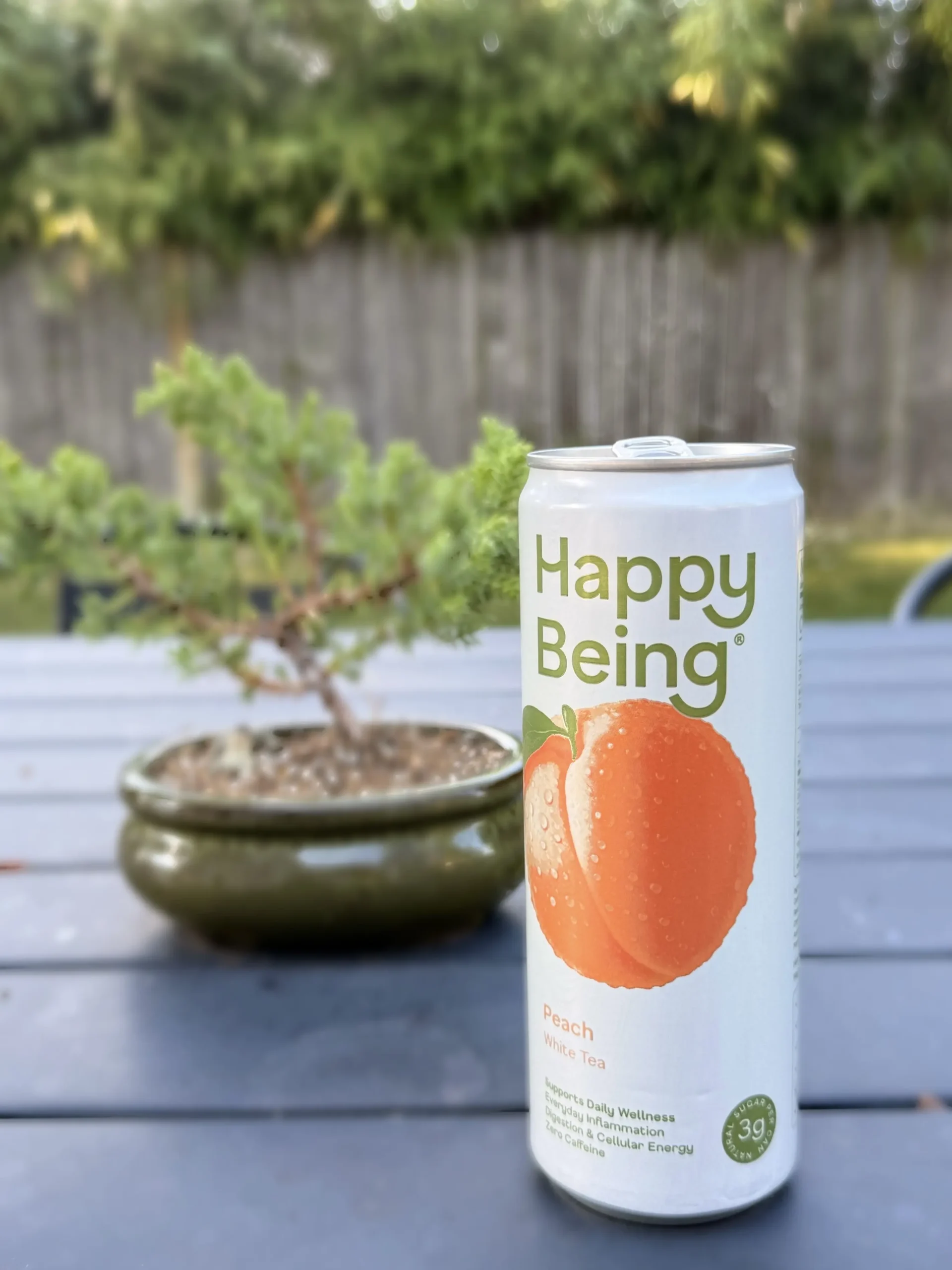
After trying a number of popular functional beverages, one drink has become my favorite afternoon option: Happy Being White Tea.
Happy Being was founded by Chris Conway after decades in the health and wellness industry. His goal was refreshingly simple: create a drink that combined research-backed ingredients with flavors people would actually reach for every day. He worked alongside physicians and scientists to develop a white tea–based beverage built around polyphenols, elderberry, turmeric, and vitamin C.
Rather than trying to imitate soda or energy drinks, it takes a different approach. The foundation is white tea, paired with ingredients including elderberry, turmeric, polyphenols naturally found in tea, and vitamin C.
I appreciate that the focus isn’t simply on adding vitamins to a sugary drink. Instead, the beverage starts with a naturally lighter tea base and keeps the nutrition profile simple.
Each can contains just 20 calories and 3 grams of sugar while providing a small amount of naturally occurring caffeine from white tea. Compared with coffee or traditional iced tea, the energy feels much gentler, making it an easy afternoon choice when I still want something refreshing without feeling overstimulated later.
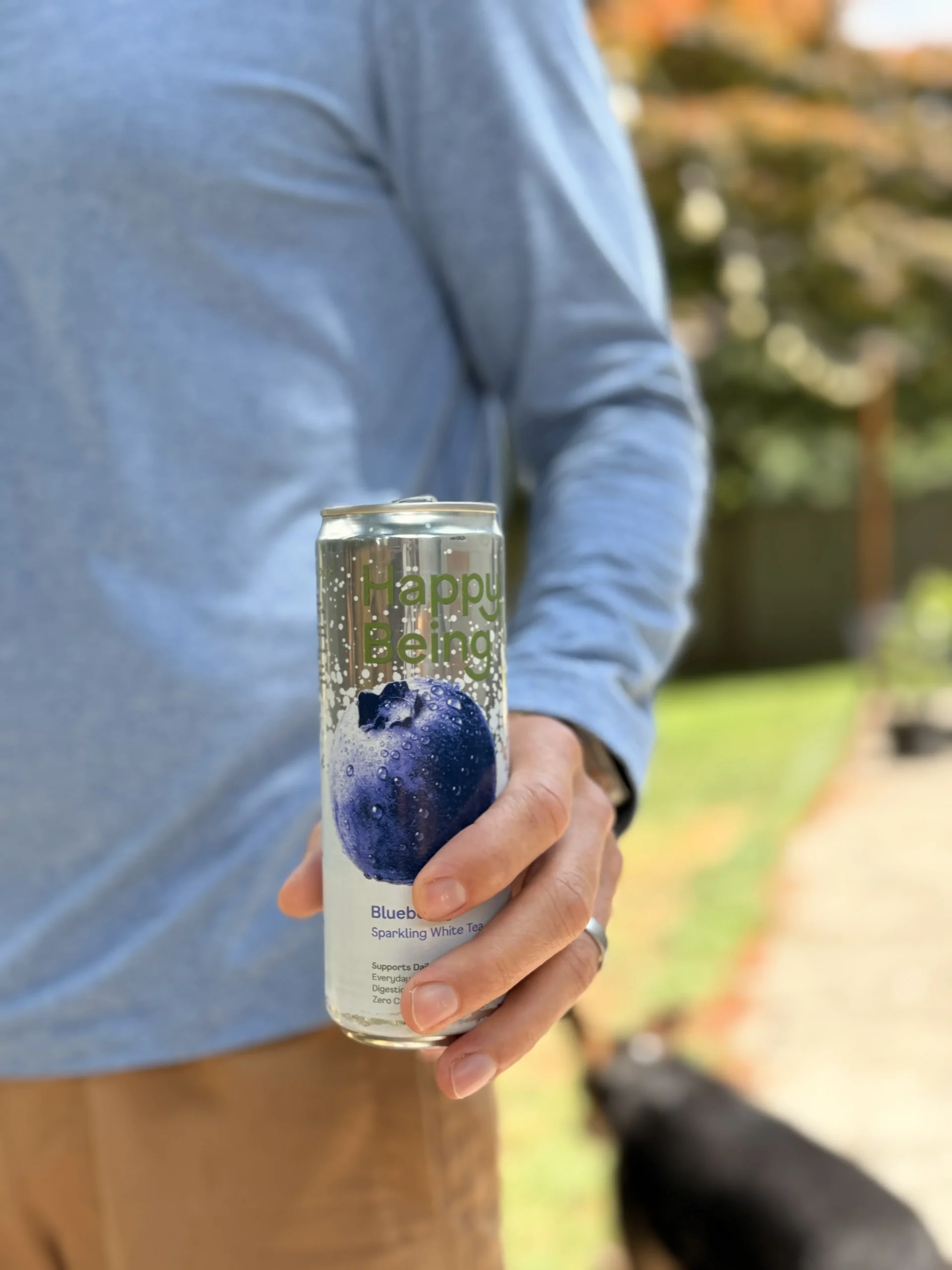
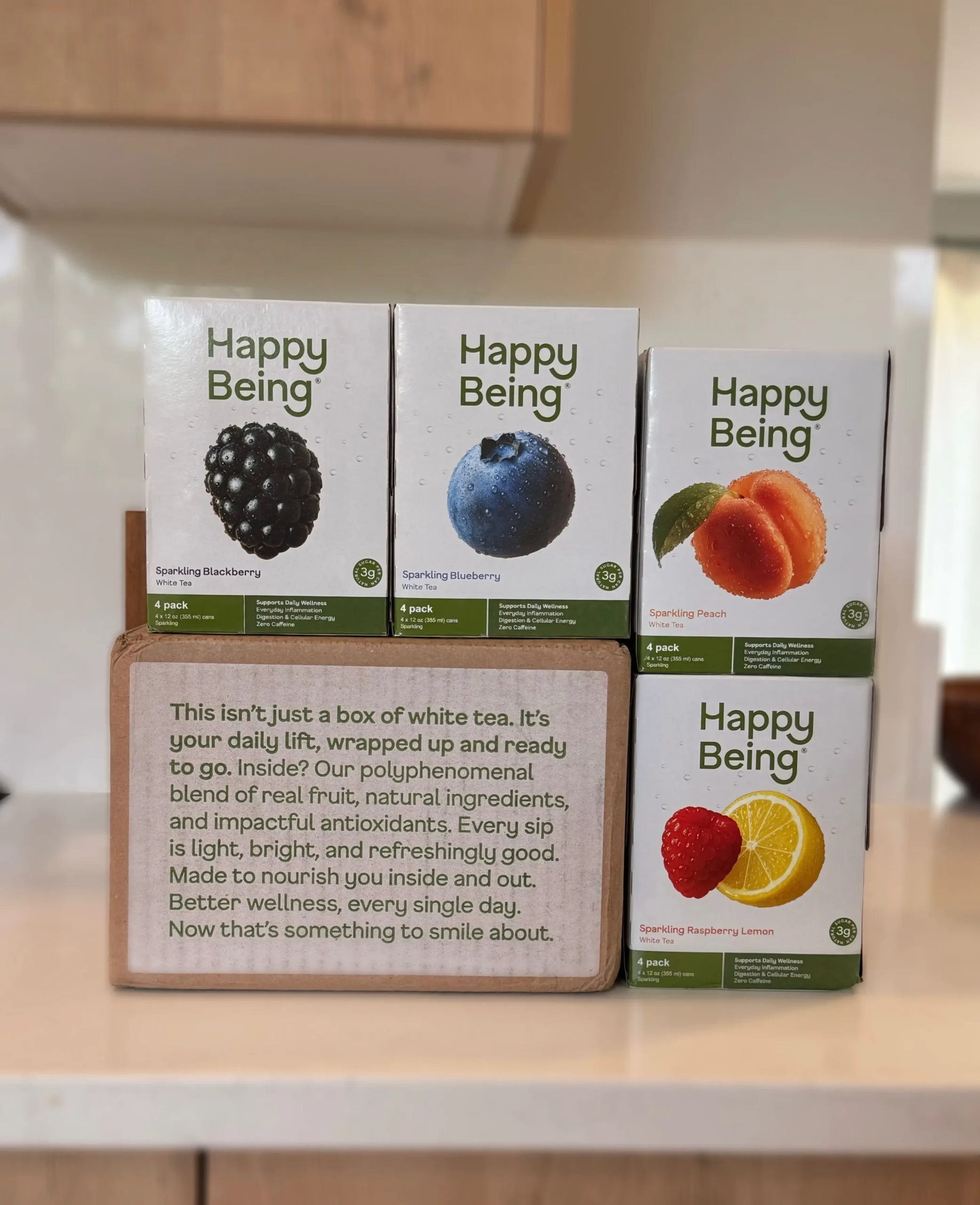
One feature I especially appreciate is that Happy Being offers both sparkling and still varieties. On warmer days, I usually reach for the sparkling version because it feels crisp and refreshing. When I want something calmer or less carbonated, the still version provides the same thoughtfully selected ingredients in a more traditional tea experience.
The Functional Ingredients
Happy Being combines several ingredients that have been studied for their potential health benefits:
White Tea naturally contains polyphenols and antioxidants, including EGCG, that have been studied for supporting cellular health.
Elderberry contains anthocyanins and has been researched for its role in supporting immune health and reducing the duration of certain cold symptoms.
Turmeric provides curcumin, a plant compound known for its anti inflammatory properties that has been studied for supporting joint health and the body’s normal inflammatory response.
Vitamin C plays an important role in immune function, collagen production, and protecting cells from oxidative stress.
These ingredients aren’t a substitute for healthy eating or medical treatment, but I appreciate seeing functional ingredients paired with modest sugar instead of relying solely on sweetness for appeal.
How It Compares
| Beverage | Caffeine | Sugar | Best For |
| Happy Being White Tea | Very low | 3g | Gentle energy, functional ingredients |
| Olipop | None (most flavors) | 2 to 5g | Soda replacement |
| Poppi | None (most flavors) | 4 to 5g | Apple cider vinegar fans |
| Spindrift | None | 1 to 3g | Hydration |
| Unsweetened Black Iced Tea | Moderate | 0g | Traditional tea drinkers |
My Honest Taste Review
The first thing I noticed was how natural it tasted.
Many functional beverages either taste overly sweet or have an artificial aftertaste that reminds you they’re trying to be “healthy.” Happy Being doesn’t.
The white tea gives it a clean, delicate flavor, while the fruit flavors stay light rather than syrupy. The carbonation is soft and refreshing, making it feel more like a lightly infused sparkling tea than a soda.
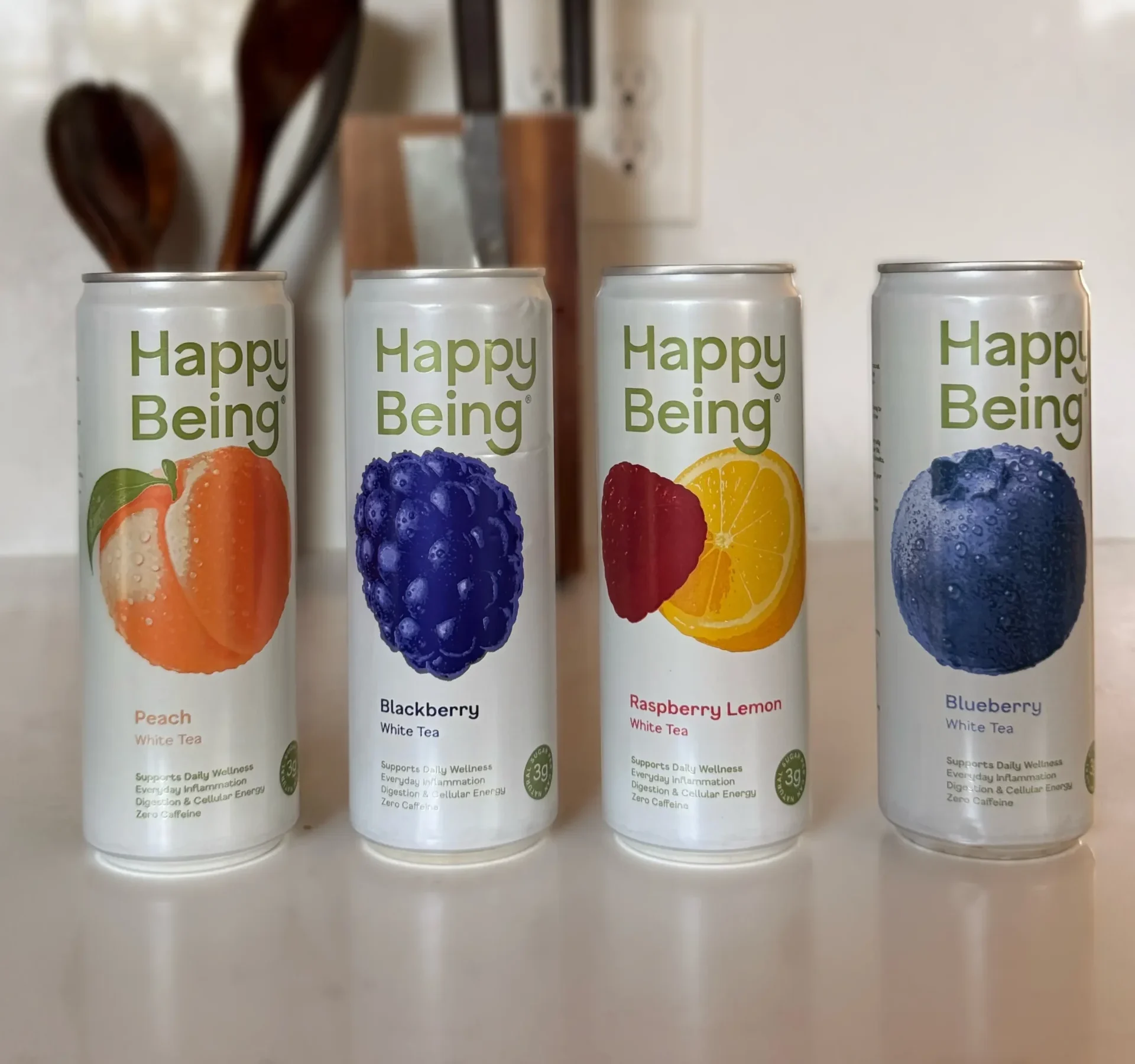
My personal favorite is the Blueberry flavor because it tastes like fresh fruit rather than candy. Peach is mellow and approachable, Raspberry Lemon offers a brighter citrus note, and Blackberry has a clean berry flavor that isn’t overly sweet.
If you’re accustomed to sweet tea or juice, the flavors may seem subtle at first. But after a few cans, I found myself appreciating that they didn’t leave me craving even more sugar afterward.
Healthy Ways to Beat the Afternoon Slump
Changing your afternoon drink can certainly help, but it’s only one piece of the puzzle.
Some of the healthiest habits for maintaining steady afternoon energy include:
- Drinking water consistently throughout the day instead of waiting until you’re thirsty.
- Eating lunches that include protein, healthy fats, and fiber rather than relying mostly on refined carbohydrates.
- Taking a 10 to 15 minute walk outside after lunch to increase circulation and improve alertness.
- Standing up and stretching every hour if you work at a desk.
- Prioritizing consistent sleep instead of trying to compensate with more caffeine.
I’ve found that these small habits often work together. A healthier beverage alone won’t fix chronic fatigue, but it can become part of a routine that helps you feel better throughout the day.
Final Thoughts
Finding a healthier afternoon drink isn’t about discovering a miracle beverage. It’s about creating routines that feel enjoyable enough to stick with.
For some people, that might mean replacing soda with sparkling water. Others may discover they enjoy unsweetened tea or simply drinking more water throughout the day.
For me, white tea has become the sweet spot. It offers a gentle source of energy, refreshing flavor, and a more balanced alternative to another afternoon coffee.
Happy Being happens to be my current favorite because it checks many of the boxes I look for: modest sugar, naturally low caffeine, thoughtfully selected ingredients, and flavors I genuinely enjoy drinking.
More importantly, it’s helped reinforce something I often tell my patients: the healthiest habits are usually the small ones you can actually sustain.