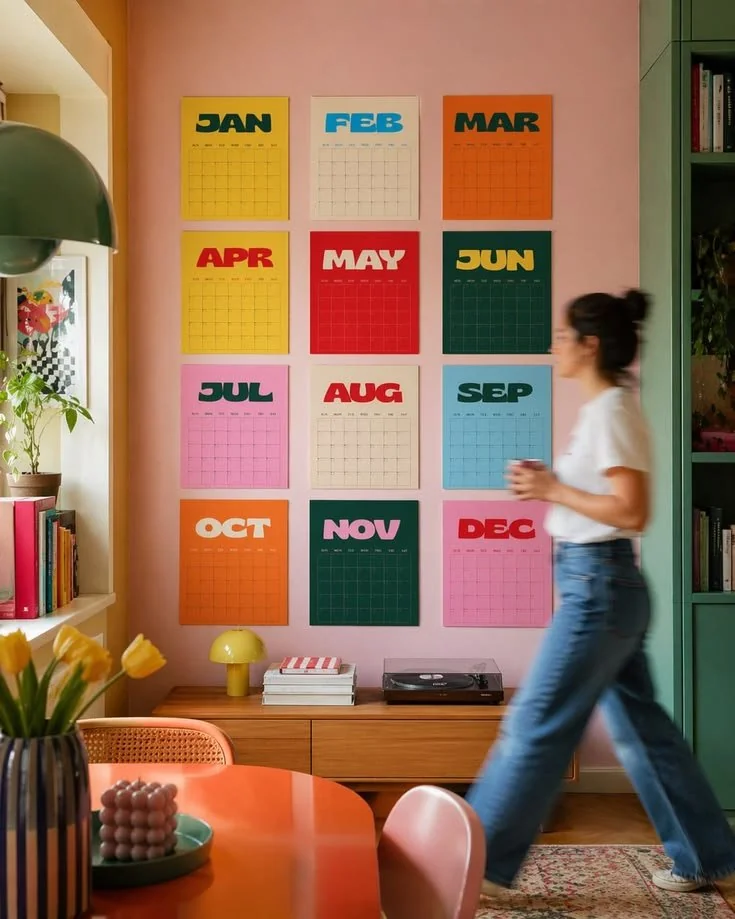

Running a household gets easier the moment everything lives in one shared place. This Busy Mom’s Guide is about trading the fridge covered in paper reminders for a system that actually keeps the week moving — one every family member can see, touch, and update.
Moms are the operations department of the house. Appointments, permission slips, soccer practice, who needs cleats by Friday, who has a book report due Monday. It’s a lot to hold in one head. The good news: a few small shifts turn chaos into a rhythm the whole family can follow.
Why Sticky Notes Stop Working Around Age 7
Paper notes are charming until the kids multiply or their schedules do. A single yellow square on the fridge works when there’s one dentist appointment a month. It stops working when there’s tap class Tuesday, a half-day Wednesday, and grandma visiting Saturday.
Here’s where most of us get stuck:
- Notes fall off, get tossed, or hide under a magnet
- Only the person who wrote it knows what it means
- Dates get copied wrong between the planner, the phone, and the fridge
- Kids can’t read them, so reminders only work for adults
A calmer home needs a single source of truth. One spot where everyone — mom, dad, the 9-year-old who swears she wasn’t told about picture day — can check the same information. That’s the shift. Not more organizing. One place instead of six.
The One Screen That Runs Our Morning Routine
The piece that changed the most for a lot of moms we hear from is a wall-mounted family hub. The Apolosign 15.6″ Digital Calendar sits in the entryway or kitchen and syncs everyone’s Google, Apple, or Outlook calendars onto one big, readable screen, so soccer practice, work meetings, and the dog’s vet appointment all show up in one view. It also displays the weekly meal plan and lets you build simple chore lists that reward the kids with stars when tasks get checked off — which, surprisingly, they actually chase.
Mounted near the front door, it becomes the morning checkpoint. Shoes on, backpack grabbed, glance at the screen, out the door. No more “wait, is today pizza day?” from the back seat halfway to school.

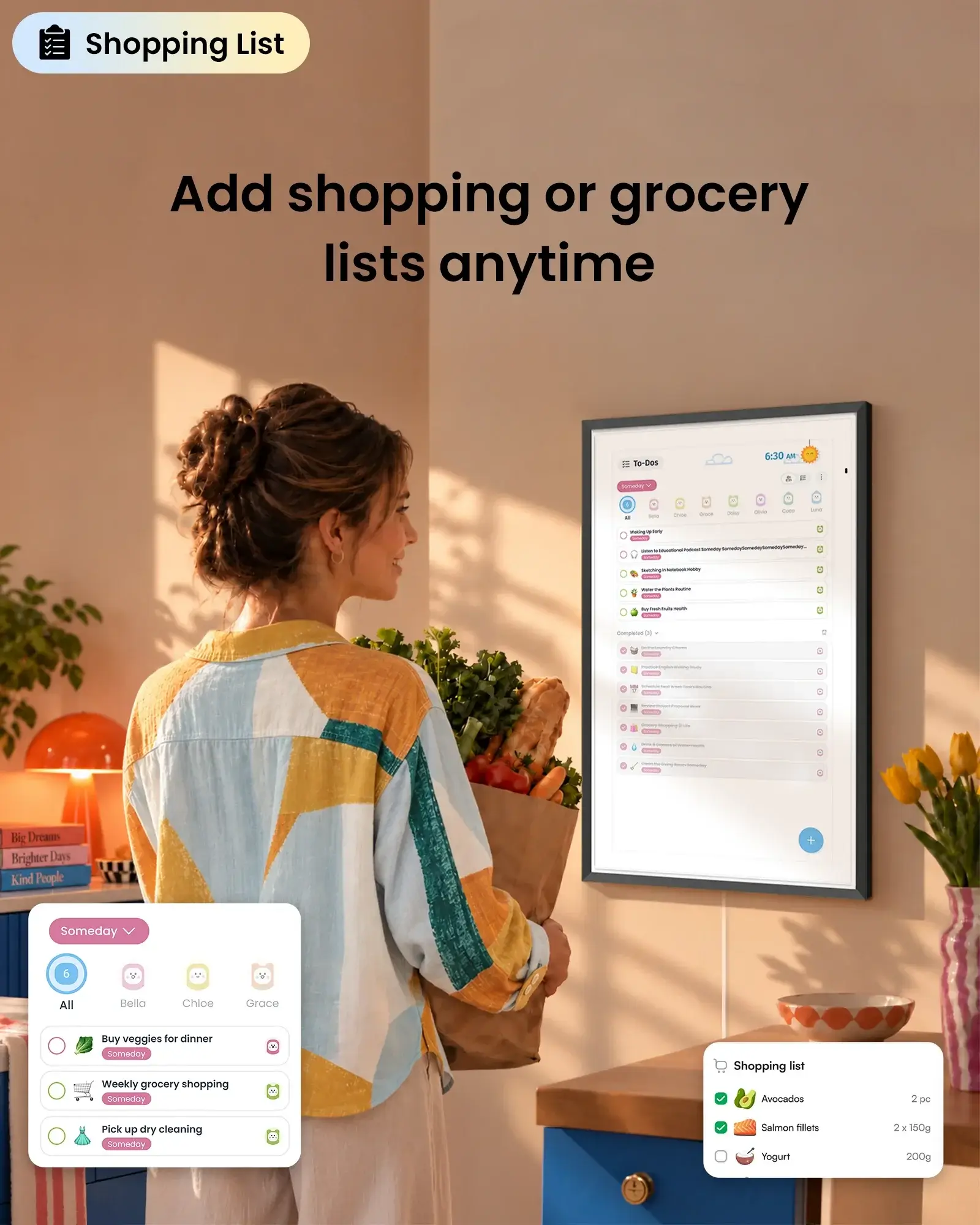
The best part is how it handles the small stuff without a phone. Pop a grocery item onto the shopping list while you’re unpacking the bags. Add a reminder when you remember it, not three hours later when you’re finally sitting down.
The Weekly Reset That Keeps Everything Humming
A 20-minute Sunday reset holds the whole week together. It’s the single habit most organized moms share — and it doesn’t require a fancy planner.
Here’s the version that works for busy families:
- Dump everything into one calendar. School notices, work meetings, playdates. If it has a time, it goes in.
- Plan 5 dinners, not 7. Leave two nights open for leftovers or takeout. This saves everyone.
- Pick three household tasks. One load of laundry a day, one grocery run, one bathroom wipe-down. That’s it.
- Assign kid chores. Match to age. A 6-year-old can feed the cat. A 12-year-old can start the dishwasher.
- Review it together Sunday night. Five minutes with the kids over dessert. Everyone knows what’s coming.
The shopping list feature on a shared screen makes step 2 almost automatic — scroll through the week’s meals, and ingredients populate as you go. Avocados, salmon, yogurt, done.
Making the Kids Part of the System
Chore charts work best when kids can see them without asking. A screen at eye level, or a low whiteboard, turns “did you brush your teeth?” into something they check themselves.
A few ideas that land well with elementary-age kids:
- Star systems beat cash. Ten stars earn a Friday movie pick or an extra 30 minutes before bed.
- Keep it visual. Icons work better than words for younger kids.
- Tie chores to privileges, not punishments. Screen time unlocks after the morning routine is done.
- Rotate jobs weekly. Nobody gets stuck with trash duty forever.
Teenagers respond better to shared calendars on their phones. Giving them access to the family calendar (read-only at first, then editable) treats them like the almost-adults they’re becoming. Peak&Pick readers often say this is the move that finally cut down the “nobody told me” arguments.
What a Calmer Home Actually Looks Like
A calmer home isn’t a spotless one. It’s a home where mom isn’t the only person who knows what’s happening on Thursday. Where the information is shared, the system is simple, and the kids feel ownership of their own corner of it.
Start with one swap. Move the fridge notes into a shared calendar. Build a 20-minute Sunday reset. Add a visual chore tracker the kids can see. Three weeks in, mornings feel different — and so does the energy around dinner.