
More than half of American kids will have a cavity by age 8, according to the CDC — and most of them brush twice a day with the cartoon-branded tube in the bathroom drawer. So the twice-a-day rule isn’t the fix parents were sold. What’s inside the tube matters just as much.
The Myth That Kids’ Toothpaste Is Basically the Same as Adult Toothpaste
It isn’t, and not in the way most parents assume. A lot of the sparkly, character-covered tubes on drugstore shelves carry more sugar-adjacent sweeteners, artificial dyes, and SLS (sodium lauryl sulfate) — the foaming agent linked to canker sores in kids with sensitive mouths — than the grown-up versions sitting one shelf over.
The bubble gum flavor was designed to get kids to brush. Fair enough. But somewhere along the way, “kid-friendly” started to mean “candy-flavored, artificially colored, and loaded with fillers” instead of “gentle and safe to swallow the trace amount they’ll inevitably swallow.”
Cleaner food and household basics have become table stakes for a lot of parents — the kind of decisions moms copy from each other without a second thought. Oral care sat in a blind spot for a long time. It’s finally catching up.
Rethinking What Goes on Those Little Teeth
The bigger shift in kids’ oral care right now is the move toward nano-hydroxyapatite — a form of the mineral teeth are actually made of. It’s been the standard in Japanese pediatric dentistry for decades and is finally hitting American bathroom counters.
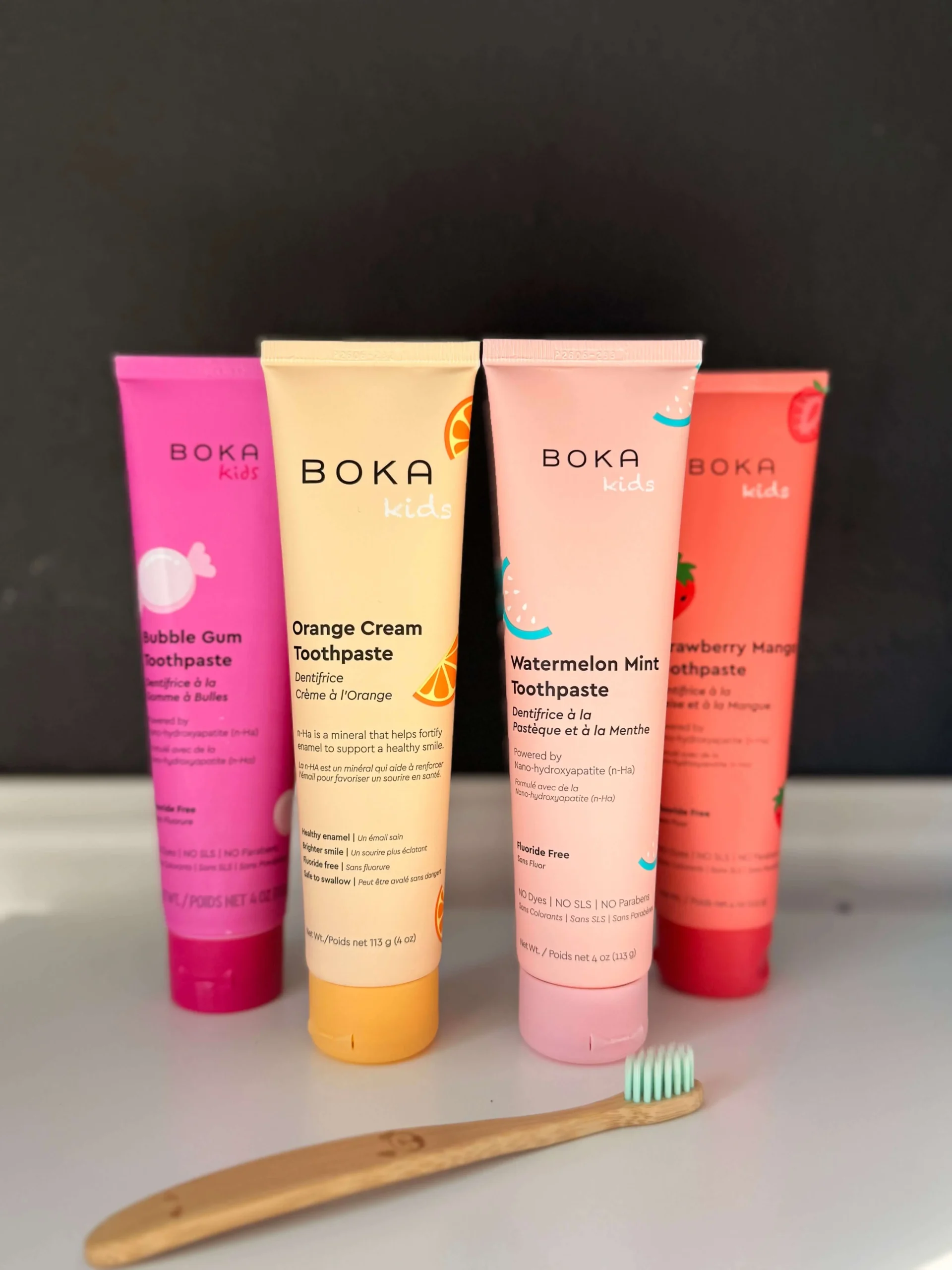
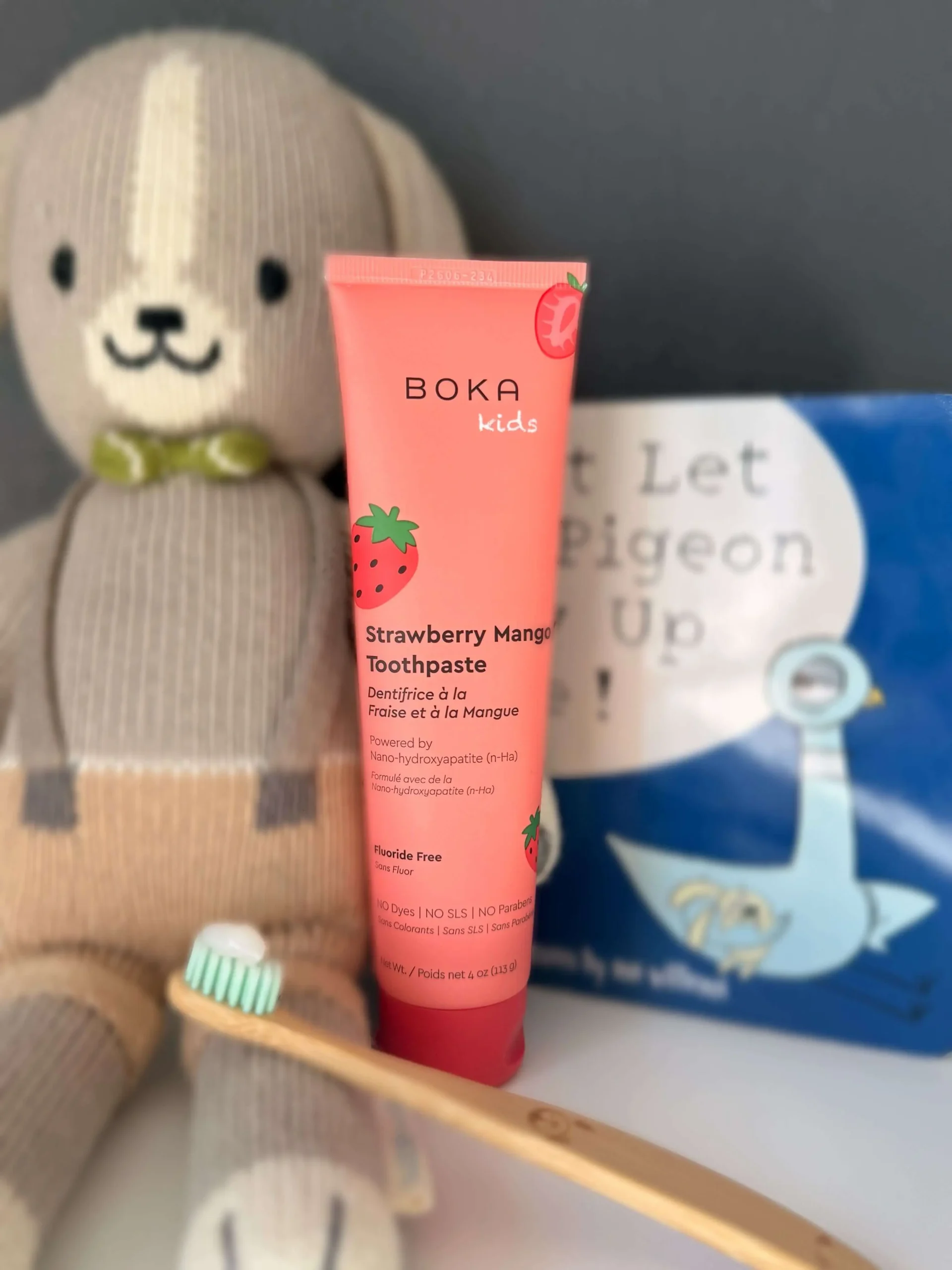
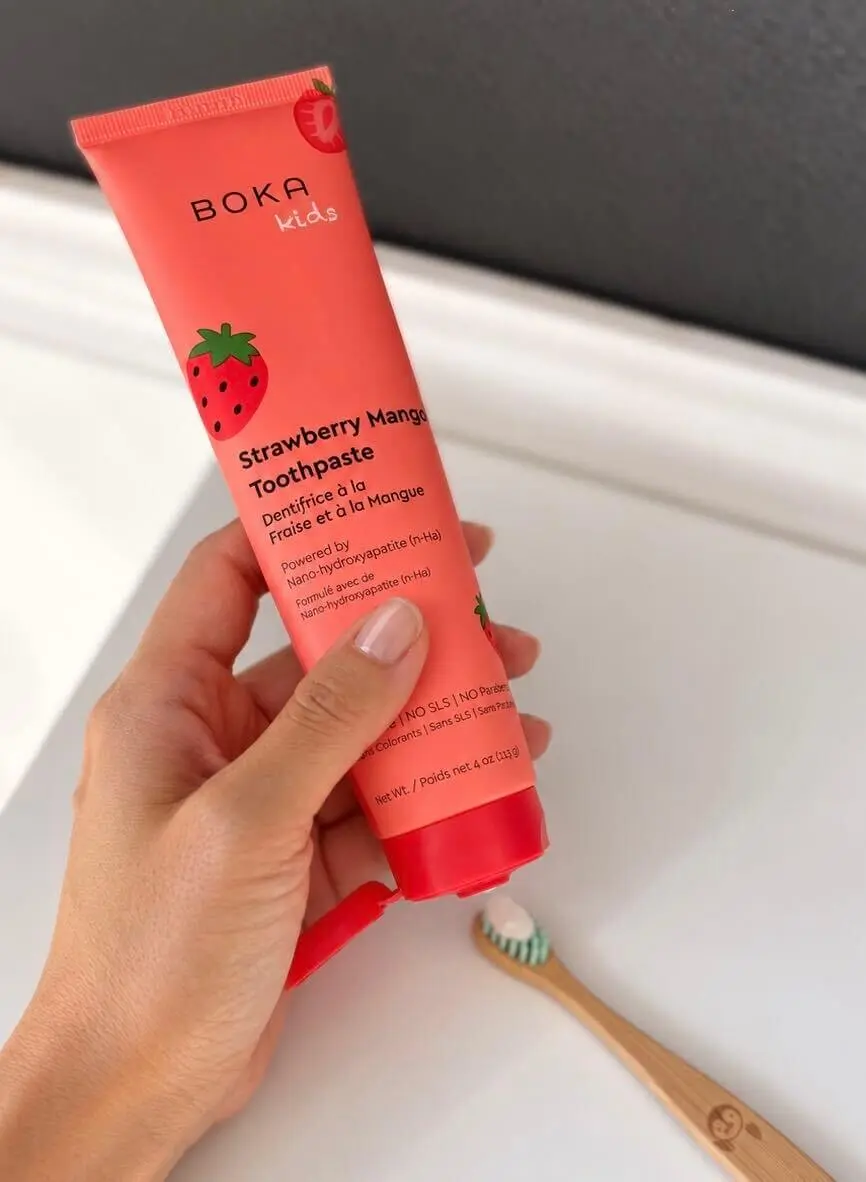
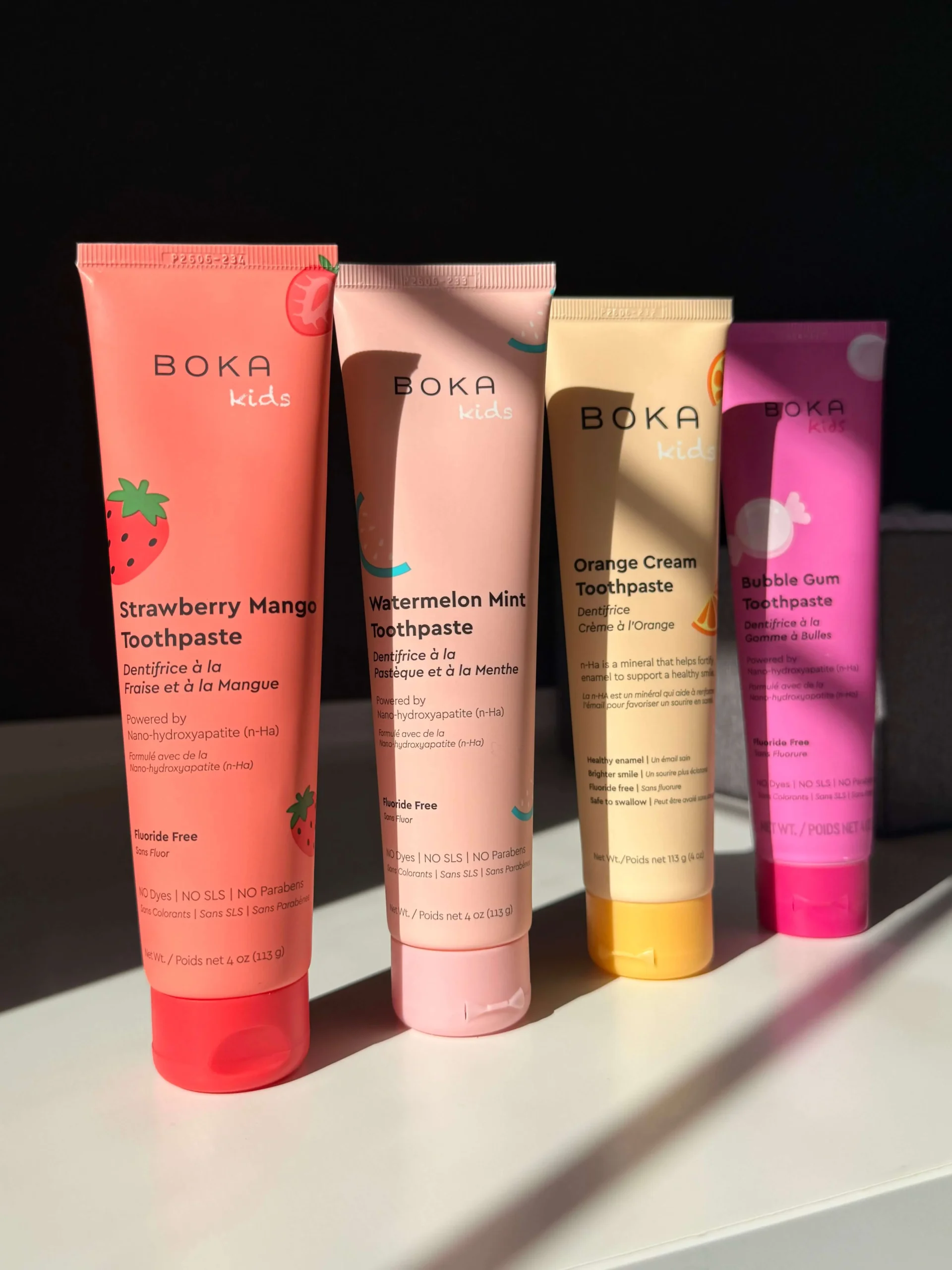
Boka’s Bubble Gum Kids Nano-hydroxyapatite Toothpaste is one of the fluoride-free formulas getting nods from dentist-led panels for daily use. It skips SLS, parabens, and artificial dyes, keeps the bubble gum flavor kids actually want, and uses n-Ha to help remineralize enamel. The tube looks grown-up enough that a 7-year-old will still use it without a fight.
Worth knowing: n-Ha and fluoride aren’t enemies. Some pediatric dentists still recommend fluoride for high-cavity-risk kids. The point is having a real choice, not defaulting to whatever’s cheapest at Target.
The Fluoride Fight Isn’t as Black-and-White as Instagram Says It Is
Both camps oversimplify it. The “fluoride is poison” crowd ignores decades of cavity-reduction data. The “anything else is woo” crowd ignores that swallowing fluoride toothpaste — which small kids do — can cause dental fluorosis, those chalky white spots on permanent teeth.
The American Academy of Pediatric Dentistry recommends a rice-grain smear for kids under 3 and a pea-sized amount for ages 3 to 6. Most parents use way more than that because the tube designs encourage it.
A few things worth knowing before the next dentist visit:
- Fluorosis rates in American kids have risen alongside fluoridated water and fluoride toothpaste use
- n-Ha has published research showing comparable remineralization to fluoride in kids’ teeth
- Xylitol (in some kids’ toothpastes and gums) actively reduces cavity-causing bacteria
- The order matters: floss, then brush, then don’t rinse — swishing with water washes the good stuff off
The Sugar Conversation Nobody Wants to Have
Brushing habits get all the attention. Snack frequency does more damage. A kid who sips a juice box over an hour is bathing their teeth in sugar the whole time — worse than eating a cookie in five minutes and moving on.
Pediatric dentists have been saying this for years: it’s the duration, not just the quantity. Gummy vitamins, dried fruit, and crackers that turn to paste in molars are quiet cavity factories. Water between meals does more than most upgraded toothpastes ever will.
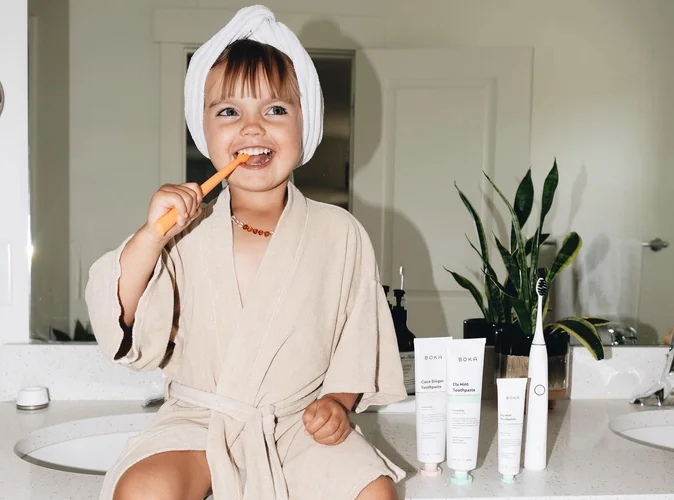
The new wave of kids’ oral care is genuinely better. But it works best paired with the boring stuff — a real cup of water, a limit on grazing, a parent who actually watches the two-minute brush.
If you want to go a step further on the ingredient side, our Biom review breaks down another oral care option worth knowing about for families rethinking what’s in the tube.
For more of what we’re reading and recommending across wellness, visit Peak&Pick.