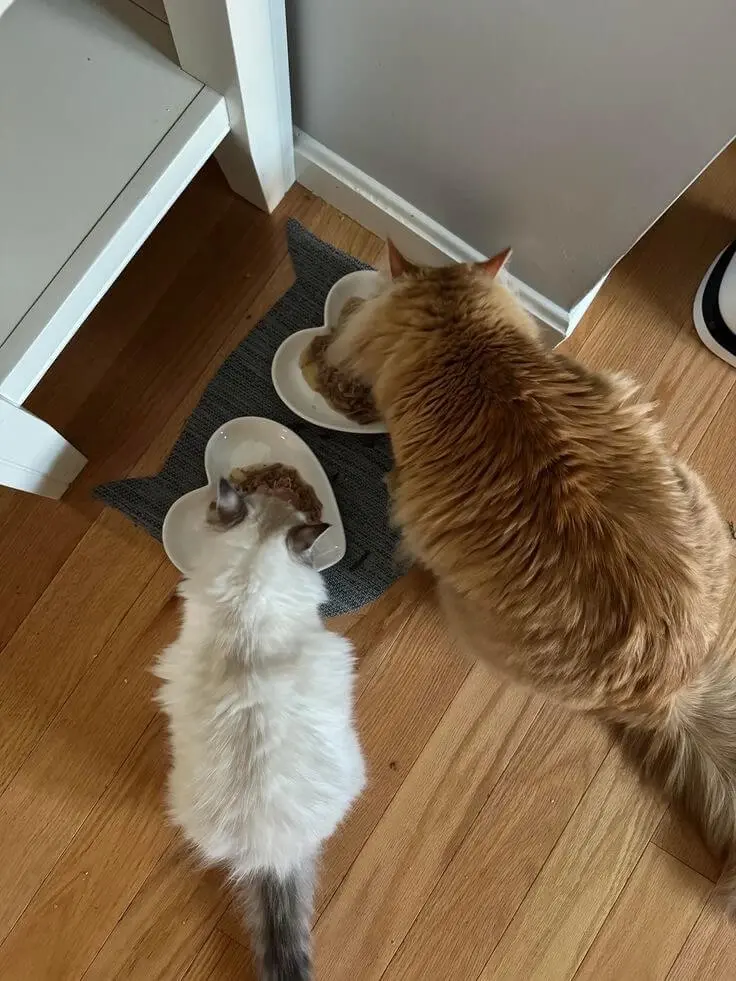
We spend so much time thinking about what goes on our own plates. But what about our pets?
Just like us, pets can benefit from a balanced, nutrient-rich diet made with quality ingredients. While every pet has different nutritional needs based on their age, size, breed, and health, being more intentional about what goes into their bowl is a great place to start.
If you’re not quite sure where to begin, here’s your guide to making smarter, healthier choices for your pet.
Start With What’s Actually In Their Bowl

It’s easy to grab the first bag or can of pet food you see at the store, but taking a closer look at the ingredient list can help you make a more informed choice.
When choosing pet food, look for recognizable, high-quality ingredients and a formula that provides complete and balanced nutrition for your pet’s life stage. Real animal protein is often listed near the beginning of the ingredient list, while recognizable carbohydrates like sweet potatoes, peas, or chickpeas can provide additional nutrients.
A long ingredient list isn’t automatically a bad thing, but it’s worth knowing what you’re actually feeding your pet. If you’re unsure about an ingredient or whether a particular formula meets your pet’s nutritional needs, your veterinarian can help you find the right option.
Whole Foods Can Be A Treat, Too
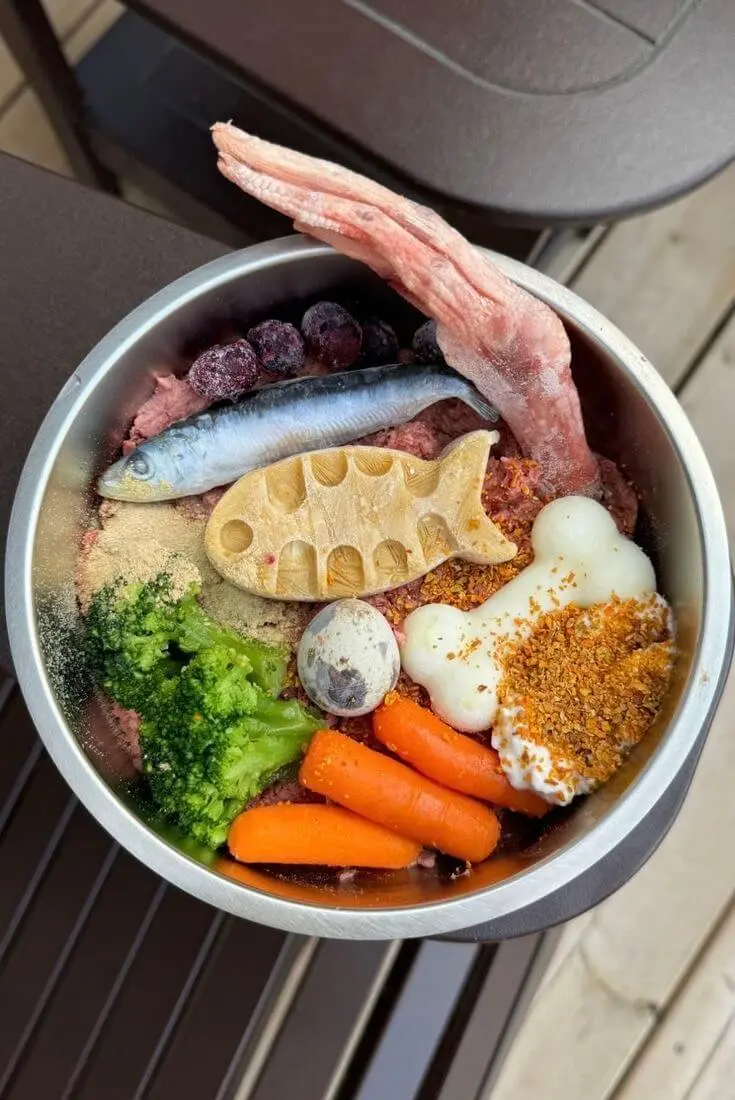
Whole foods are a great addition to your pet’s diet when they’re safe and appropriate for their species. Depending on your pet, foods like blueberries, carrots, or certain steamed vegetables can add variety to their meals or make a tasty occasional treat.
Hydration is important, too. Wet food and other high-moisture options help increase your pet’s water intake, although fresh water should always be available.
And don’t forget about treats! Treats are an important part of training and bonding, but they should be given in moderation. Treats and other extras should make up no more than about 10% of your pet’s daily calorie intake. When in doubt, opt for appropriately portioned treats and keep an eye on those extra calories.
Supplements Aren’t One-Size-Fits-All
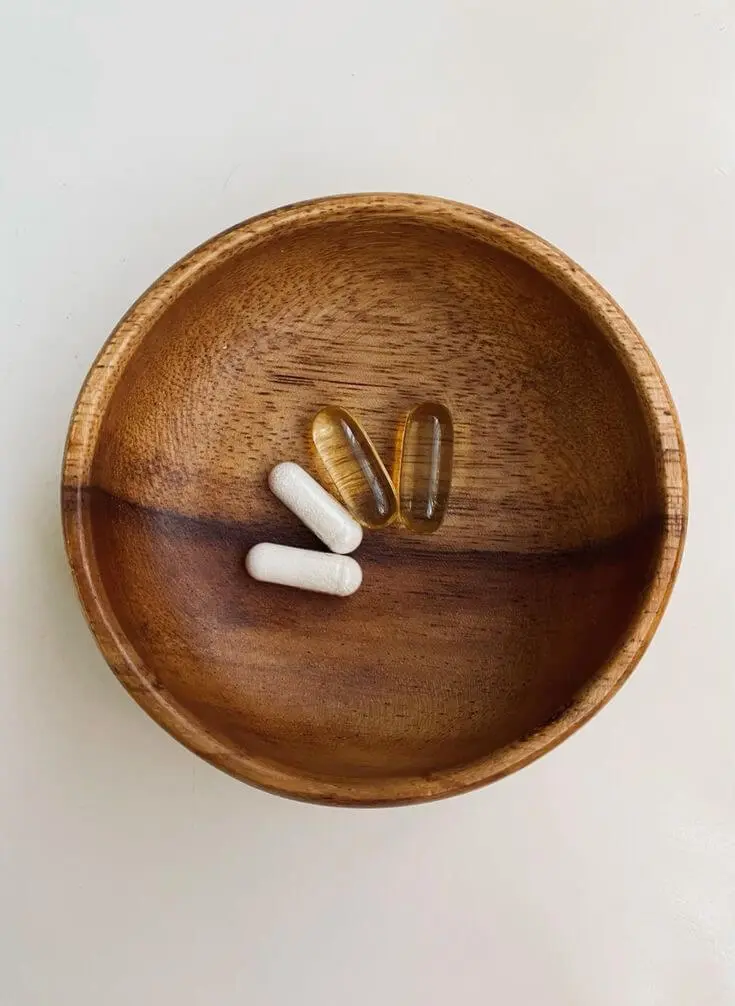
Sometimes, even a balanced diet may not address every specific nutritional need. That’s where supplements can come in.
Before adding a supplement to your pet’s routine, it’s a good idea to talk to your veterinarian, especially if your pet has an existing health condition or takes medication. The right supplement can provide targeted nutritional support based on your pet’s individual needs.
To choose the right supplement for your pet, look for clear active ingredient amounts, quality seals, and a formula specifically designed for your pet’s needs. To be safe, pick products backed by research for a specific issue, such as omega-3s for skin.
Pup Labs offers a variety of supplements designed to support different aspects of your pup’s wellness, from immune support to oral health. Their formulas are made with quality ingredients and avoid proprietary blends and unnecessary fillers, making it easier to understand what you’re giving your dog.
Avoid Harmful Additives and Toxic Foods
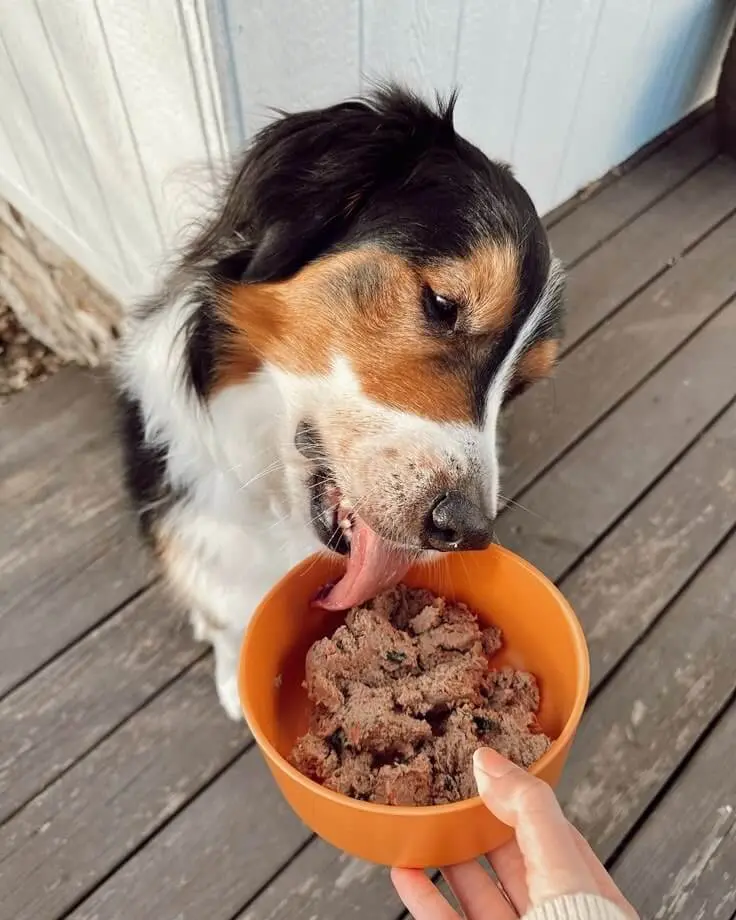
Reading the ingredient list also means knowing what you don’t want to see. When possible, seek out pet foods and treats that don’t rely heavily on artificial dyes, unnecessary additives, or excessive fillers.
More importantly, remember that some foods that are perfectly safe for humans can be dangerous, or even toxic, for pets. Keep foods like chocolate, onions, garlic, grapes, and raisins away from your pet, and be cautious about sharing table scraps.
If your pet accidentally eats something potentially toxic, contact your veterinarian or an animal poison control service right away rather than waiting for symptoms to appear.
A Healthier Bowl Starts With Better Choices

Making more informed choices for your pet doesn’t have to mean completely changing their diet overnight. Start by paying attention to the ingredients in their food, offering appropriate whole-food additions, keeping treats in moderation, and avoiding foods that could be harmful.
Most importantly, remember that “healthy” doesn’t look exactly the same for every pet. Your veterinarian can help you determine the right diet, portions, and supplements for your pet’s specific needs. With a little extra attention, you can make every meal a step toward a happier, healthier life for your furry friend.