
Softness is the new rebellion. In a decade that rewarded women for dressing like venture capitalists and Instagram wellness founders, choosing lace, ribbons, and bloom-print silk is the loudest thing you can do.
Everyone sees it on their feed — the pink cardigans, the sheer tights, the little bows on everything from ballet flats to iced coffee cups — but no one is naming what it actually means. Romantic dressing isn’t a trend cycle. It’s a cultural correction.
The Gracie Abrams Effect Isn’t About Being Twee
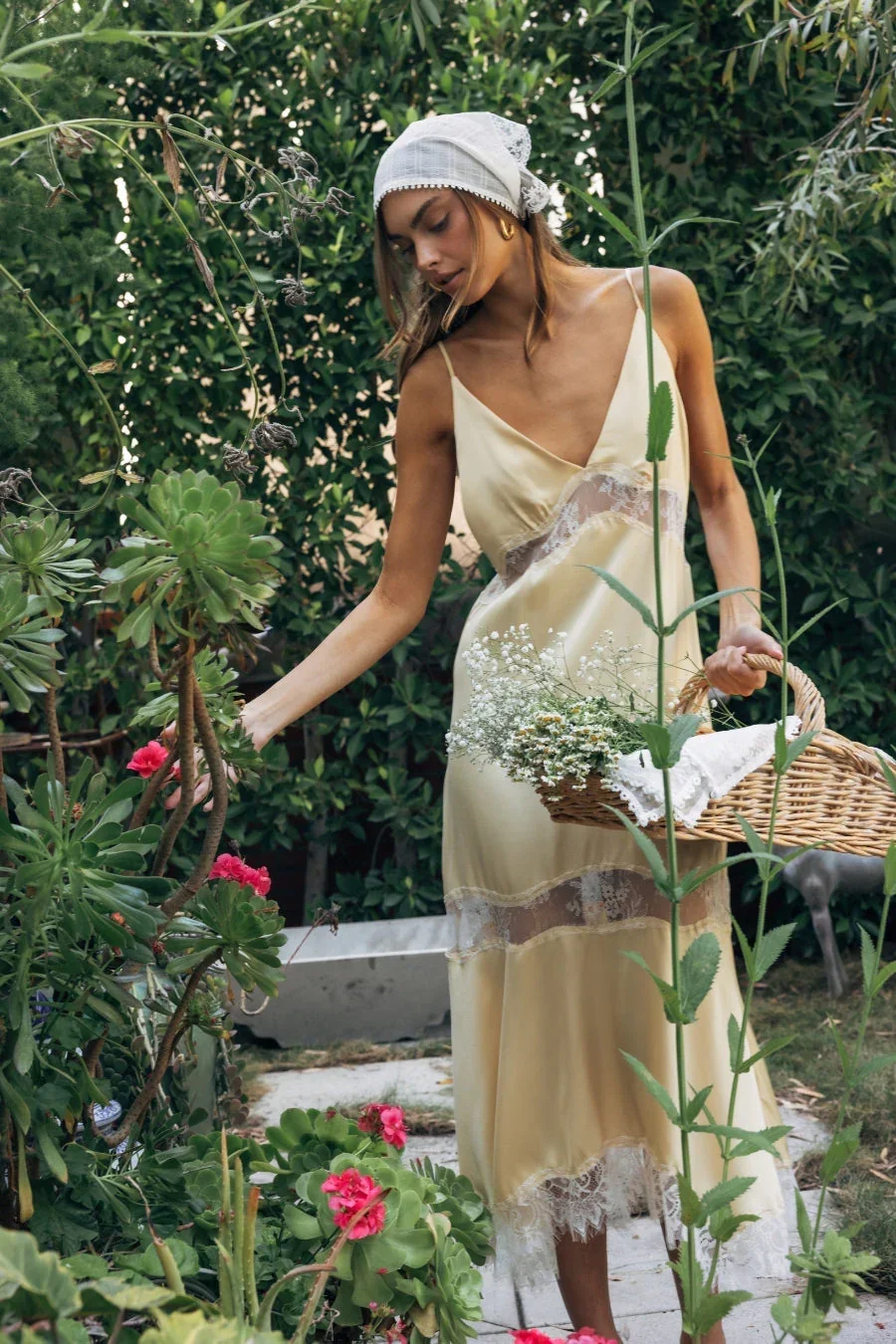
Gracie Abrams walks onstage in a slip dress that looks borrowed from her mother’s closet in 1997, sings a song about a heartbreak she hasn’t finished processing, and sells out Madison Square Garden. That combination — visible tenderness, unguarded feeling, feminine styling that refuses to armor up — used to read as naive. Now it reads as a woman who knows exactly what she’s doing.
Her aesthetic works because it treats softness as an intelligence rather than a weakness. The bows are not costume. The eyelet lace is not costume. It’s a woman saying she doesn’t need to look tough to be taken seriously.
That shift matters. For most of the 2010s, the fastest way for a woman to be respected was to signal, through her clothes, that she was not to be underestimated. Sharp shoulders. Slick buns. Beige everything. Romantic dressing rejects the premise entirely — the premise being that femininity ever needed a defense.
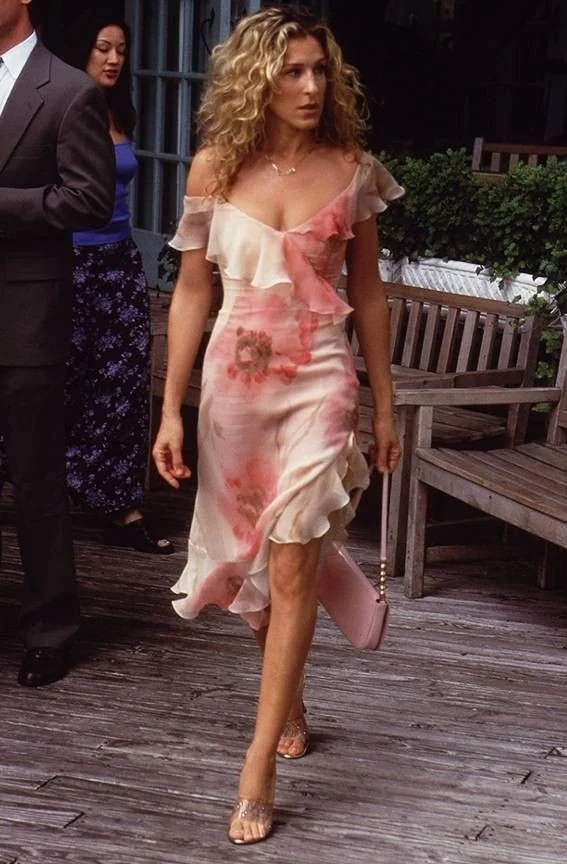
Why the Girlboss Uniform Finally Died
The corporate minimalist look — the one every woman under 35 wore between 2016 and 2022 — was a costume built for a specific hope. That if we dressed like we belonged in the boardroom, we’d get in. Then we got in, and it turned out the boardroom was also on fire.
A few things are happening now, all at once:
- Women are spending money on clothes that mean something to them, not clothes that translate to a LinkedIn headshot
- The “clean girl” aesthetic — slicked hair, no jewelry, gold hoops max — is being read as the same rigidity in different packaging
- Personal style is being treated as an emotional practice, not a professional one
Romantic dressing is what happens when women stop performing seriousness and start dressing for the life they actually want. Which, more often than not, involves feeling something.
Raw Stones, Botanical Motifs, and the Real New Luxury
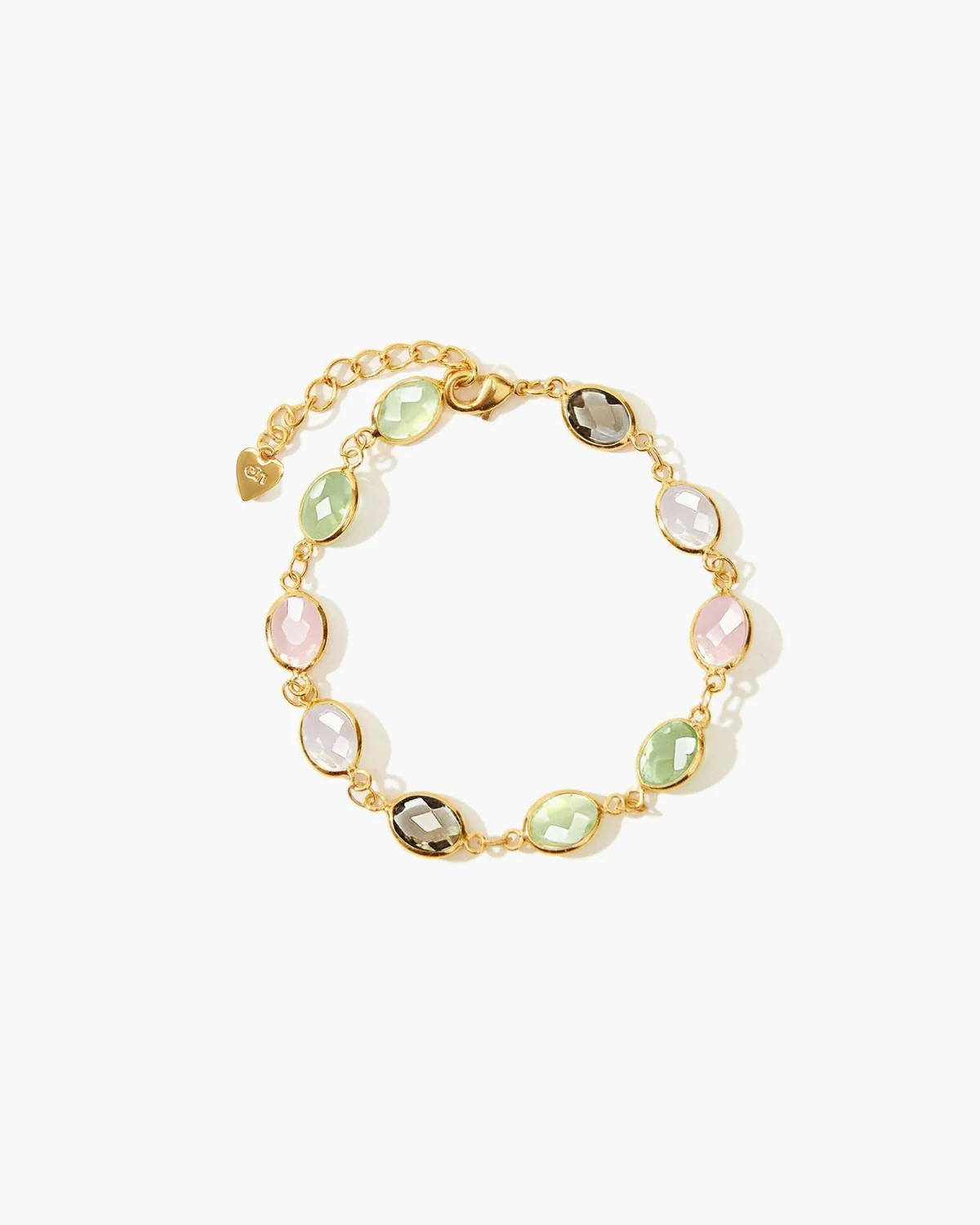
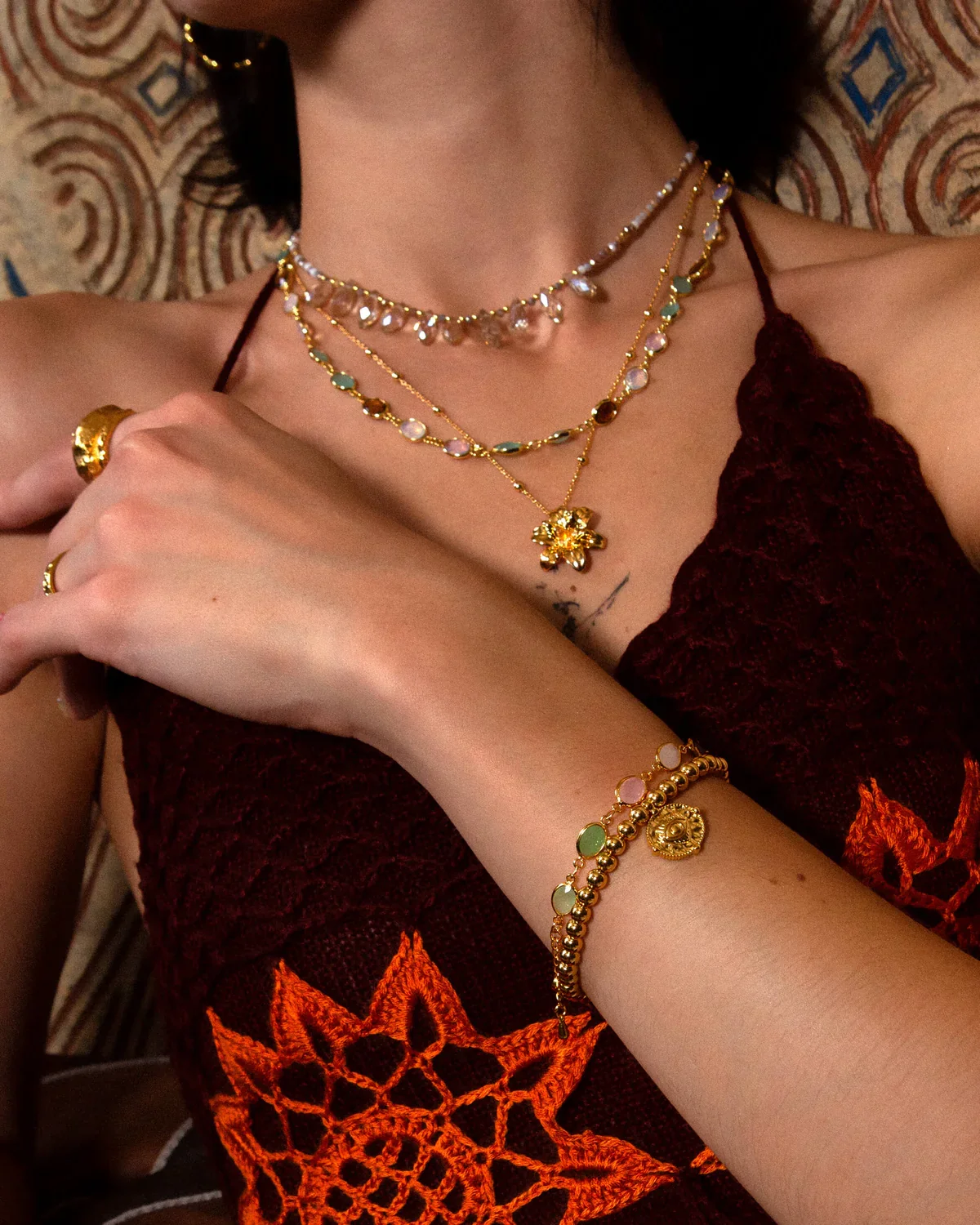
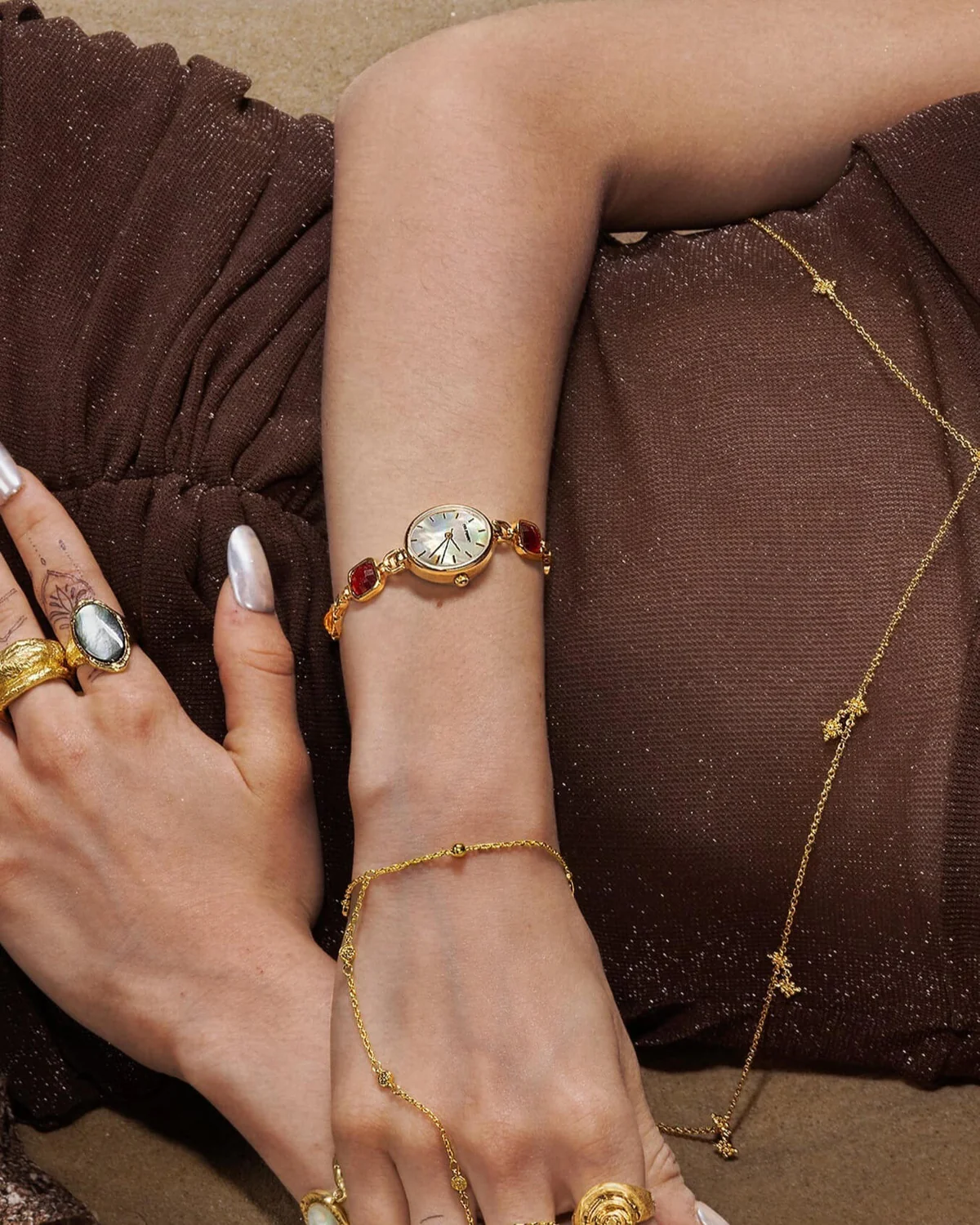
Logo minimalism is being replaced by adornment with a story. Think pressed-flower earrings, hand-forged silver, ribbon chokers, and pendants that look like they were pulled from a riverbed rather than a factory. The status signal is no longer how much did this cost — it’s what does this mean, and who made it.
A good example: the Rain Flower Stone Necklace from en route jewelry, which uses naturally patterned stones formed over centuries — each one looks like a small watercolor. It’s the kind of piece that ends a conversation about where it’s from rather than starts one about what it cost.
But en route isn’t a one-note romantic brand, and that’s part of why it works right now. Their catalog moves fluidly between soft and sharp — delicate pearl drops and floral pendants sit alongside chunky chain-link chokers, hammered cuffs, and heavy silver signet rings that would look at home on a skateboarder in Tokyo. There are pieces that lean gothic (blackened metal, raw crystal points, layered talismans), pieces that read streetwear (oversized links, industrial hardware, mixed-metal stacks), and pieces that go full ethereal romantic (ribbon-tied cameos, moonstone clusters, botanical castings). What ties it all together isn’t a single aesthetic — it’s the sense that every piece was chosen, not manufactured. You can wear their stones with a slip dress or with a leather jacket and cargos, and either way the jewelry does the talking.
That’s the shift. Adornment now works the way a novel does — it hints, it suggests, it invites you closer. The old luxury asked to be recognized. The new one asks to be understood.
Softness Is a Refusal, Not a Retreat
There’s a lazy read on this whole movement that says women are “going soft” because the world is hard — that romantic dressing is escapism, a doll-house response to a dumpster fire.
Choosing to look tender in a culture that mistakes hardness for competence is not a retreat. It’s a stance.
The women dressing this way aren’t opting out of anything. They’re wearing what they want to wear in offices, on the subway, at their sister’s wedding, at a protest. The bow in the hair is not instead of the argument — it’s during it.
That’s what makes it radical. Not the aesthetic itself, but the refusal to accept that femininity has to be earned, defended, or apologized for. A woman in a ruffled collar and a pair of ballet flats is not asking permission. She’s already decided.
For more on style that actually says something, Peak&Pick has you covered at peakandpick.com.