What makes Moen stand out is its understanding that luxury today is less about excess and more about comfort, ease, and the subtle improvements people notice every single day. The best home upgrades are rarely the loudest ones. They’re the changes that quietly reshape routines — the rainfall showerhead that makes mornings calmer, the motion-sensor faucet you never realized you needed, the bathroom details that make a space feel cleaner, smarter, and more considered.
For nearly 80 years, Moen has shaped the way modern homes function through exactly this kind of thoughtful innovation. Founded in 1937 by Al Moen after inventing the single-handle faucet, the brand has become synonymous with upgrades that blend seamlessly into everyday life — from touchless kitchen fixtures to spa-inspired shower systems and sleek, intuitive bathroom hardware designed to make daily routines feel easier and more elevated.
That philosophy is exactly why Moen’s move into bidet technology feels less like a trend and more like the natural extension of its legacy.
The Bidet Is No Longer Niche — It’s a Global Standard Arriving in the U.S.
In Japan, the bidet is not a luxury — it’s a baseline. Walk into a home in Tokyo, a café in Kyoto, or even a rest stop along the Tomei Expressway, and you’ll find heated seats, warm water cleansing, and intuitive features that make the traditional Western toilet feel surprisingly outdated. Across much of Asia and parts of Europe, this level of comfort and hygiene has been standard for decades.
Now, that quiet evolution is becoming part of the American home conversation.
The bidet has moved from niche import to one of the most meaningful bathroom upgrades available today — offering a cleaner, more comfortable, and more sustainable daily experience. But what’s changed most isn’t just awareness — it’s accessibility.
Because the modern bidet is no longer one thing. It exists across a spectrum of needs, budgets, and lifestyles.
Where Moen Fits In: The Modern Bidet Spectrum
What makes Moen’s approach distinctive is that it doesn’t treat bidets as one fixed product category. Instead, it recognizes that the modern bathroom upgrade exists on a spectrum — shaped by how people live, what they’re comfortable installing, and how much change they want to bring into their home.
At the entry level are non-electric bidet attachments. These are designed for simplicity: no power source, no complex installation, just a direct connection to an existing toilet. They offer a straightforward introduction to water-based cleansing and are especially appealing for renters or first-time users.
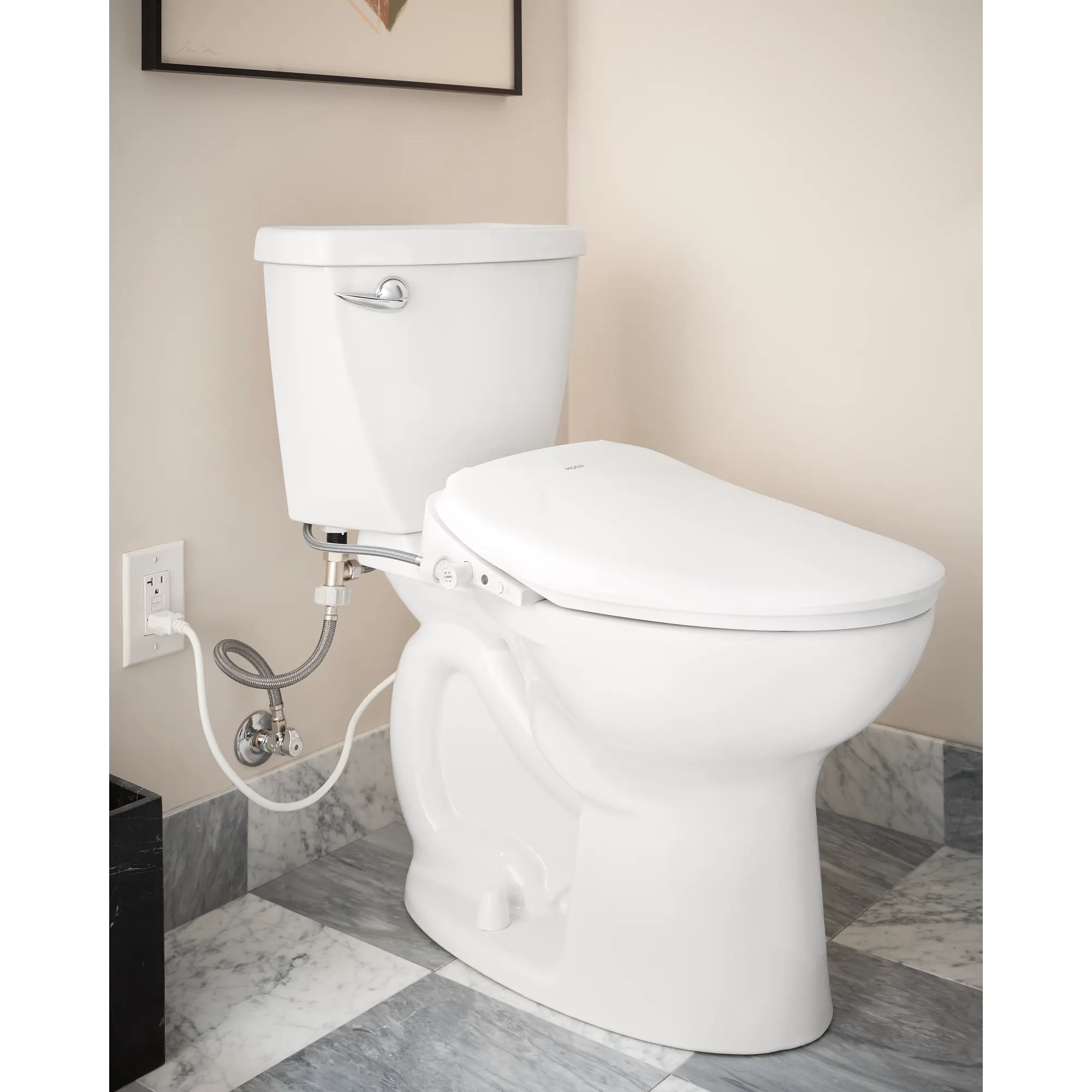
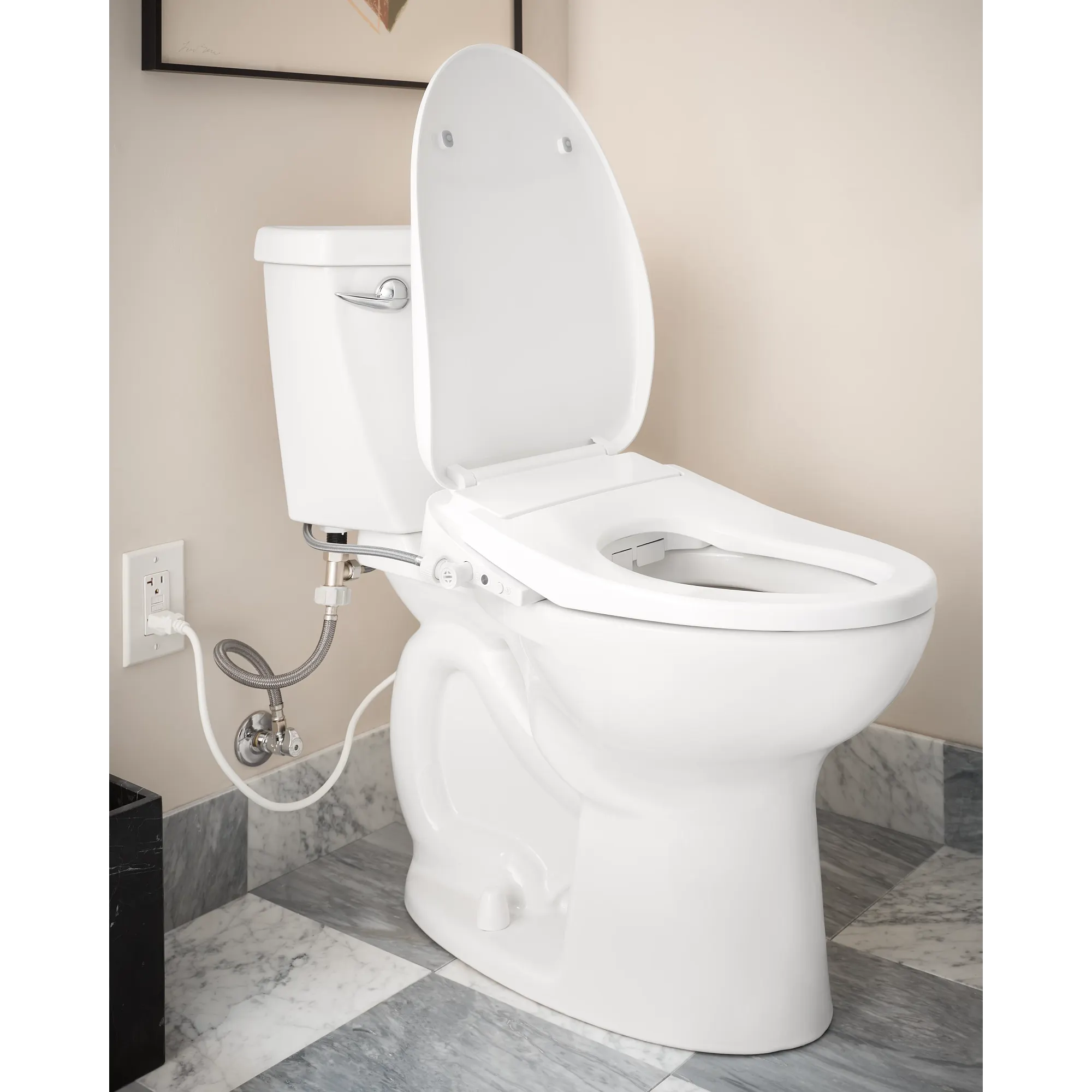
In the middle are electric bidet seats, where the experience becomes noticeably more refined. These replace the existing seat and plug into a standard outlet, unlocking heated water, adjustable pressure and spray settings, user presets, and warm air drying. This is where the bidet shifts from functional add-on to daily comfort upgrade — something that quietly changes how the bathroom feels to use.
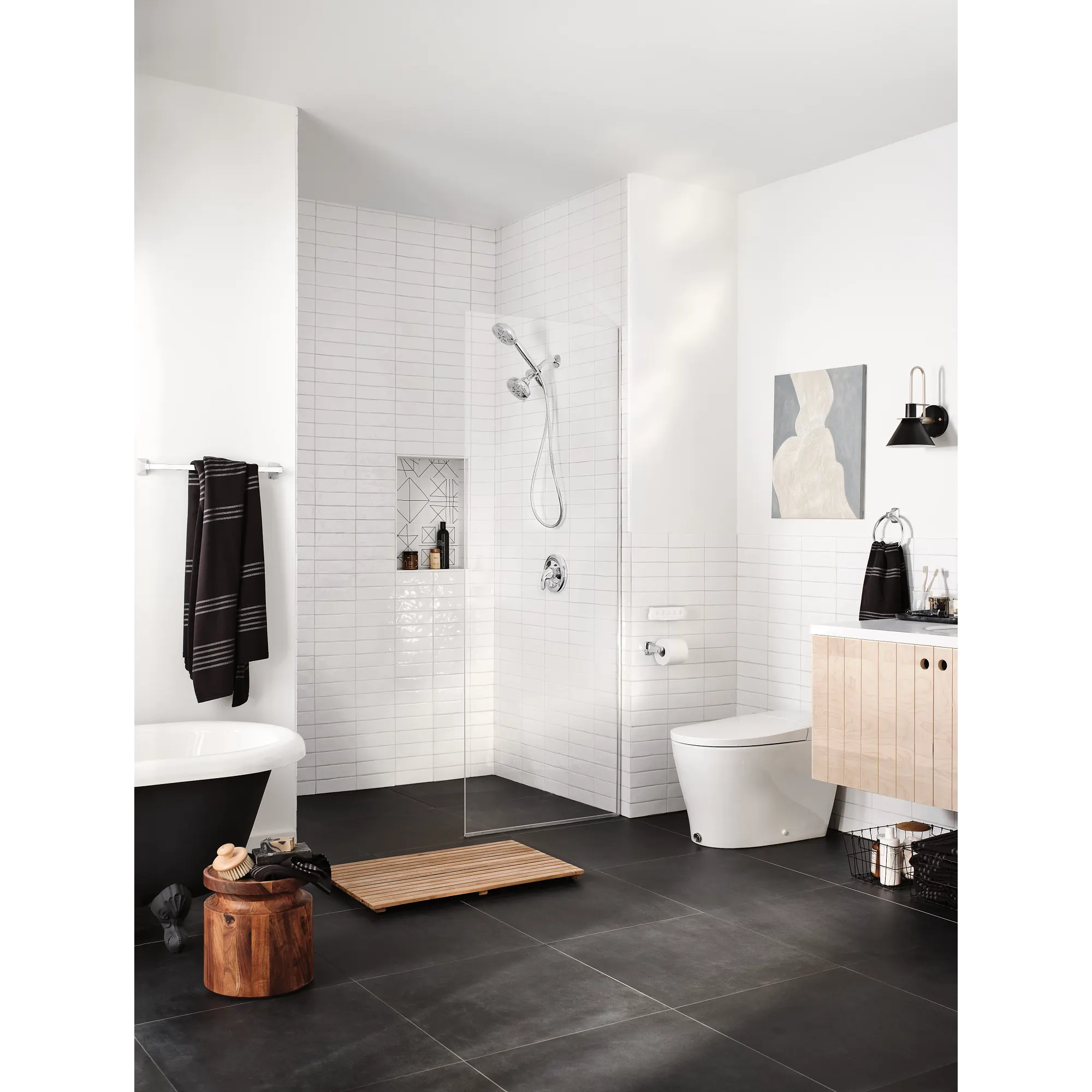
At the premium end are fully integrated bidet toilets, typically part of larger renovation projects. These systems replace the entire fixture and offer the most seamless experience, combining advanced hygiene features, automatic controls, and a more unified design aesthetic.
Across all tiers, Moen’s positioning is consistent: not to push a single version of the “ideal” bathroom, but to offer a thoughtful entry point at every level of commitment.
Why the Bidet Belongs in More Homes Than Ever
The case for a bidet extends far beyond hygiene. Across all tiers, the benefits remain consistent — it’s simply the level of experience that changes.
- Superior cleanliness through water-based cleansing
- Reduced irritation compared to toilet paper
- Lower household paper consumption and waste
- A more sustainable everyday routine without behavior change
- Increased comfort tailored to individual needs
- A more modern, considered bathroom experience overall
What’s changed is not the concept — it’s the normalization. The bidet is no longer a “luxury upgrade” or a niche preference. It’s becoming a standard expectation in homes that prioritize comfort and functionality.
The 5-Series Electronic Bidet Seat
The 5-Series Electronic Bidet Seat sits in Moen’s mid-to-premium range, designed for users who want a fully featured experience without a steep learning curve or full renovation.
Controlled via a sleek wireless remote, it offers three independently adjustable temperatures — a heated seat for colder mornings, tankless on-demand warm water that never runs cold mid-cycle, and a built-in warm air dryer that allows for a paper-free routine. Front and rear wash modes, adjustable pressure and nozzle position, oscillating spray functionality, and two user profiles make it highly customizable.
Stainless steel self-cleaning nozzles run sterilization cycles before and after each use, while thoughtful details like a soft night light, slow-close lid, automatic deodorizer, and energy-saving mode elevate the experience without overcomplicating it.
How the 5-Series Compares
Bidet seats vary widely across features and build quality. Here’s how Moen’s 5-Series compares to a typical mid-range electronic bidet and a basic non-electric attachment:
| Feature | Moen 5-Series | Mid-Range Electronic Bidet | Basic Non-Electric Attachment |
|---|---|---|---|
| Water heating | Tankless, unlimited | Tank-based, limited | Cold water only |
| Heated seat | Yes, adjustable | Sometimes | No |
| Warm air dryer | Yes | Sometimes | No |
| Controls | Wireless remote | Side panel | Manual dial |
| Self-cleaning nozzles | Stainless steel, auto cycle | Basic plastic | None |
| Night light | Yes | Sometimes | No |
| User profiles | Yes | Rare | No |
| Installation | DIY-friendly | DIY | DIY |
The advantage isn’t any single feature — it’s the cohesion of the experience, backed by a brand with decades of trust in bathroom innovation.
What to Know Before Installing
Despite how advanced they may seem, bidet seats are surprisingly easy to install.
Most Moen bidet seats are designed to fit standard elongated toilets and connect directly to existing water lines without requiring plumbing modifications. Installation typically takes under an hour with basic tools.
Electric models do require a nearby grounded outlet, which is the only real planning consideration. In homes where that’s not available, non-electric attachments offer a simple alternative that still delivers the core benefits of bidet use.
The real shift isn’t installation — it’s expectation. Once integrated into daily life, the difference becomes less about novelty and more about normalization.
Why We Love Moen at Peak&Pick
There’s something quietly significant about how Moen continues to shape the way modern homes function. Long before bidets entered the mainstream conversation, the brand had already established itself as a leader in the home renovation space — specializing in kitchen and bathroom fixtures and faucets that define how we interact with our homes every day.
From the invention of the single-handle faucet to its continued expansion into touchless technology, spa-inspired showers, and now a thoughtfully considered bidet lineup, Moen has consistently focused on one idea: improving daily routines through design that feels intuitive, not intrusive.
At Peak&Pick, we’re drawn to brands that understand longevity — not just in product lifespan, but in relevance. Moen’s strength has always been its ability to evolve with how people actually live, translating shifting expectations of comfort, cleanliness, and convenience into products that feel immediately familiar, even when they’re new.
The bidet category is a perfect example of that evolution. What once felt niche or unfamiliar is now becoming a natural extension of the modern bathroom, and Moen’s approach makes that transition feel seamless rather than experimental.
It’s this balance — between heritage and forward-thinking design — that makes Moen stand out. Not just as a participant in the home renovation space, but as one of the brands that has helped define it.