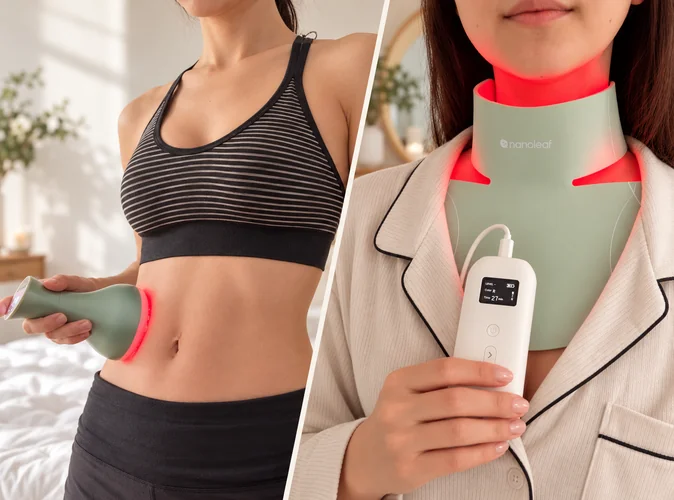

In-clinic skincare has long represented the highest standard of skin health — targeted treatments, medical-grade devices, and protocols designed to work beneath the surface of the skin, not just on it. But over the past few years, a quiet shift has been happening in the beauty and wellness space: the migration of clinic-level technology into the home.
I’ve always been drawn to skincare that feels intentional — not just another product added to a routine, but something that supports the skin over time. What once required a dermatologist’s office — from LED treatments to recovery-focused light exposure — is now becoming part of everyday skincare rituals.
At the center of this transition is one of the most talked-about modalities in modern skincare: light therapy.
What Light Therapy Actually Is
Light therapy, also known as LED (light-emitting diode) therapy, is a non-invasive treatment that uses specific wavelengths of light to interact with the skin at different depths. Rather than relying on topical ingredients alone, it delivers controlled light energy that supports cellular activity and skin function over time.
What makes light therapy different from traditional skincare is that it works through light rather than adding another active ingredient. Different wavelengths target different concerns, which is why professional treatments often combine multiple types of light depending on the goal.
Each wavelength corresponds to a different color of light:
- Blue Light (around 415nm): Primarily used for acne-prone skin, blue light targets acne-causing bacteria on the skin’s surface, helping reduce breakouts and congestion over time.
- Red Light (around 630–660nm): One of the most widely used wavelengths in both clinical and at-home devices. Red light penetrates deeper into the skin to support collagen production, reduce inflammation, and improve overall texture and firmness.
- Near-Infrared Light (around 800–850nm): The deepest penetrating wavelength commonly used in skincare devices. Near-infrared light works beneath the visible layers of skin to support cellular repair, circulation, and recovery.
Together, these wavelengths form the foundation of modern LED skincare — often layered depending on skin goals, intensity, and treatment duration.
Bringing Light Therapy Home: Nanoleaf’s Wellness Expansion
This is where Nanoleaf enters the conversation — not as a traditional skincare brand, but as a technology company redefining how light interacts with everyday life.
I’ve always believed lighting plays a bigger role in wellness than we give it credit for. The lighting around you can change the energy of a room, influence how you wind down at night, and shape how you move through your day.
Nanoleaf has built its identity around this idea. Known for its ambient smart lighting systems that transform mood, space, and atmosphere through customizable color and circadian-driven design, the brand has always treated light as more than something functional — it’s an experience.
Now, that same philosophy extends into personal wellness through LED light therapy devices designed for at-home skin and body recovery.
Rather than separating skincare, recovery, and environment into different categories, Nanoleaf brings them together through light — creating tools that fit into everyday routines rather than requiring a dedicated appointment.
The collection includes three different formats:
- LED Light Therapy Face Mask: Designed for full-face, hands-free treatment
- LED Therapy Wand: Designed for targeted treatment and specific skin concerns
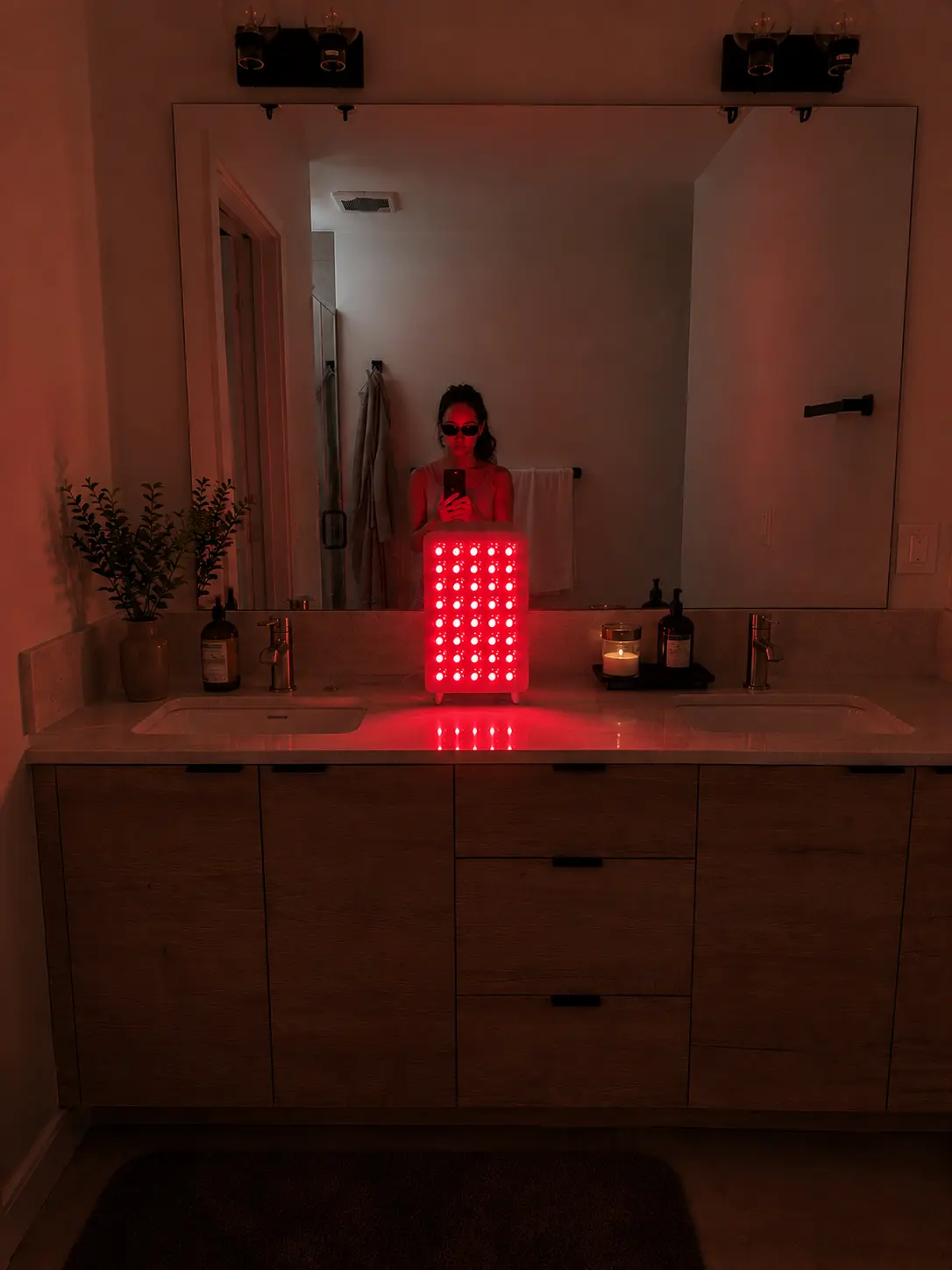
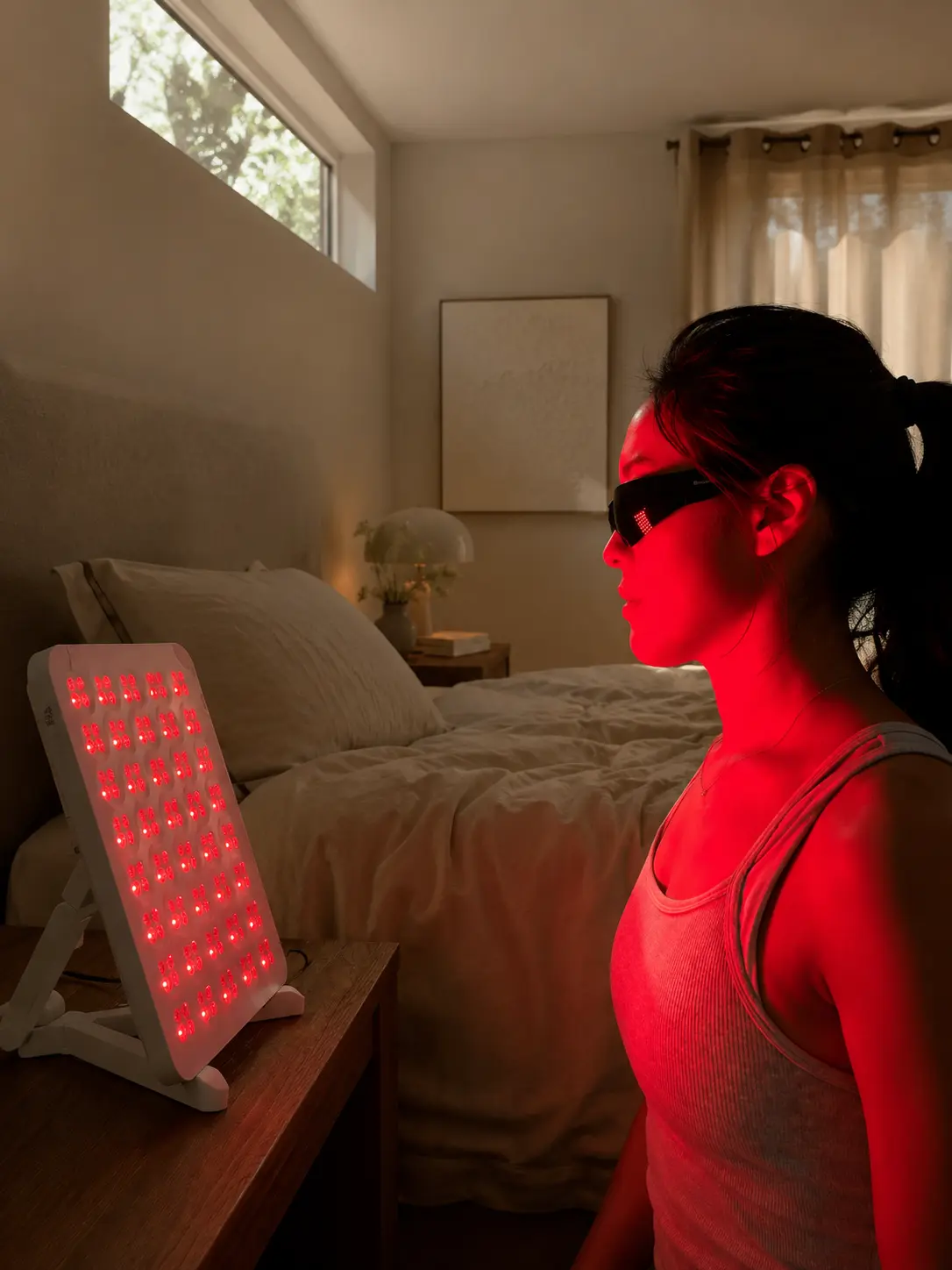
- LED Therapy Panel: Designed for broader exposure and full-body wellness moments
LED Light Therapy Face Mask: Full-Face, Hands-Free Treatment
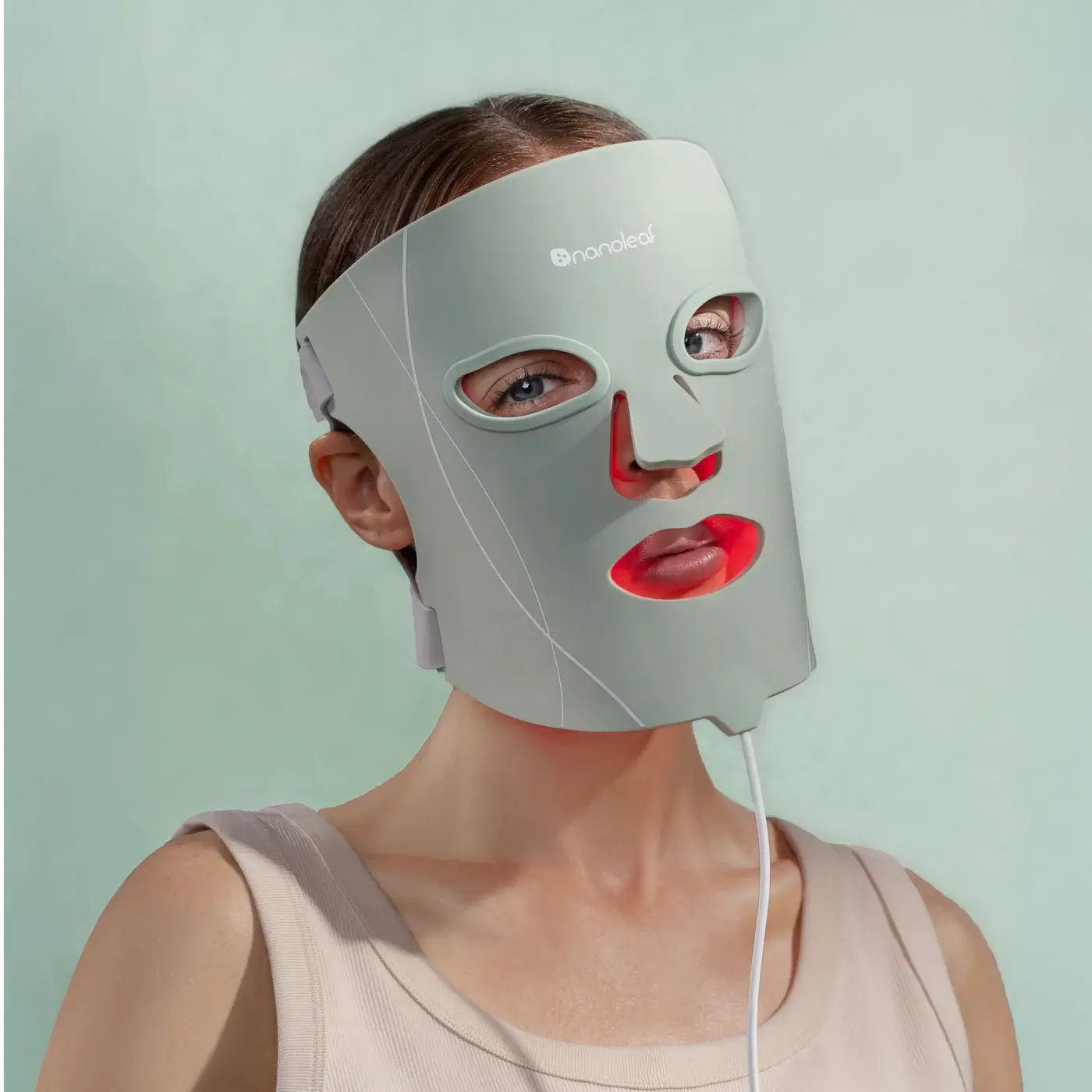
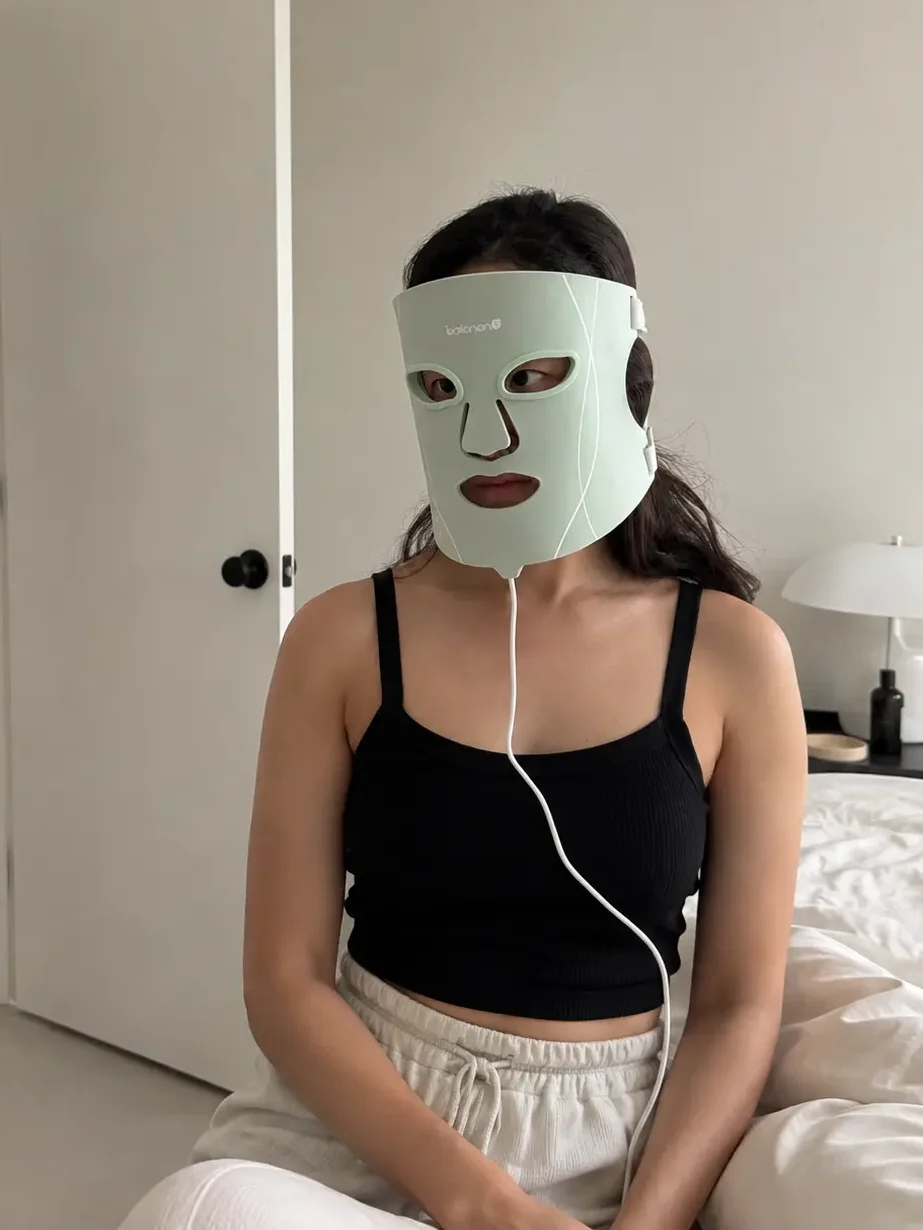
The LED Light Therapy Face Mask is the most structured and routine-driven device in the collection. Designed for full-face coverage, it delivers consistent wavelengths of red, blue, and near-infrared light in a format that allows you to completely relax while it works.
What I like most about the mask is the convenience. The hardest part of any skincare routine is often consistency — and a hands-free device removes the friction of having to actively do something.
For me, it naturally fits into that reset moment after a shower. Once I’ve washed my face, cleaned up the bathroom countertop, put clothes into the hamper, and everything feels refreshed, I’ll put on the mask and let those 10 minutes happen in the background.
It doesn’t feel like another task to complete. It feels like a small transition between being busy and taking care of myself.
- Full-face LED coverage for even treatment
- Multi-wavelength support (red, blue, near-infrared)
- Hands-free design that encourages consistency
- Built for short, repeatable daily sessions
Rather than feeling like a traditional skincare step, it becomes a built-in pause — a moment where I’m doing something for myself without needing to rearrange my day.
LED Therapy Wand: Targeted Precision Treatment
Where the mask is about consistency, the LED Therapy Wand is about flexibility and control. It’s designed for focused treatment — areas where skin needs more attention rather than full-face coverage.
This is the device I reach for when my skin feels unpredictable. Whether it’s a sudden pimple flare-up, congestion, redness, or a specific area that needs extra support, the wand feels like a more targeted approach.
I also love that it fits into moments that already exist. I’ll use it while reading a book, scrolling on my phone, or winding down at night. After a few reels or some quiet time, the treatment is already finished without feeling like I added another step into my routine.
One of the biggest advantages of the wand is its 6-mode LED system, allowing you to adjust based on what your skin needs:
- Red Light Mode: Supports collagen production and helps improve overall skin texture and firmness
- Blue Light Mode: Targets acne-causing bacteria, making it ideal for active breakouts and congestion
- Green Light Mode: Helps with uneven tone and redness, supporting a more balanced complexion
- Yellow Light Mode: Calms visible irritation and supports skin recovery after flare-ups
- Purple Light Mode: A combination of red and blue light, often used for breakout-prone skin that also needs repair support
- Cyan (Blue-Green) Light Mode: Focuses on soothing inflammation while supporting overall skin clarity and balance
Rather than replacing skincare, the wand feels like a responsive tool — something that adapts depending on what my skin needs that day.
- Targeted LED application for breakout-prone areas and uneven texture
- 6 adjustable light modes for different skin concerns and recovery needs
- Useful for pimple flare-ups, congestion, redness, and localized treatment
- Portable, easy-to-hold design for precise application
- Works seamlessly alongside existing skincare routines or in-between moments
LED Therapy Panel: Environmental Light as Treatment
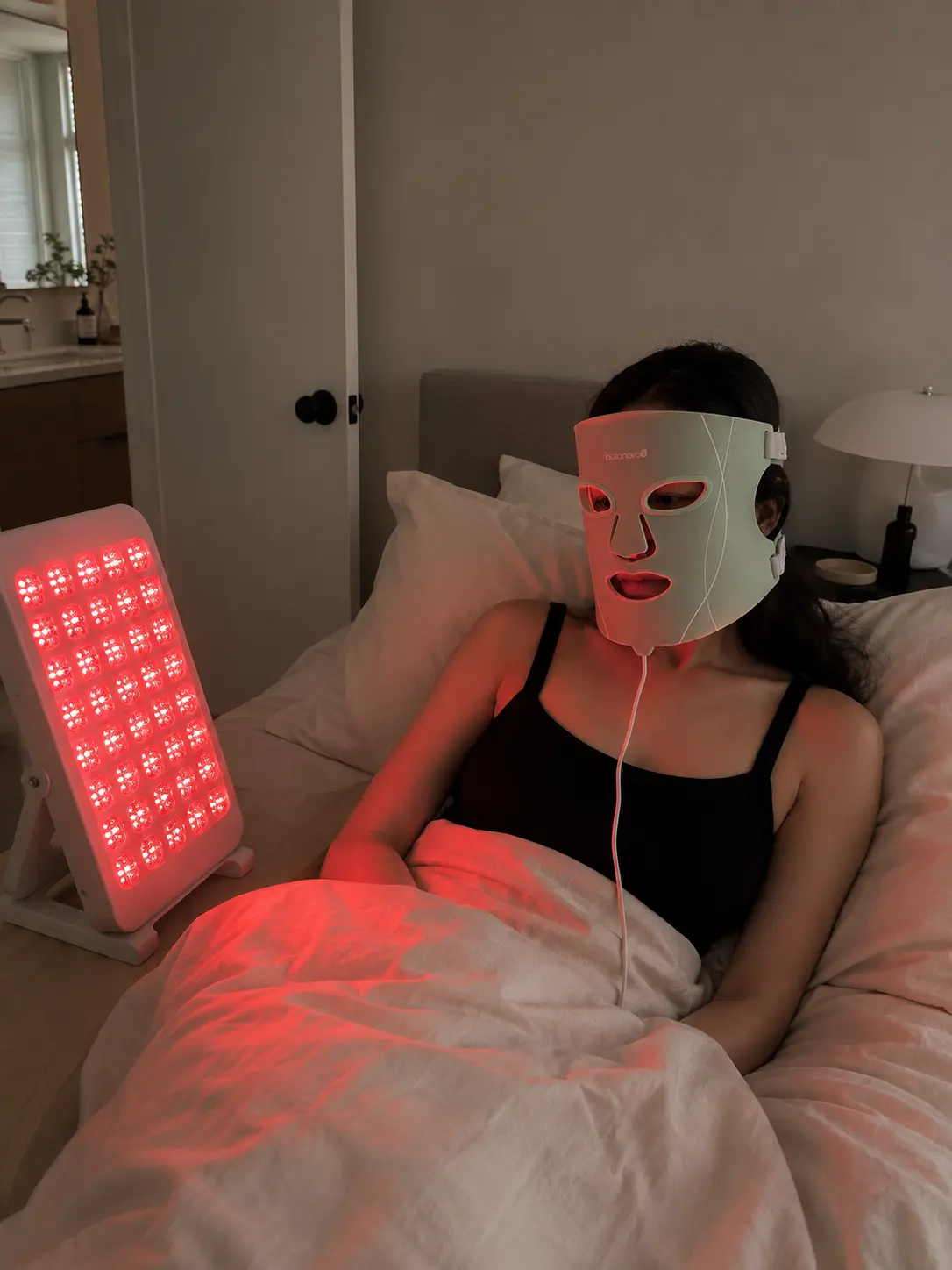
The LED Therapy Panel is the most expansive of the three — moving beyond facial care into upper-body and environmental wellness.
Unlike the mask and wand, which are more focused on skincare, the panel feels like a broader wellness tool. It creates a larger field of light exposure that can support recovery, relaxation, and body-focused routines.
This is the one I naturally gravitate toward in the morning. I like positioning it toward my upper body — especially around my neck and shoulders — while I sit on my vibration plate. It creates a routine that feels less like “doing skincare” and more like setting the tone for the day.
It combines movement, light, and a quiet moment before everything else starts.
- Broad light exposure for face and upper body
- Supports relaxation and recovery-focused routines
- Flexible placement for seated or stationary use
- Works well in combination with movement or grounding practices
Unlike the mask or wand, the panel isn’t just about the skin — it changes the feeling of the space around you and creates a more immersive wellness moment.
Final Thoughts
What stands out most with light therapy — and with Nanoleaf’s approach to it — is that while each device offers distinct benefits on its own, they are designed to be entirely complementary. The most effective routine isn’t about having to buy everything at once; it’s about choosing what fits your lifestyle, knowing you can easily layer them together to elevate your wellness goals.
The mask is ideal if you want something effortless that works in the background. The wand makes sense if your skin changes frequently and you want targeted support. The panel is perfect if your goal is more about recovery, relaxation, and creating a wellness ritual.
But the real difference-maker is consistency. Like most things in wellness, the benefit comes from small actions repeated over time. And that’s what I appreciate most about these devices — they don’t feel like another beauty tool to add to an already busy routine. They feel like a reminder to stop for a moment. Even if it’s only 10 minutes, taking that time to slow down, focus on yourself, and create a small act of care can shift the way you feel for the rest of the day.
In that sense, light therapy isn’t just about skin. It’s about creating a moment of self-care — and sometimes that mental reset is just as important as the skincare itself.