The way we eat, move, and care for ourselves has changed profoundly over the past decade. For many women today, life doesn’t pause, and the traditional rhythms of meals have shifted to match the pace of a busy, multi-faceted day. Between work, social obligations, fitness routines, and personal projects, the moments when we stop to nourish ourselves are often fleeting—and yet, the need to fuel our bodies remains constant.
This evolution has given rise to a subtle but meaningful cultural shift: the embrace of accessible, portable ways to support energy, recovery, and wellbeing. Plant-based protein options, in particular, reflect this change—not as a trend or a shortcut, but as an extension of a lifestyle that values flexibility, intention, and self-care in motion.
How Women Nourish Life on the Go
Protein has long been associated with gyms, weightlifting, and athletic performance, but its role in daily life is far broader. For women, adequate protein intake supports muscle maintenance, hormone regulation, skin and hair health, and even cognitive function. It also contributes to satiety, helping manage the fluctuations of energy that come with busy schedules.
Traditional sources of protein—animal products, complex meal prep, or powders—can feel rigid or cumbersome in a life that’s constantly in motion. Modern women are looking for solutions that respect their bodies and their time, and that integrate seamlessly into their day-to-day rhythm. In this context, accessible protein sources serve not just physical needs but also emotional and psychological ones, offering reassurance that self-care is possible even when life feels relentless.
Accessible Nutrition as a Reflection of Modern Life
Accessibility, in this sense, isn’t just about physical availability. It’s about nourishment that meets the body where it is, without requiring a pause or elaborate preparation. Protein drinks, portable snacks, and quick plant-based options exemplify this principle. Brands like Ripple and Huel, for example, offer plant-based protein products that are easy to carry, ready to drink, or simple to mix, allowing a woman to respond to her energy needs without guilt or delay.
This approach mirrors larger cultural shifts. Women today are redefining health, beauty, and wellness on their own terms. They’re seeking balance rather than perfection, choosing sustainability over convenience only when it aligns with lifestyle, and prioritizing functional, mindful nutrition rather than reactive dieting. Accessible protein is part of that conversation—it’s less about a trend and more about supporting everyday life in a way that feels intentional and adaptable.
Nutrition as Empowerment
Beyond practicality, accessible protein carries a deeper significance: it represents autonomy. Modern women navigate multiple responsibilities and expectations, often balancing career ambitions, family obligations, social lives, and personal growth simultaneously. In this context, being able to nourish oneself without constraint or disruption is a subtle, yet potent, form of empowerment.
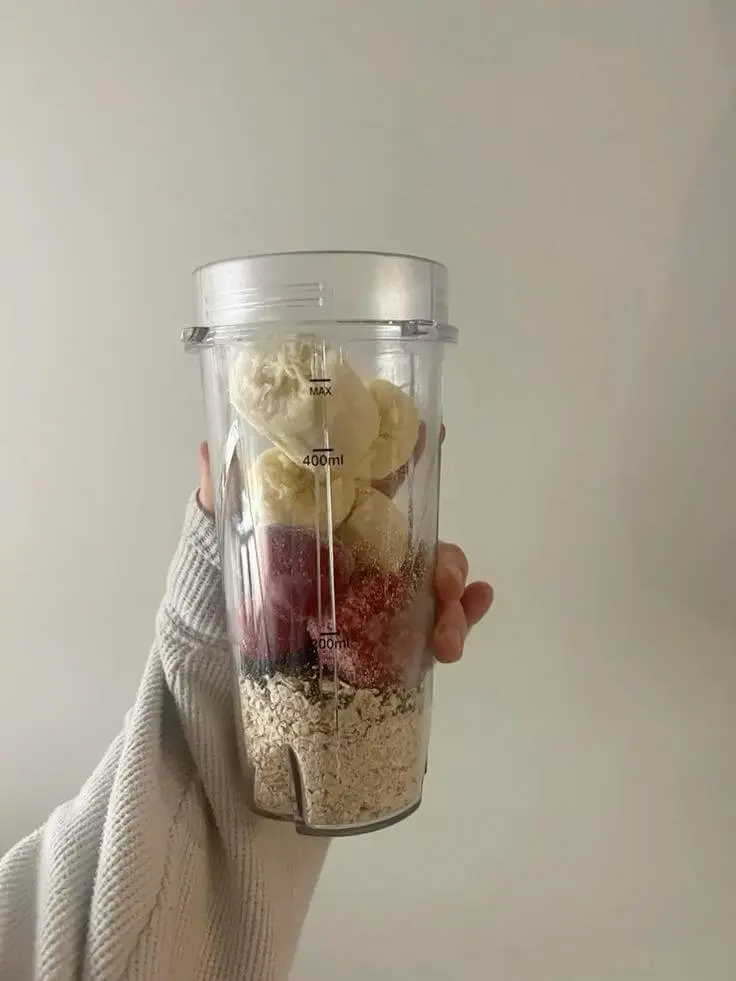
This accessibility is a reflection of agency—choosing when, how, and why to fuel the body. It’s a reminder that nourishment doesn’t need to be performative or perfect. It’s functional, responsive, and aligned with the demands of modern living. In these small acts, women reclaim space for themselves in a world that often asks them to be everywhere at once.
Plant-Based Protein and Holistic Wellbeing
Plant-based protein options also resonate because they integrate health, sustainability, and ethics into daily life. Women increasingly look for solutions that reflect their values: products that are minimally processed, ethically sourced, and mindful of environmental impact. Plant-based protein, often derived from legumes, seeds, and grains, offers a nutrient-dense alternative that supports both individual and planetary health.
This doesn’t mean that plant-based options are inherently “better,” but they do represent a conscious choice. In a world full of overwhelming options and conflicting advice, these accessible solutions allow women to make small, deliberate decisions that align with their principles, their energy needs, and the realities of their schedules.
The Ideal Way to Nourish Yourself
The perfect protein option isn’t about flashy claims or complicated preparation—it’s about simplicity, reliability, and thoughtful composition. It’s a drink that blends plant-based proteins from legumes, seeds, or grains, offering a complete nutrient profile that supports the body without feeling heavy or overly processed. Lightly sweetened or naturally flavored, it should feel approachable, easy to digest, and something you can incorporate into a busy day—whether it’s mid-morning, post-workout, or between meetings.
Most importantly, an ideal protein drink works with your lifestyle, not against it. It allows you to respond to your body’s needs in real time, offering nourishment without disrupting your flow or slowing your day. In other words, it turns small, portable acts of self-care into consistent support for energy, focus, and wellbeing.
To make it easier to see how these benefits play out, here’s a snapshot of the key ways protein can support a modern woman’s daily life:
Fuel for the Day
| Benefit | Why It Matters for Modern Women |
|---|---|
| Muscle Maintenance | Supports strength and mobility for busy, active lifestyles |
| Hormone Balance | Helps regulate energy, mood, and metabolism |
| Skin & Hair Health | Provides essential building blocks for tissue repair |
| Satiety & Energy | Keeps energy levels steady between meals |
| Mental Focus | Supports clarity and productivity throughout the day |
Why Drink Koia Resonates: Plant-Based Nutrition for Modern Life
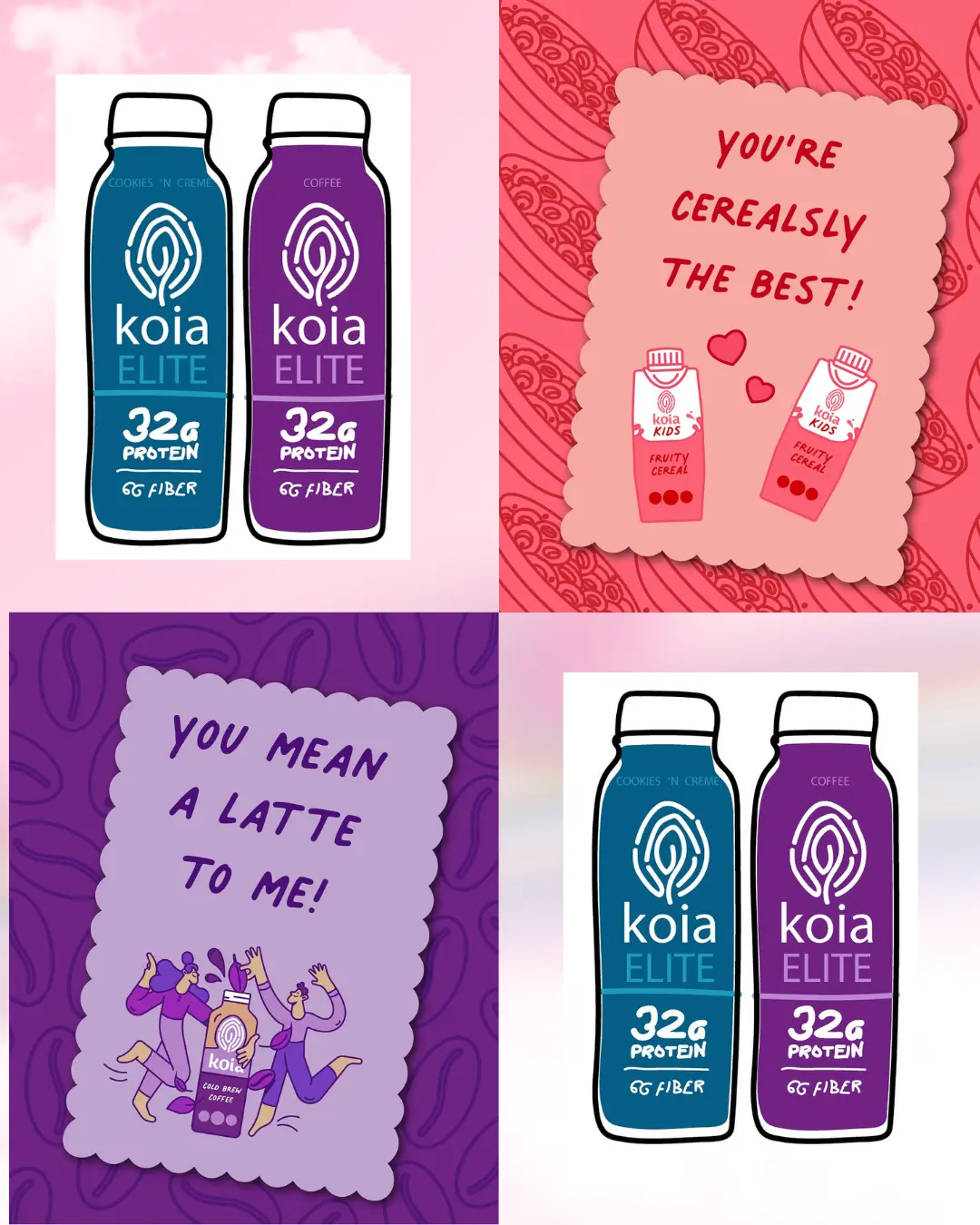
Drink Koia stands out because it reimagines what accessible, plant-based nutrition can look like. Founded with the belief that people deserve options that are both nutritious and enjoyable, the brand prioritizes clean, simple ingredients that support energy, recovery, and overall wellbeing. By focusing on plant-based protein blends like pea, rice, and chickpea, Drink Koia delivers complete nutrition in a drinkable, approachable form that fits seamlessly into a busy day.
Beyond the ingredients, the brand reflects a broader understanding of diverse nutritional needs. Its product lines cater to both casual consumers seeking everyday nourishment and those needing higher protein for athletic recovery, all while keeping sugar low and fiber included. This flexibility makes it relevant for women navigating different lifestyles, from hectic office schedules to active, on-the-go routines.
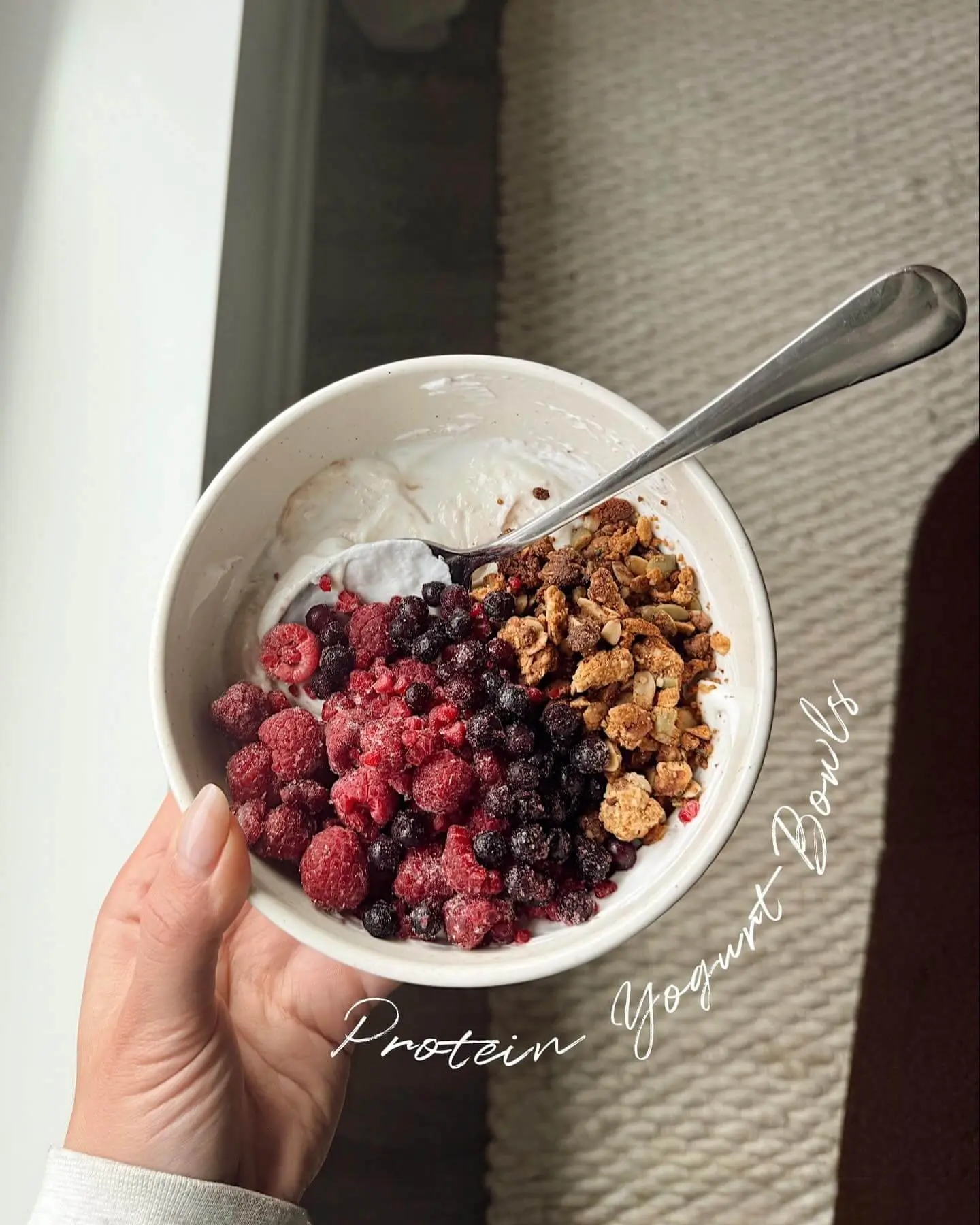
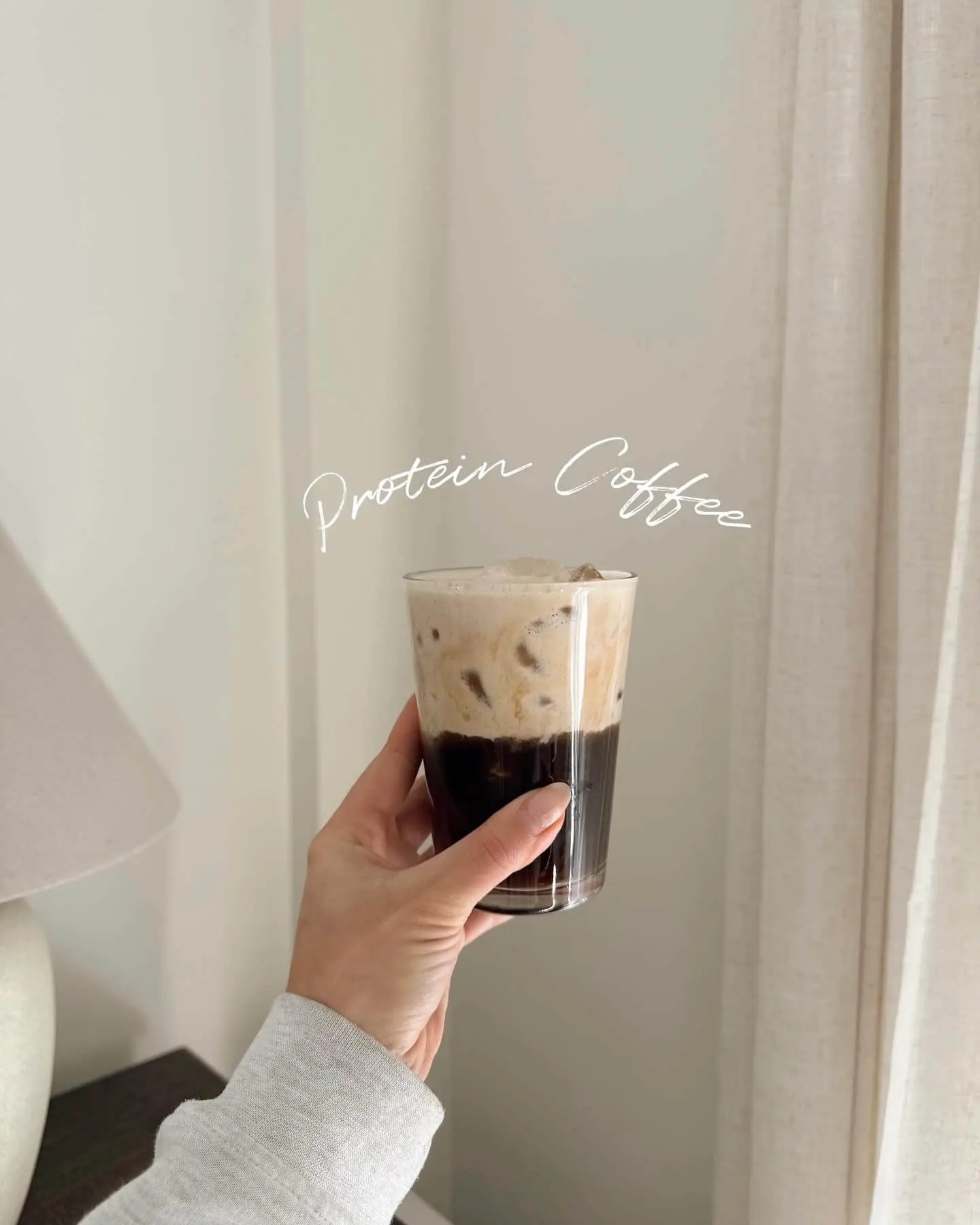
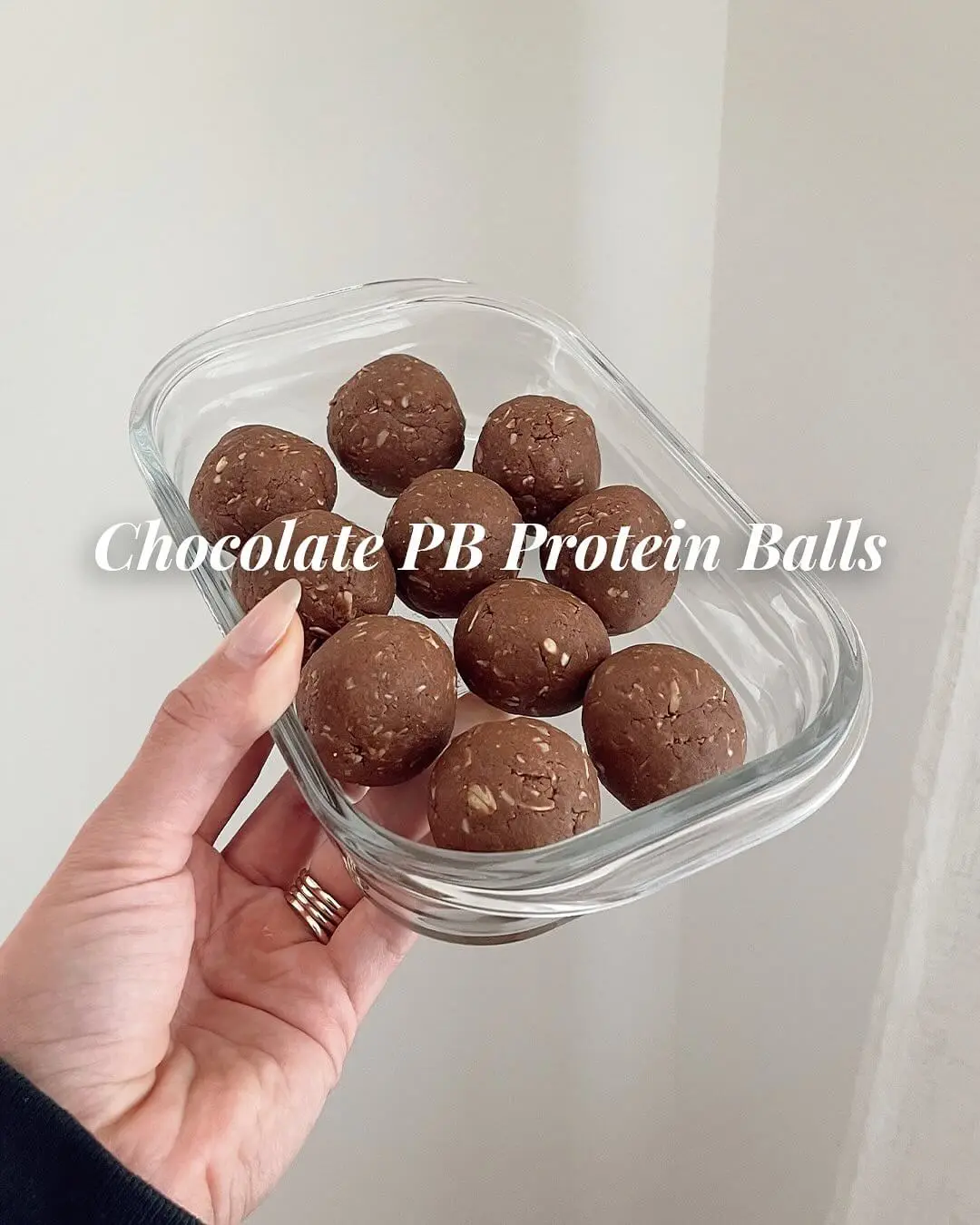
Accessibility is another key element of Drink Koia’s appeal. Its presence in grocery stores, coffee shops, and convenience locations nationwide means that functional, plant-based nutrition is no longer niche — it’s part of daily life. The brand’s availability encourages women to nourish themselves without disrupting their routines, turning small, portable acts of self-care into consistent support for energy and wellbeing.
Ultimately, Drink Koia resonates because it aligns with values many women hold: autonomy, intentionality, and care for the body. It doesn’t prescribe perfection or impose rules; it simply offers a tool that allows people to respond to their energy and nutritional needs thoughtfully. In doing so, it reflects a broader cultural shift toward nourishment that moves with life, supporting women in living fully and intentionally.
The Broader Cultural Message
The rise of accessible protein options reflects a broader cultural shift. Women today are reclaiming control over their bodies and their choices. They are redefining health as functional, flexible, and personal, rather than prescriptive or aesthetic. They are prioritizing nourishment that supports energy, focus, and vitality—choices that honor both body and mind.
Portable, accessible protein exemplifies this philosophy. It is not about convenience for convenience’s sake; it is about practical empowerment, mindful responsiveness, and intentional care. It allows women to assert agency over their energy, their nutrition, and their wellbeing, one small act at a time.
Conclusion: Nourishment That Moves With Life
Ultimately, the significance of accessible protein lies not in the product itself but in the lifestyle it supports. Life is rarely static, and the modern woman rarely pauses for long. Nutrition, therefore, must be flexible, portable, and responsive. Protein drinks, plant-based snacks, and other quick sources of nourishment are more than tools—they are reflections of a new approach to wellbeing: one that values intention over ritual, presence over perfection, and care that moves with life, not against it.
In embracing accessible nutrition, women are asserting that self-care doesn’t need to be complicated. It can be quiet, seamless, and immediate—yet still profoundly empowering. In the rhythm of a busy day, these small acts of nourishment are reminders that the body matters, even when life doesn’t stop.