
Golf is one of the few sports you can play for a lifetime. But longevity in golf doesn’t happen by accident. It’s built through smarter practice, intentional training, and a deep understanding of how your body and swing work together. If the goal is to help him play better, score lower, and still feel strong years from now, the approach has to go beyond just hitting balls.
The modern golfer is no longer just a range rat. Today’s best players — from weekend amateurs to the world’s elite — combine structured practice, golf-specific fitness, and performance data to improve efficiently and protect their bodies. This philosophy is exactly why platforms like GolfForever and tools like the Rapsodo golf launch monitor have become essential in the long-term development of the game.
This guide centers around golf improvement with longevity in mind: how to practice correctly, train the right muscles, avoid injury, and build a repeatable swing that holds up over time.
Why Smarter Practice Leads to Lower Scores
Most golfers want immediate results, but the biggest gains come from consistent, intentional practice. Smarter practice means fewer wasted swings and more clarity on what actually moves the needle.
Effective golf practice focuses on:
- Swing efficiency over brute force
- Repetition with feedback
- Training habits that protect joints and muscles
- Long-term performance, not short-term fixes
Longevity-focused practice helps golfers maintain speed, accuracy, and confidence without overuse injuries or burnout.
Even the Best in the World Train This Way

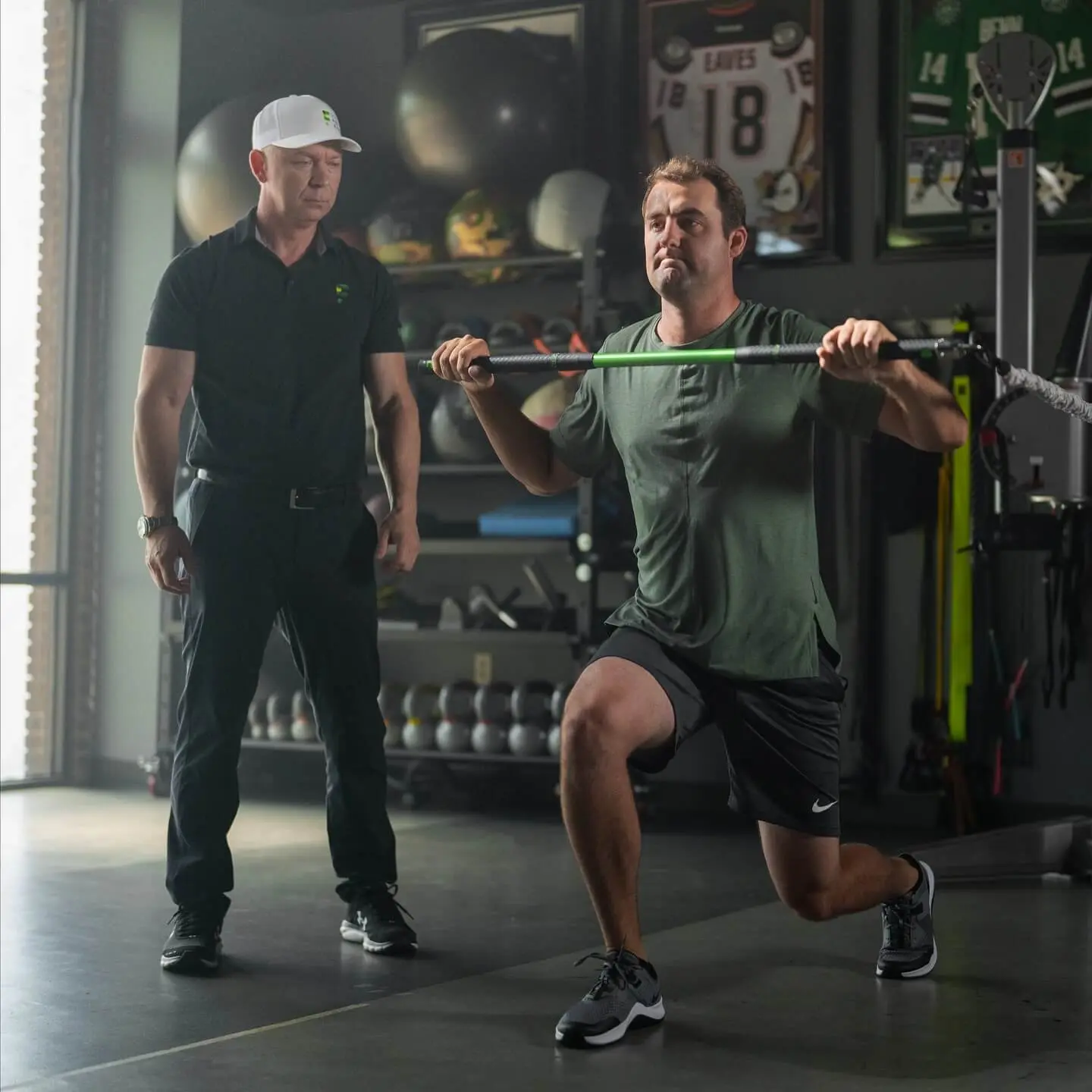
The idea of combining golf fitness, mobility, and swing efficiency isn’t new — it’s how the modern game is played at the highest level. World number one golfer Scottie Scheffler is a great example of this evolution.
Scheffler is known not just for elite ball striking, but for his durability, consistency, and ability to perform week after week. His success is tied to:
- Golf-specific strength training
- Core stability and rotational power
- Movement patterns that reduce stress on the lower back and hips
- A swing built for repeatability, not max effort
This same philosophy scales perfectly to everyday golfers. You don’t need to train like a tour pro, but training with the same principles leads to better performance and a healthier body.
Golf Is a Core-Heavy Sport (and That’s Where Injuries Start)
The golf swing is a full-body movement driven by the core. Every swing relies on rotational force, balance, and stability. Without proper conditioning, golfers often compensate with their lower back, shoulders, or wrists — which is why injuries are so common.
Common golf injuries linked to poor training:
- Lower back strain
- Hip tightness and labrum stress
- Shoulder impingement
- Elbow and wrist pain
Longevity in golf starts with recognizing that core strength and mobility are non-negotiable.
Why Core Training Is Essential for Golf Longevity
A strong, mobile core allows golfers to:
- Generate power without overswinging
- Maintain posture throughout the swing
- Transfer energy efficiently from the ground up
- Reduce stress on the spine and joints
For a deeper breakdown of golf-specific core training and how it directly translates to longer drives and safer swings, this guide on golf workouts for longer drives is an excellent reference:
https://peakandpick.com/golf-workouts-for-longer-drives/
GolfForever: Training for Performance and Longevity
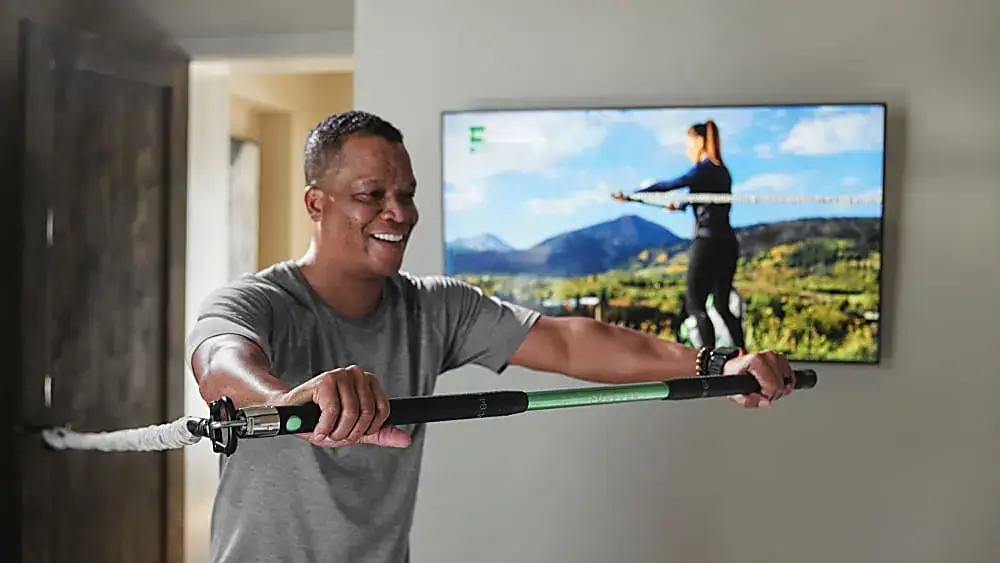
GolfForever has built its reputation around one central idea: golfers need structured, intentional training to play better for longer. Rather than chasing quick fixes, GolfForever focuses on movement quality, strength, and durability — the same foundations used by elite players.
What makes GolfForever stand out for longevity-focused golfers:
- Emphasis on core strength and rotational control
- Training tools that reinforce proper movement patterns
- Programs designed to reduce injury risk while improving power
- A system that complements practice instead of replacing it
One of the most effective ways to tie physical training into your game is by using GolfForever tools during warmups and structured training sessions. These tools are designed to reinforce the exact movements that show up in a proper golf swing, helping the body learn how to rotate, stabilize, and transfer power safely.
When used consistently, GolfForever training supports:
- Controlled rotation through the torso and hips
- Balance and stability during the backswing and follow-through
- Proper muscle engagement patterns that protect the lower back and shoulders
Over time, this type of golf-specific conditioning builds a swing that feels smoother, more connected, and far less taxing on the body — a critical factor for golfers who want to play well not just this season, but for decades.
But physical readiness is only one part of sustainable improvement.
Once the body is moving better, golfers need a way to confirm that those improvements are translating into better ball striking and smarter swing mechanics. Without feedback, even well-trained golfers can fall back into old habits without realizing it.
Why Data Matters More as Golfers Focus on Longevity
As golfers age and prioritize long-term performance, understanding swing data becomes increasingly important. Guessing leads to frustration, unnecessary swing changes, and often overcompensation — which is one of the fastest paths to injury. Data, on the other hand, creates clarity and confidence.
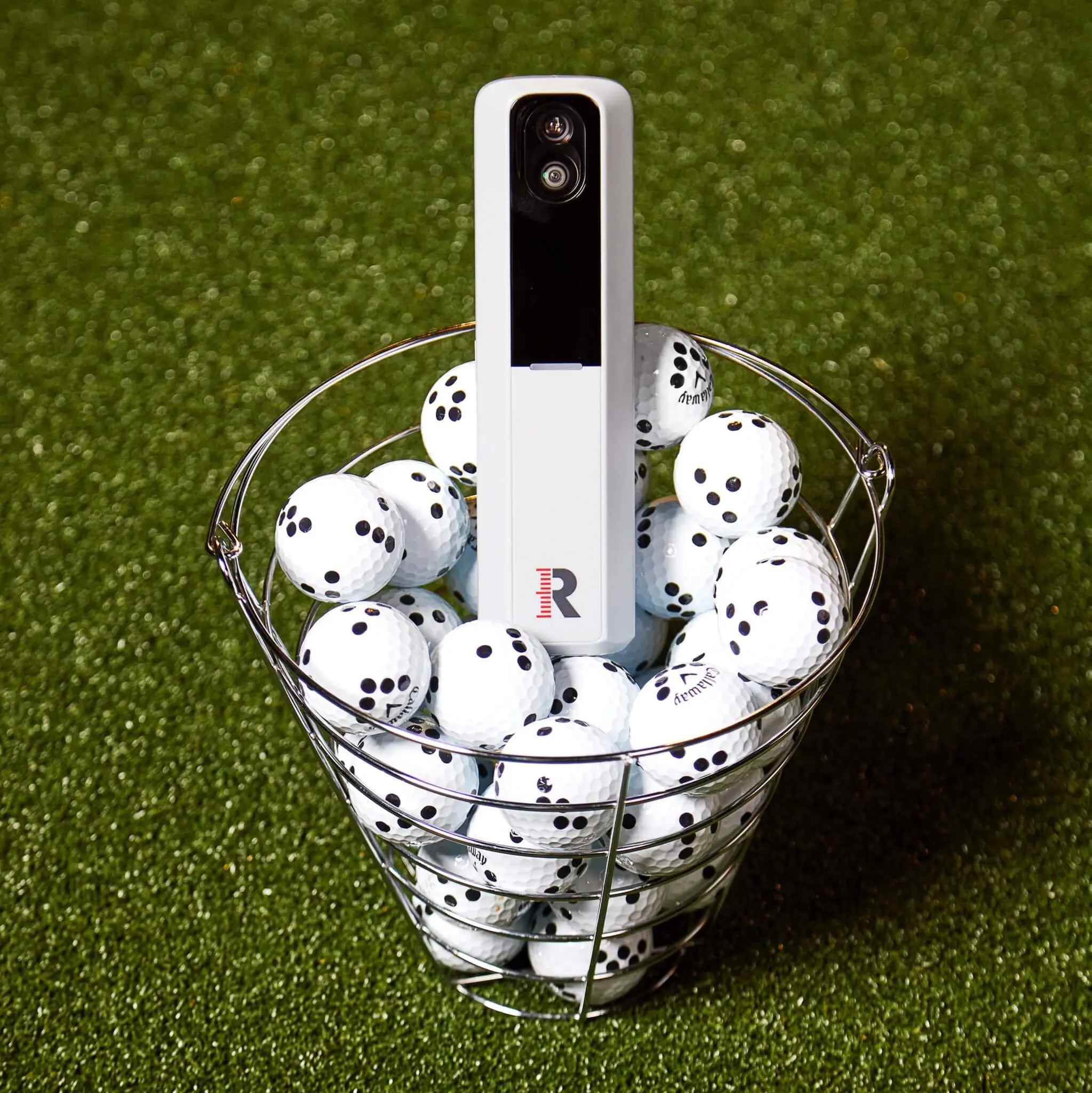
This is where the Rapsodo golf launch monitor becomes a critical practice companion.

By pairing improved movement from GolfForever training with real-time swing and ball data, golfers can see exactly how their body changes affect:
- Launch conditions
- Spin rates
- Swing path efficiency
- Shot consistency over time
Instead of chasing feel alone, golfers begin to practice with purpose — making smaller, safer adjustments that protect the body while steadily improving performance. This combination of physical preparation and data-driven feedback is what allows golfers to play better now while preserving their game for the long run.

- Identify inefficiencies early
- Avoid compensations that lead to injury
- Make small adjustments with measurable results
Key Golf Metrics That Improve Longevity and Performance
| Data Point | Why It Matters for Long-Term Golf |
|---|---|
| Launch Angle | Optimizes distance without overswinging |
| Spin Rate | Controls ball flight and landing consistency |
| Swing Path | Reduces strain caused by poor mechanics |
| Ball Speed | Improves efficiency, not brute strength |
| Shot Dispersion | Tracks consistency and accuracy |
Using a Rapsodo golf launch monitor regularly allows golfers to improve with intention, not guesswork. Over time, this leads to better habits, fewer swing compensations, and a more reliable game.
Building a Longevity-Focused Practice Routine
Here’s what a balanced, longevity-driven golf routine looks like when practice, training, and data work together.
Weekly Golf Longevity Framework
| Day | Focus | Purpose |
|---|---|---|
| Day 1 | Data-driven range session | Track launch, spin, and dispersion |
| Day 2 | GolfForever core training | Build strength and protect joints |
| Day 3 | Short game practice | Lower scores with less physical strain |
| Day 4 | Mobility and recovery | Maintain flexibility and swing freedom |
| Day 5 | Full swing + light data check | Reinforce efficient movement |
This approach reduces wear and tear while steadily improving performance.
Practice Tips That Support Long-Term Golf Health
- Warm up before every session with dynamic movement
- Train rotation, not just strength
- Use data to guide adjustments instead of forcing changes
- Avoid overswinging to chase distance
- Prioritize recovery just as much as practice
Golfers who focus on longevity often find that their swing becomes more repeatable, their scores stabilize, and their enjoyment of the game increases.
The Long Game: Playing Better Golf for Years to Come
Scoring lower isn’t just about today’s round — it’s about building a game that holds up over decades. By following the same principles used by elite players like Scottie Scheffler, everyday golfers can improve smarter, not harder.
When you combine:
- Structured, intentional practice
- Golf-specific core training from GolfForever
- Data-driven feedback from a Rapsodo golf launch monitor
- A mindset focused on longevity and efficiency
you create a system that supports better golf now and for the long haul.
Helping him play better starts with helping him practice right, train smarter, and protect his body — so golf remains something he loves, not something that wears him down.