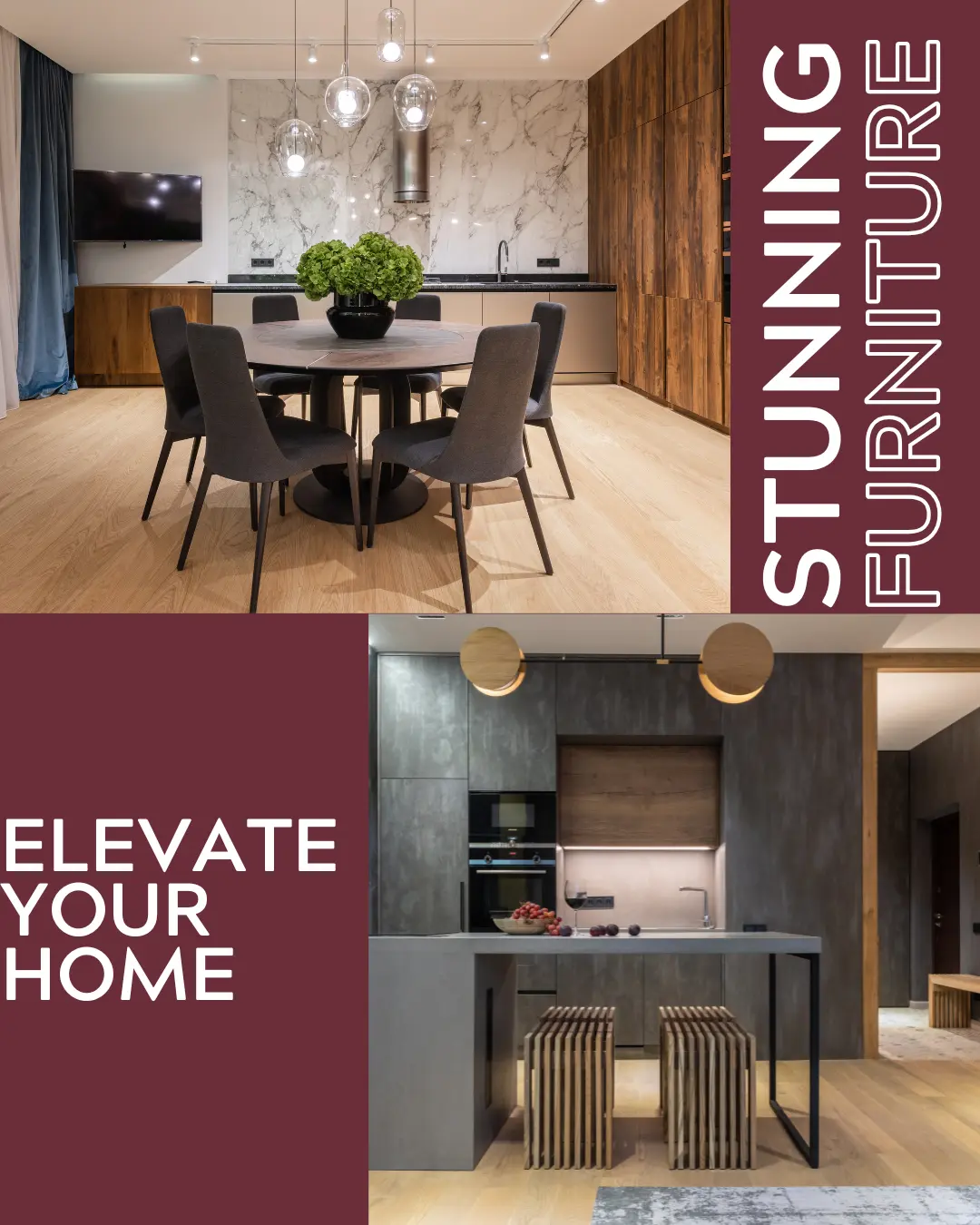

Furniture rarely announces itself. It doesn’t demand attention the way architecture or art does, yet it quietly dictates how we move through our days. Where we sit, how we rest, where we gather, and how we focus are all shaped by the objects that hold our bodies and belongings. Furniture is not decoration—it is infrastructure for daily life.
What makes furniture so powerful is its subtlety. A room can look beautiful in photographs, but if the furniture doesn’t support the way someone actually lives, the space never fully works. Over time, we begin to understand that furniture choices are not just practical decisions; they are personal ones.
The Heart of Home: How Furniture Shapes a Woman’s Sanctuary
Furniture matters to a woman because her home is more than just a place to live—it’s her sanctuary, a safe space where she can recharge, reflect, and truly be herself. Every piece of furniture she chooses becomes an extension of her personality and taste, allowing her to design a space that feels authentically hers.
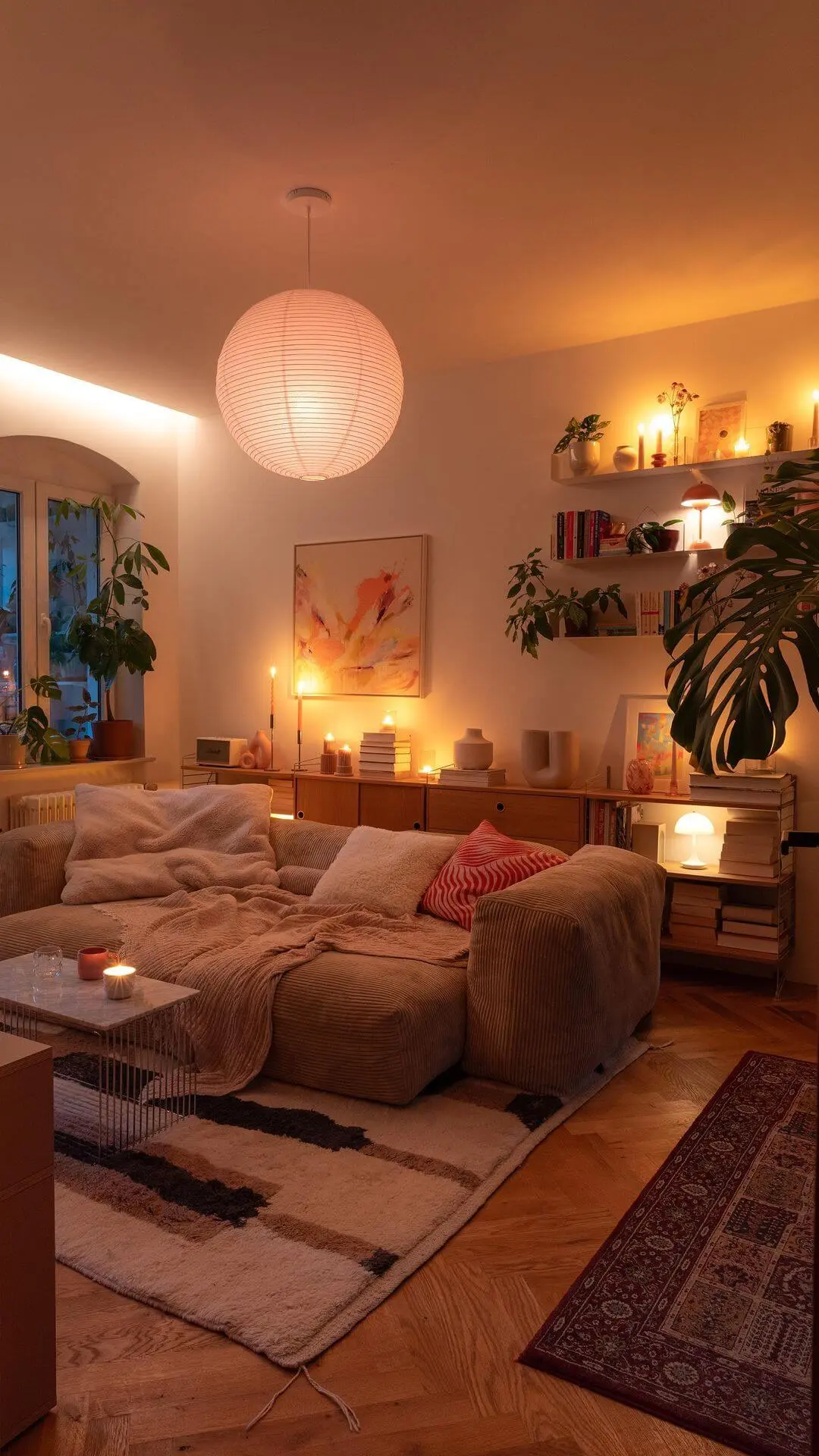
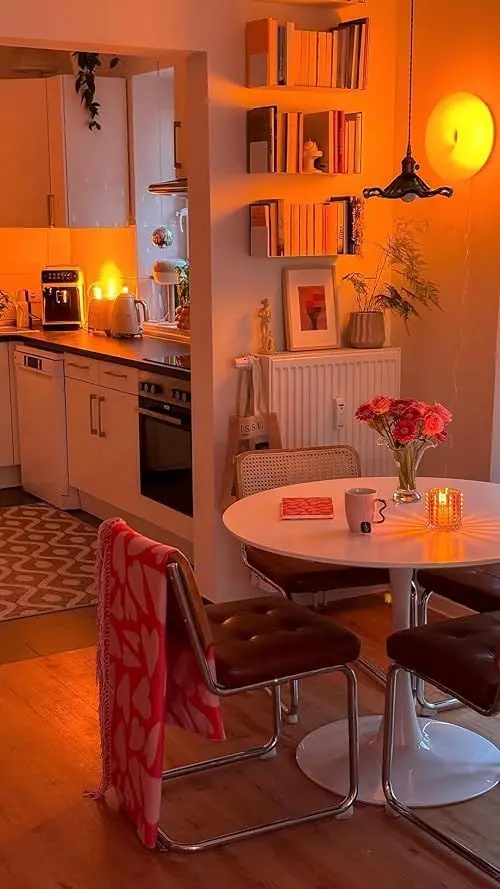
Beyond aesthetics, the energy of a home is subtly shaped by its decor and furnishings; thoughtfully selected pieces can create warmth, comfort, and harmony, while clutter or mismatched items can disrupt the flow. By curating furniture that speaks to her style and needs, a woman not only elevates the beauty of her home but also nurtures the emotional energy that makes it a haven.
The Aesthetic Question: What a Space Is Saying
Every piece of furniture carries an aesthetic message. Clean lines suggest order. Natural wood tones convey warmth. Industrial materials communicate strength and structure. Soft curves introduce ease. Even when we don’t consciously register these signals, we respond to them emotionally.
This is why aesthetic alignment matters. When furniture reflects personal taste, a space feels coherent and grounding. When it doesn’t, the room feels unsettled—even if everything technically “matches.”
Brands like West Elm and IKEA have long understood this dynamic. Their popularity isn’t only about price or convenience; it’s about offering visual languages people can recognize themselves in. Furniture becomes a way to express values—simplicity, functionality, creativity, balance—without saying a word.
Furniture as a Framework for Living
We often think of furniture as static, but it’s deeply dynamic. It shapes routines and behaviors in quiet ways:
- A desk positioned near a window encourages longer periods of focus
- A dining table with generous space invites slower meals and conversation
- Storage that’s thoughtfully designed reduces daily friction and stress
Over time, furniture choices influence how spaces are used, not just how they look. The difference between a room that is merely occupied and one that is truly lived in often comes down to how well the furniture supports real habits.
Why Thoughtful Furniture Matters
Below is a simple breakdown of how intentional furniture choices affect everyday life:
| Aspect of Life | Role of Furniture |
|---|---|
| Emotional well-being | Creates comfort, familiarity, and a sense of belonging |
| Productivity | Supports focus, posture, and workflow |
| Self-expression | Reflects personal taste and identity |
| Daily rhythm | Shapes routines and transitions throughout the day |
| Longevity of space | Reduces the urge to constantly replace or redesign |
Furniture that aligns with lifestyle reduces resistance. It allows life to unfold more naturally within a space.
Furniture and the Modern Female Experience
For many women, living spaces are layered. Homes are offices, creative studios, places of rest, and social hubs—often all at once. Furniture must respond to that complexity.
A desk might be used for work in the morning and personal projects at night. A dining table might host both family meals and solo planning sessions. Storage solutions often carry emotional weight, holding not just objects but memories, goals, and transitions.
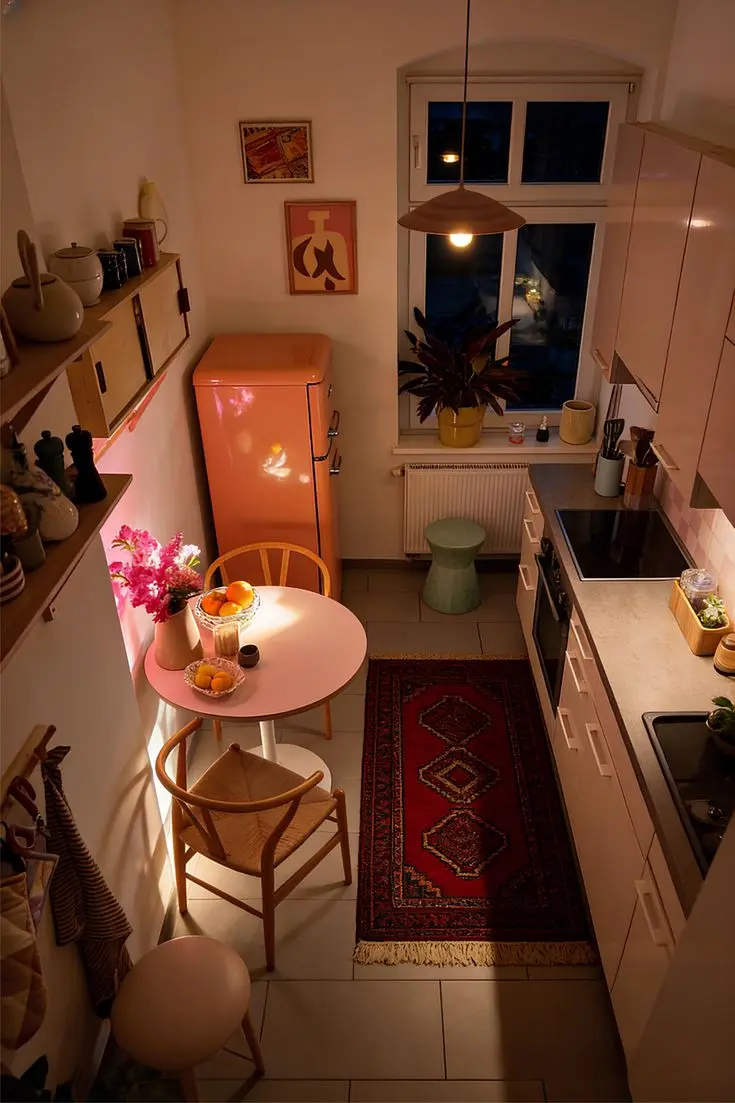
In this context, furniture becomes less about perfection and more about adaptability. Aesthetic choices are not about impressing others but about creating environments that feel supportive and intuitive.
When furniture resonates visually and functionally, it supports autonomy. It allows women to shape spaces that respond to their needs rather than forcing themselves to adapt to rigid designs.
The Quiet Role of Brands in Shaping Spaces
Furniture brands inevitably influence how people imagine their homes. Some lean into trend cycles; others prioritize longevity and flexibility. Tribesigns, for example, often appears in conversations around modern home and workspace design because its pieces sit comfortably between form and function.
Rather than dominating a room, the aesthetic language tends to be understated—clean structures, balanced proportions, materials that feel grounded. This makes the furniture adaptable across different life stages and spaces, whether that’s a home office, a shared living area, or a personal retreat.
In this way, Tribesigns fits into a broader movement toward furniture that supports evolving lifestyles rather than fixed ideals.
Aesthetic as Emotional Architecture
The way a space feels is often more important than how it looks. Furniture plays a central role in that emotional architecture. A room filled with pieces chosen intentionally feels calmer. More coherent. More honest.
This is especially important in a world where much of life feels fragmented. When furniture choices align with personal aesthetics, the home becomes a stabilizing force—a place where identity feels continuous even as life changes.
Moving Away From Disposable Design
There’s also a growing awareness around sustainability and consumption, especially when it comes to the spaces we live in every day. Furniture, once treated as disposable or trend-driven, is increasingly being reconsidered as something meant to last—not just physically, but emotionally. Choosing furniture thoughtfully, with attention to both aesthetic and function, naturally slows the cycle of constant replacement. When a piece feels right—when it fits the space, supports daily habits, and resonates visually—it stops feeling temporary.
Furniture that aligns with who we are doesn’t create the urge to upgrade at the first sign of a new trend. Instead, it becomes familiar. It earns wear. Scratches turn into stories, not flaws. A desk bears the marks of long hours and evolving goals. A table becomes tied to seasons of life, gathering moments that accumulate meaning over time. Living with furniture rather than cycling through it fosters a deeper relationship with our environment—one rooted in use rather than novelty.
Closing Thoughts
Furniture may not speak loudly, but it speaks constantly. It shapes how we experience time, space, and ourselves. When chosen with care—especially with an eye toward aesthetic alignment—furniture becomes more than background. It becomes a partner in daily life.
For women navigating layered roles and evolving routines, furniture that feels both functional and expressive offers something rare: quiet support. Not demanding attention, not chasing trends—just making space for life to happen as it is.
And in the end, that may be the most important role furniture plays: not defining who we should be, but giving us room to be exactly who we are.