Electric bikes didn’t become popular with women because of performance specs or tech novelty. They caught on because they solved problems women were already managing every day—time pressure, layered responsibilities, and the constant tradeoff between convenience and movement.
For many women, an electric bike didn’t feel like a lifestyle upgrade. It felt like a correction. A way to move through daily life without turning every errand or commute into a decision that required planning, parking, or recovery time.
Brands like Aventon, Specialized, Trek, and VanMoof have helped normalize electric bikes as everyday transportation, but it’s women who’ve transformed them into something more essential: a practical, confidence-building tool for modern life.
Everyday Movement That Actually Fits Women’s Lives
Daily movement rarely happens in clean, predictable lines. It stretches across errands, workdays, caregiving, social plans, and the moments in between. Traditional transportation tends to assume point-A-to-point-B travel. Electric bikes thrive in the middle.
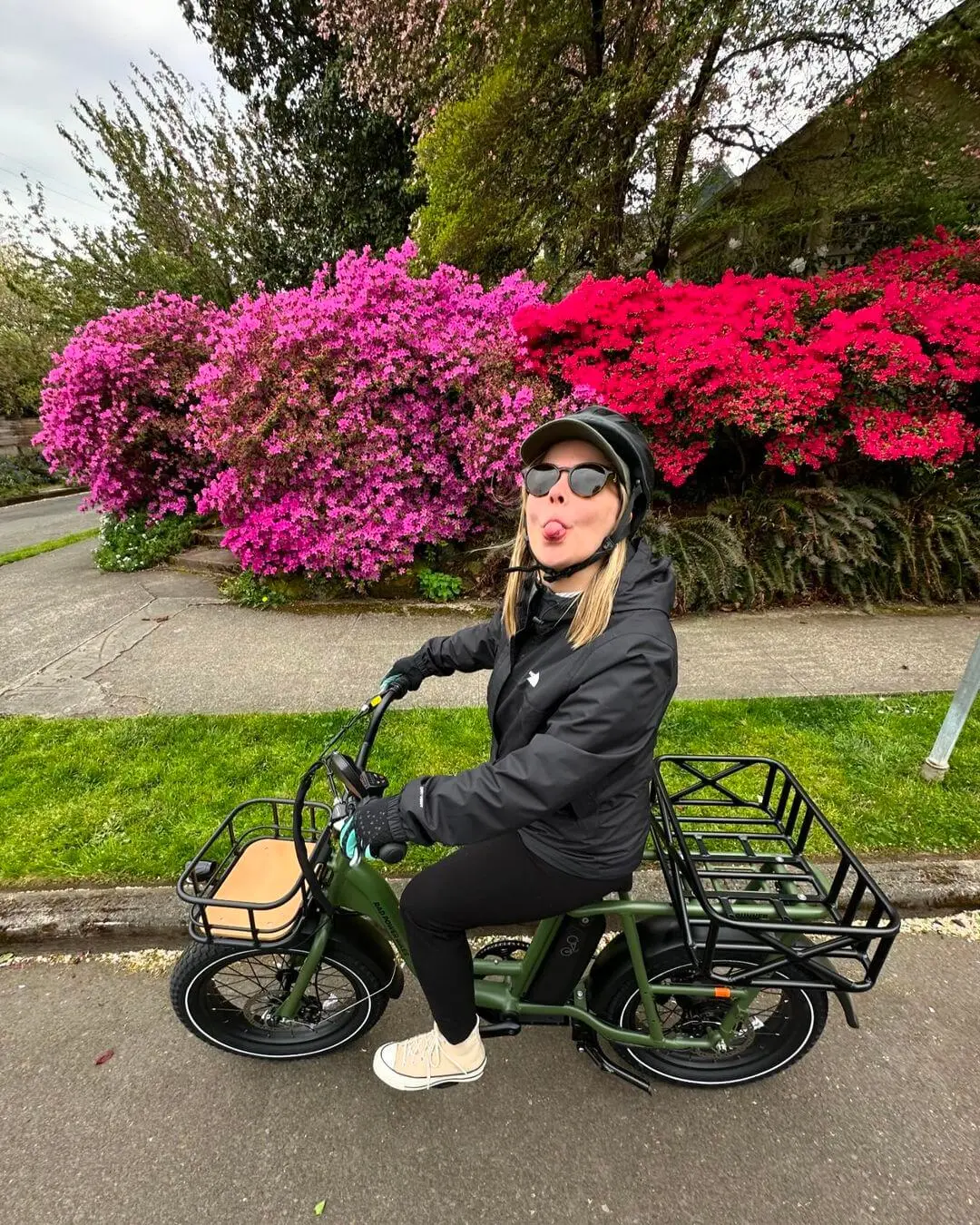
Pedal assist removes the mental math of hills, wind, and distance. Short trips no longer feel too small to justify driving or too long to walk. Longer trips don’t require outfit changes or recovery time. Movement becomes integrated rather than scheduled.
For many women, this is the difference between movement feeling optional and movement feeling natural.
Confidence Over Performance (The Real Adoption Driver)
One of the biggest reasons electric bikes resonate with women has little to do with speed and everything to do with confidence.
Modern electric bikes are more stable at low speeds, easier to mount and dismount, and designed to carry weight without throwing off balance. Step-through frames, upright riding positions, predictable acceleration, and wider tires all reduce anxiety—especially in traffic or stop-and-go city riding.
Performance-first brands like Specialized and Trek often speak to riders who already identify as cyclists. Others have leaned into sleek, minimalist urban aesthetics. But for many women, the most important factor is whether the bike feels usable and forgiving in everyday situations, not ideal conditions.
Why Electric Bikes Replace More Trips Than Expected
Women who adopt electric bikes often report using them far more than they planned. What starts as a commuting solution quickly expands into grocery runs, school drop-offs, coffee breaks, and last-minute errands.

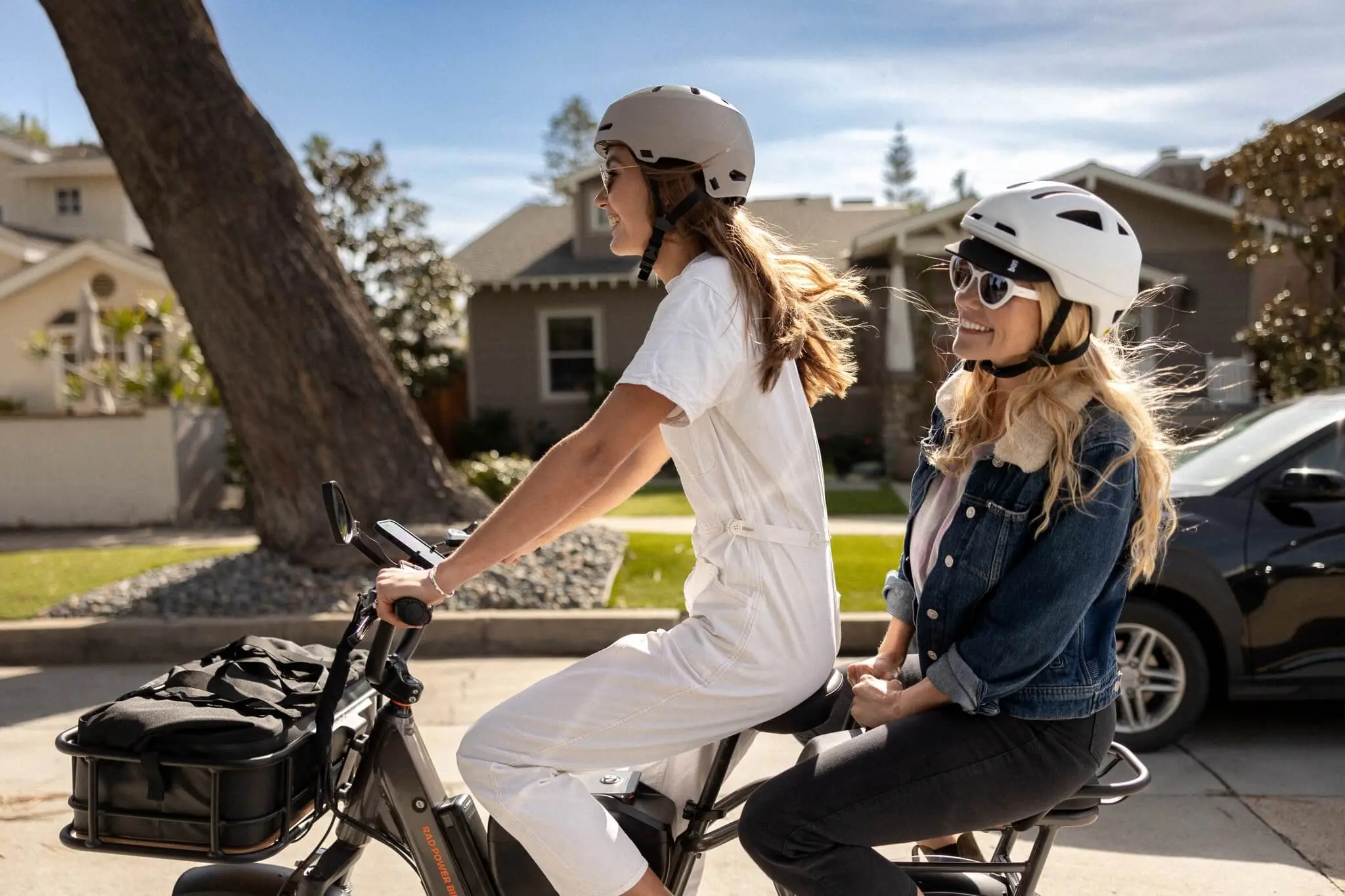
The reason is simple: electric bikes remove friction without adding effort.
Compared to driving, they eliminate parking stress, traffic delays, and the mental weight of short car trips. Compared to traditional bikes, they preserve energy and make riding in everyday clothing practical. The result is a mode of transportation that feels supportive rather than demanding.
| Daily Need | Electric Bike | Car | Traditional Bike |
|---|---|---|---|
| Short errands | Fast, low friction | Parking-heavy | Physically taxing |
| Carrying bags | Built-in support | Easy, but costly | Awkward |
| Riding in work clothes | Comfortable | Comfortable | Often impractical |
| Stop-and-go travel | Smooth assist | Stressful | Fatiguing |
| Energy after arrival | Preserved | Neutral | Drained |
Electric bikes don’t ask women to optimize. They adapt to whatever the day requires.
Why Rad Power Bikes Keeps Coming Up in Women’s Conversations
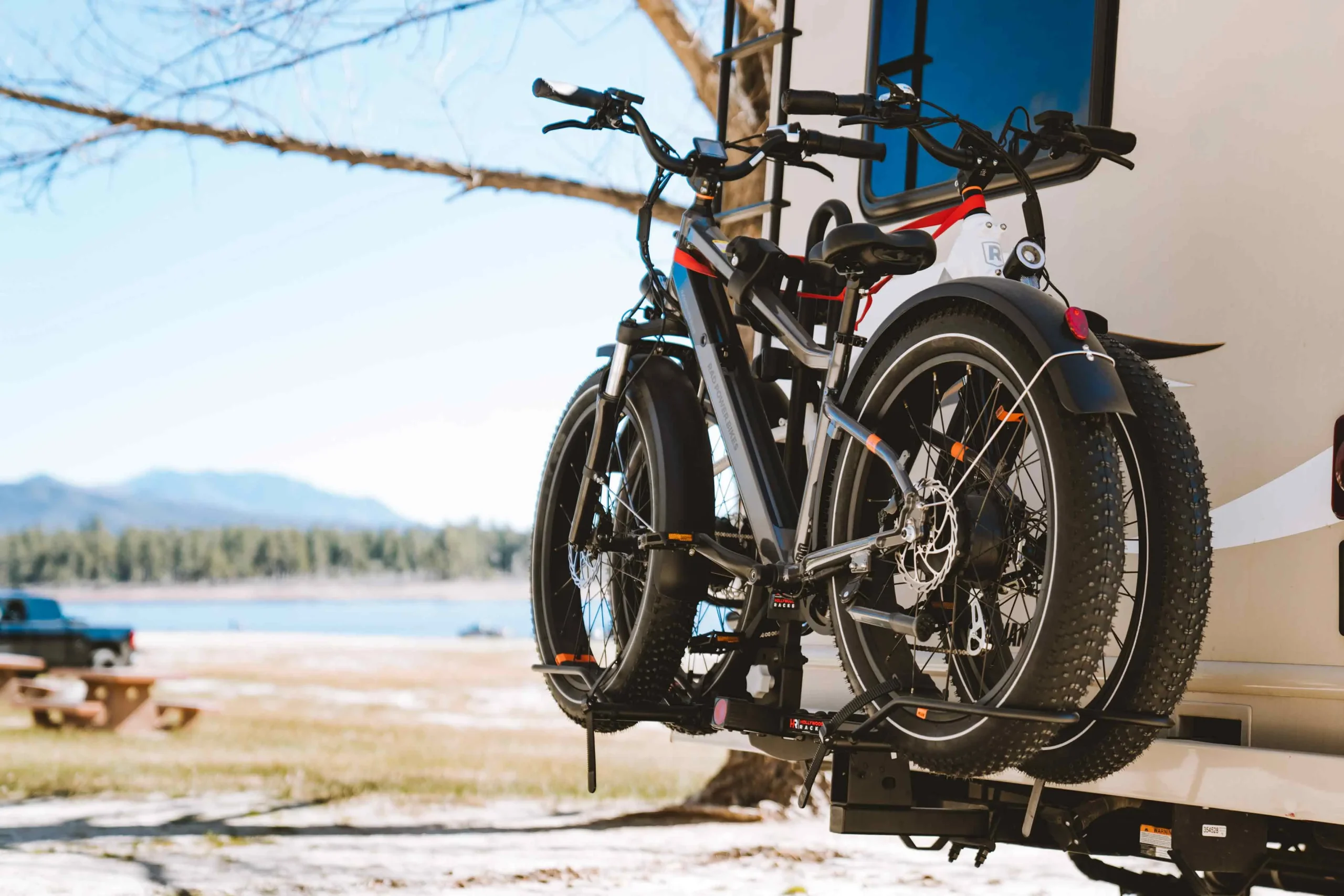
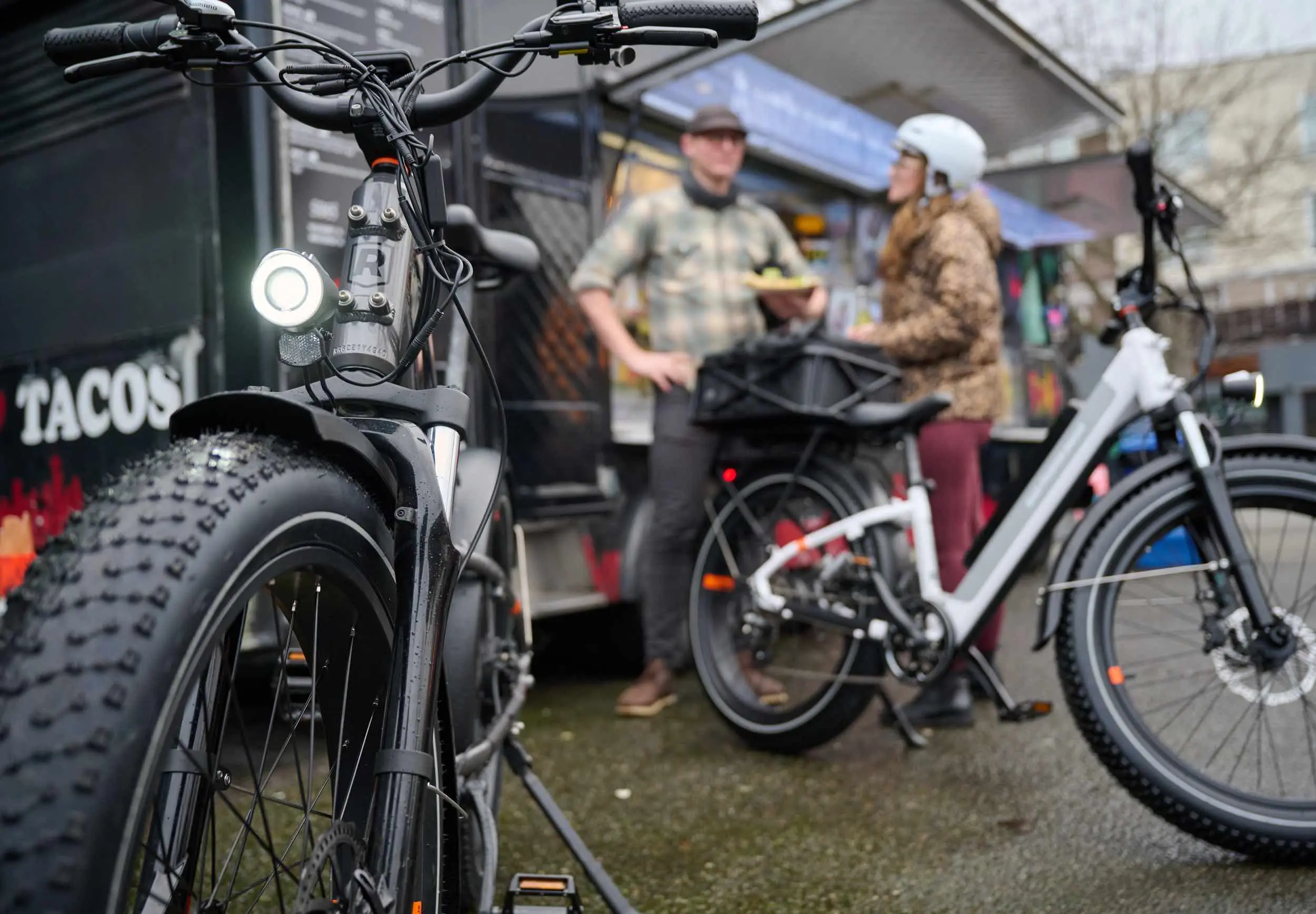
As electric bikes became more mainstream, the differences between brands started showing up less in spec sheets and more in lived experience. One name that consistently surfaces in conversations among women is Rad Power Bikes — not because it positions itself as elite or performance-driven, but because it feels grounded in real life.
Use Our Code Below to Save on Rad Power Bikes

Rad Power Bikes approached electric bikes as everyday transportation first. That mindset shows up in ways women notice quickly: stable handling at low speeds, designs that feel approachable rather than intimidating, and frames built to carry real weight without sacrificing balance or confidence.
Instead of assuming riders want maximum speed or aggressive performance, Rad focused on utility and ease. Bikes feel predictable when starting and stopping. Upright riding positions reduce strain. Integrated racks and sturdy frames make errands, bags, and even kids feel manageable rather than stressful.
For women balancing work, home, and everything in between, those details matter more than top-end power. The bike doesn’t demand attention or adaptation — it supports whatever the day brings. That’s often why women who choose Rad bikes find themselves using them for far more than their original intent.
The Mental Shift Women Don’t Anticipate
One of the most consistent changes women describe after adopting an electric bike isn’t physical—it’s mental.
There’s less hesitation before leaving the house. Fewer micro-decisions about timing, parking, or energy levels. Errands feel lighter. Transitions feel less compressed. Movement stops being something that needs to be justified.
Electric bikes create a sense of autonomy without pressure. You’re not committing to a workout or a drive. You’re choosing the easiest option—and that ease compounds over time.
Designed for Real Life, Not Ideal Conditions
The electric bikes women stick with aren’t built around perfect weather, perfect schedules, or perfect use cases. They’re built for adaptability.
They carry extra weight without instability. They handle uneven roads. They support changing routines. They grow with life rather than becoming obsolete when circumstances shift.
That versatility is why electric bikes age well. They don’t lock women into a single way of using them—they remain useful as needs evolve.
The Bigger Takeaway
Electric bikes didn’t win women over by trying to be everything.
They won by making daily life easier.
They replaced friction instead of fitness goals, confidence barriers instead of capability, and rigid routines instead of flexibility. For women navigating already-full lives, that shift isn’t just convenient—it’s transformative.
And once that friction is gone, it’s hard to imagine going back.