Most women understand, at least intellectually, that water matters. Yet many still move through their days feeling drained, unfocused, or physically off. The issue isn’t awareness—it’s how narrowly the conversation has been framed. Supporting the body isn’t just about drinking more. It’s about how the body uses what it’s given.


Modern life asks women to operate at full capacity across multiple roles at once. Work, relationships, movement, stress, hormonal shifts, and social expectations all place demands on internal systems that are easy to overlook. When the body’s baseline resources aren’t supported, everything feels harder than it should. Energy dips faster. Focus scatters. Emotional resilience thins.
What’s often missing from the conversation is the idea of balance—how fluids move through the body, how they’re retained, and how daily habits affect that process.
Why Women Experience Inconsistency in Energy and Focus
One day you feel clear and steady. The next, sluggish and foggy—despite doing “everything right.” This isn’t random. Women’s bodies are deeply responsive to internal changes, especially hormonal fluctuations that affect how fluids are stored and released.
Stress, sleep quality, movement, temperature, and even the phase of the menstrual cycle can shift the body’s needs. What worked last week may feel insufficient today. When advice ignores this variability, it leaves women feeling like they’re failing at something that was never meant to be static.
Instead of rigid rules, the body responds best to adaptability.
Mental Clarity Starts in the Body
Cognitive fatigue is often blamed on overwork or overstimulation, but physical support plays a quiet role. The brain is particularly sensitive to internal balance. Even mild disruption can affect attention span, memory, and reaction time.
For women carrying heavy mental loads—decision-making, emotional labor, multitasking—this can make the day feel disproportionately demanding. When the body is better supported, thinking often feels less effortful. Focus sharpens. The constant mental static softens.
This doesn’t eliminate stress, but it reduces how much the body has to compensate while under it.
Emotional Resilience Is Physical, Too
Emotions don’t exist in a vacuum. They’re shaped by the body’s state. When internal resources are low, emotional responses can feel amplified—irritability, restlessness, or overwhelm bubbling up faster than expected.
Circulation and oxygen delivery affect how the nervous system responds to stress. When those systems are strained, the body stays on higher alert. For women already navigating emotional complexity, this can make small challenges feel heavier.
Supporting the body’s baseline needs helps regulate emotional reactions, making space for steadier responses rather than constant recovery.
Ritual Over Rules
Support works best when it fits into real life. When it becomes another metric to fail, it adds pressure. When it becomes a moment of care, it becomes sustainable.
This might look like starting the morning before screens, pausing between meetings, or checking in after movement. These moments aren’t about optimization. They’re about responsiveness.
Women are often taught to override their bodies in service of productivity. Reframing these pauses as maintenance—not indulgence—changes the relationship entirely.
Needs Shift Across Life Stages
Internal balance is not fixed—it shifts continuously across different stages of a woman’s life. Menstruation, pregnancy, postpartum recovery, perimenopause, and menopause each bring real physiological changes that affect how the body holds onto fluids, regulates energy, and responds to daily stress. These transitions can subtly alter thirst cues, energy levels, and physical comfort, often without clear external explanations. When these shifts aren’t acknowledged, it’s easy for women to feel confused by bodies that suddenly seem unpredictable or frustrating, even though nothing is “wrong.”
Understanding that these changes are natural—not personal failures—creates space for a more compassionate relationship with the body. When women recognize that their needs evolve, care becomes responsive rather than rigid. Instead of forcing the body to meet the same expectations year after year, support can adjust alongside it. This mindset replaces self-blame with curiosity and encourages practices that work with the body’s rhythms rather than pushing against them, allowing care to feel sustainable, intuitive, and deeply respectful over time.
A More Considered Way to Support Daily Balance
Cure Hydration fits into women’s lives because it takes a restrained, intentional approach to something that’s often overcomplicated. Rather than treating fluid support as a flashy wellness fix, the brand is built around a well-established scientific principle: the body absorbs fluids more effectively when they’re paired with the right balance of minerals. Its formulations draw inspiration from the World Health Organization’s oral rehydration model, which prioritizes absorption and retention over sheer volume.
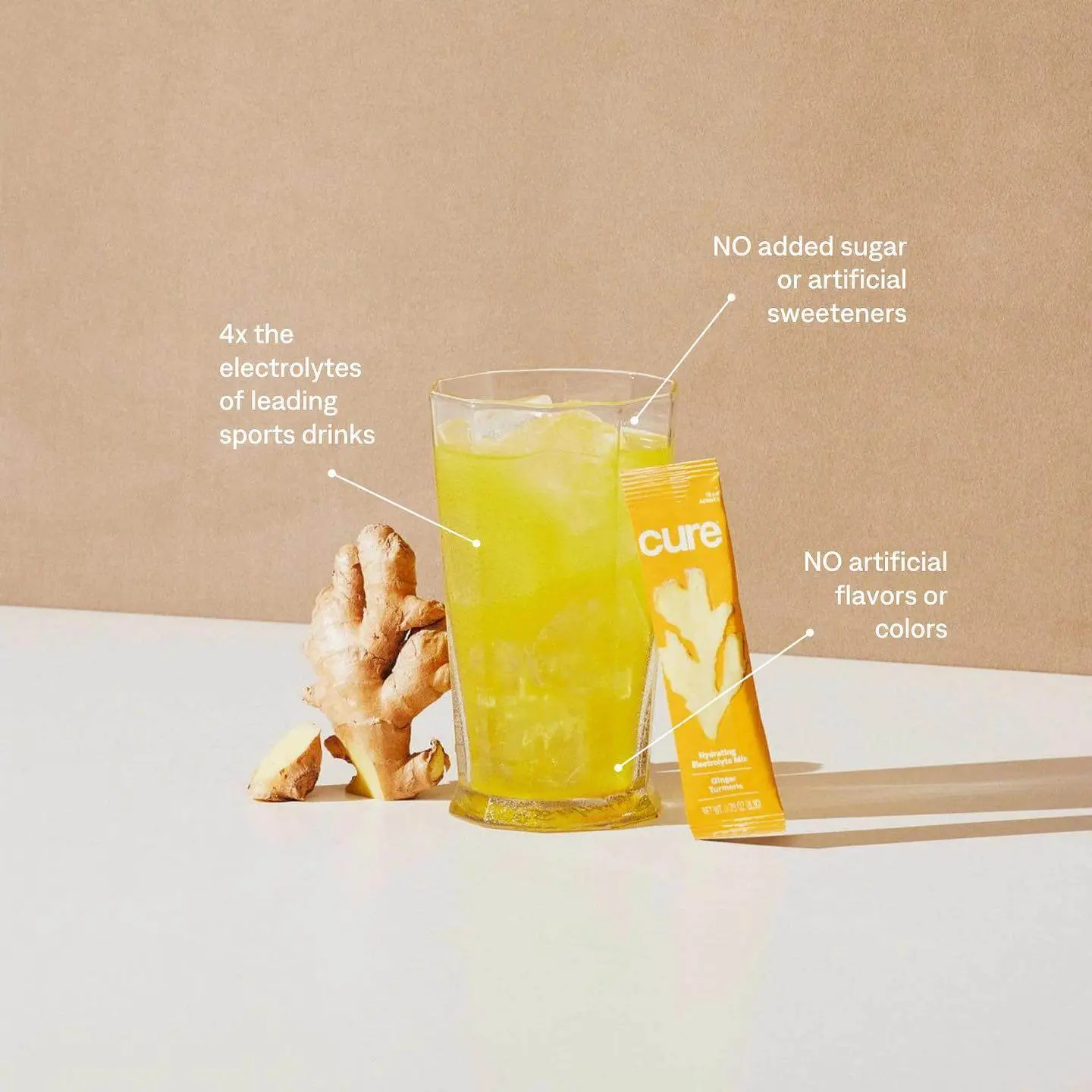
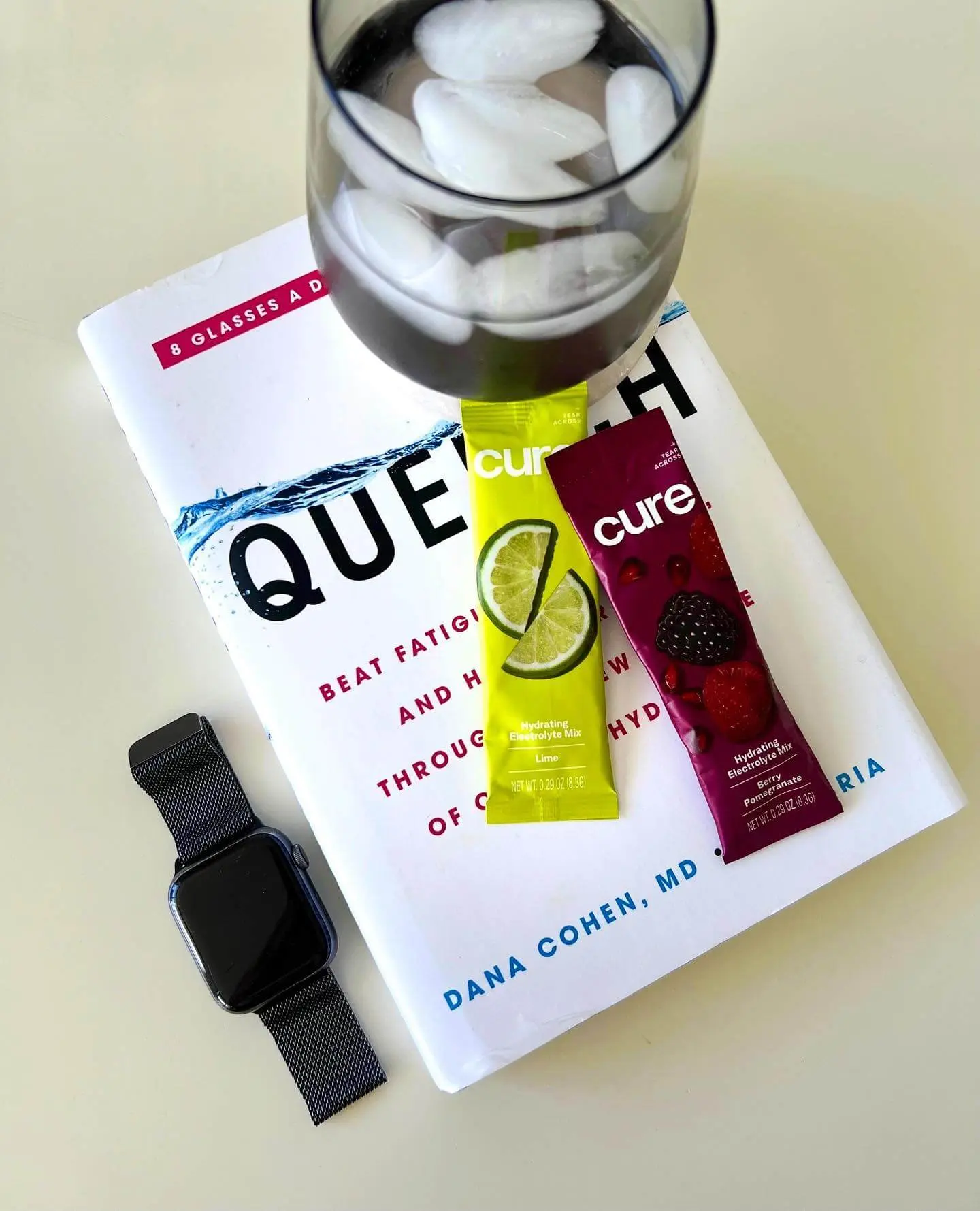
What resonates most is how quietly practical this approach is. The ingredient lists are clean and plant-based, avoiding the excessive sugars, artificial flavors, and additives that dominate many options in this space. That makes it easier to incorporate into everyday routines without feeling like an indulgence or a departure from mindful habits. It’s designed to meet real life where it is — busy days, long stretches without breaks, travel, movement, or moments when energy dips without a clear reason.
There’s also a sense of transparency and intention behind the brand. With formulations reviewed by medical professionals and a clear focus on how the body actually functions, Cure Hydration feels aligned with women who want to understand what they’re putting into their bodies, not just follow trends. It doesn’t promise quick fixes or dramatic transformations. Instead, it supports a steadier, more sustainable way of caring for the body — one that values consistency, balance, and long-term well-being.
Benefits of Supporting Fluid Balance
| Area of Life | Impact |
|---|---|
| Focus & Attention | Clearer thinking and steadier concentration |
| Emotional Regulation | Reduced reactivity under stress |
| Physical Comfort | Improved muscle and joint response |
| Daily Energy | Less fluctuation and fatigue |
| Hormonal Adaptation | Better support during natural shifts |
| Sustainable Self-Care | Easier habits that fit real life |
Other Options for Everyday Balance
Beyond Cure Hydration, women have several thoughtful ways to support their fluid and mineral balance. Brands like Liquid I.V. and Nuun also focus on creating clean, science-informed approaches that make it easier to maintain steady energy and recovery throughout busy days.


What these options share is a commitment to simplicity and effectiveness. By emphasizing electrolytes and minerals in ways the body can readily use, they support natural rhythms without relying on excess sugar or artificial ingredients. For women navigating work, movement, or daily stress, these approaches provide practical tools to stay energized and balanced, integrating easily into everyday life.
Final Thoughts
So much of women’s wellness advice revolves around doing more—tracking more, optimizing more, pushing through discomfort in the name of discipline or productivity. But some of the most meaningful support comes from doing the opposite: slowing down, paying attention, and responding to what the body is already communicating. Supporting internal balance is not a performance or a checklist item; it’s a relationship that evolves over time.
When women begin to see daily care as something flexible rather than fixed, it becomes easier to let go of frustration. Energy dips stop feeling like personal shortcomings. Physical shifts stop feeling like betrayals. Instead, they become information—signals that the body is asking for something different than it needed before. That awareness alone can change how women move through their days, with more patience and less self-criticism.
This approach also reframes care as something sustainable. Rather than relying on extremes or quick fixes, it values consistency, adaptability, and respect for the body’s natural rhythms. It acknowledges that needs will change with stress, seasons, and life stages—and that adjusting to those changes is not weakness, but wisdom.
Ultimately, supporting the body at a foundational level allows women to show up more fully in the parts of life that matter to them. Focus feels steadier. Movement feels more intuitive. Emotional responses feel less reactive and more grounded. These shifts may be subtle, but over time they compound into a deeper sense of trust in the body.