
Everyone’s chasing a better morning. Nobody’s fixing the night before.
We’ve built an entire wellness economy around the first hour of the day: cold plunges, red light, supplements, protein-packed breakfasts, elaborate skincare routines. But one of the most important parts of a good morning happens before we ever wake up.
Sleep has traditionally been treated as the thing we do when everything else is finished. Now, that’s changing.
The same recovery mindset once associated with professional athletes is making its way into everyday wellness. Women are tracking sleep, paying attention to their routines, protecting their bedtimes, and thinking more intentionally about what happens between shutting down for the day and waking up the next morning.
Call it the mainstreaming of performance sleep. Or maybe it’s simply what happens when we’ve finally stopped treating exhaustion as a personality trait.
Why Sleep Became Part of the Wellness Conversation
For years, being busy was a badge of honor. Four hours of sleep meant you were working hard. Staying up late meant you had somewhere to be, something to finish, or something more important to do than go to bed.
That attitude feels increasingly outdated.
Today, sleep trackers like Oura and WHOOP have made sleep something we can actually pay attention to. Instead of simply asking, “How many hours did I get?” we’re increasingly curious about our overall sleep patterns, consistency, and how rested we feel.
The interesting part isn’t the technology itself. It’s the cultural shift underneath it.
We’re beginning to see rest as something that supports everything else we’re asking our bodies to do.
Professional athletes have understood this for years. Their performance isn’t built entirely around training. Recovery is part of the equation, too. And while most of us aren’t training for the Olympics or playing a professional sport, the underlying idea translates surprisingly well to everyday life:
You can’t optimize performance while treating recovery as an afterthought.
For women balancing demanding careers, workouts, social lives, relationships, and the endless mental checklist that comes with modern life, that’s a pretty useful realization.
The Nighttime Routine Deserves More Attention
Morning routines are easy to romanticize. They’re visible: the coffee, the skincare, the supplements, the workout. Your nighttime routine? It’s usually whatever happens after you’re already tired.
But the hour before bed can be just as important to how you transition out of the day. Instead of building another elaborate 10-step routine, focus on a few simple ways to make your evenings feel more intentional.
4 Ways to Build a Better Nighttime Routine
1. Dim the lights.
Swap bright overhead lighting for lamps or softer bulbs as the evening winds down. You don’t need to turn your home into a spa—creating a noticeable shift from daytime lighting to evening lighting can simply help your space feel more relaxed.
2. Give yourself a wind-down window.
Instead of going straight from emails, scrolling, or finishing chores into bed, give yourself some time to transition. Shower, do your skincare, read, stretch, make tea, or simply put your phone away. The activity matters less than creating a consistent signal that the day is over.
3. Keep your sleep schedule predictable.
You don’t need to go to bed at exactly the same minute every night, but keeping your wake-up and bedtime relatively consistent can make your routine easier to maintain. Start by choosing a realistic wake-up time and work backward to give yourself enough time for sleep.
4. Make your bedroom a sleep-first environment.
Think about the basics: a comfortable temperature, minimal light, quiet surroundings, and bedding you actually enjoy getting into. The goal isn’t to create a perfect sleep sanctuary—it’s to make your bedroom feel distinctly different from the rest of your day.
The common thread? None of these require another app, subscription, or complicated protocol. They’re small environmental and behavioral changes that make it easier to treat sleep as part of your routine rather than whatever happens after everything else is finished.
The Recovery Gear Making Its Way to the Nightstand
The Recovery Gear Making Its Way to the Nightstand
If the goal of a better nighttime routine is to make sleep feel more intentional, it makes sense that the recovery category has started moving beyond mattresses and pillows. The products are getting smaller, more targeted, and designed to address the little things that can affect your sleep environment—from light to airflow to how comfortable you feel throughout the night.
It’s also one of the more interesting ways the athlete recovery world has made its way into everyday life. You don’t need a room full of recovery equipment or a professional trainer telling you what to do. Sometimes it’s as simple as making a few small upgrades to the environment you’re already sleeping in.
That’s what caught my attention about Dream Recovery. The brand takes a straightforward approach to nighttime recovery, with products designed around some of the basic elements of the sleep environment: light, airflow, and breathing.
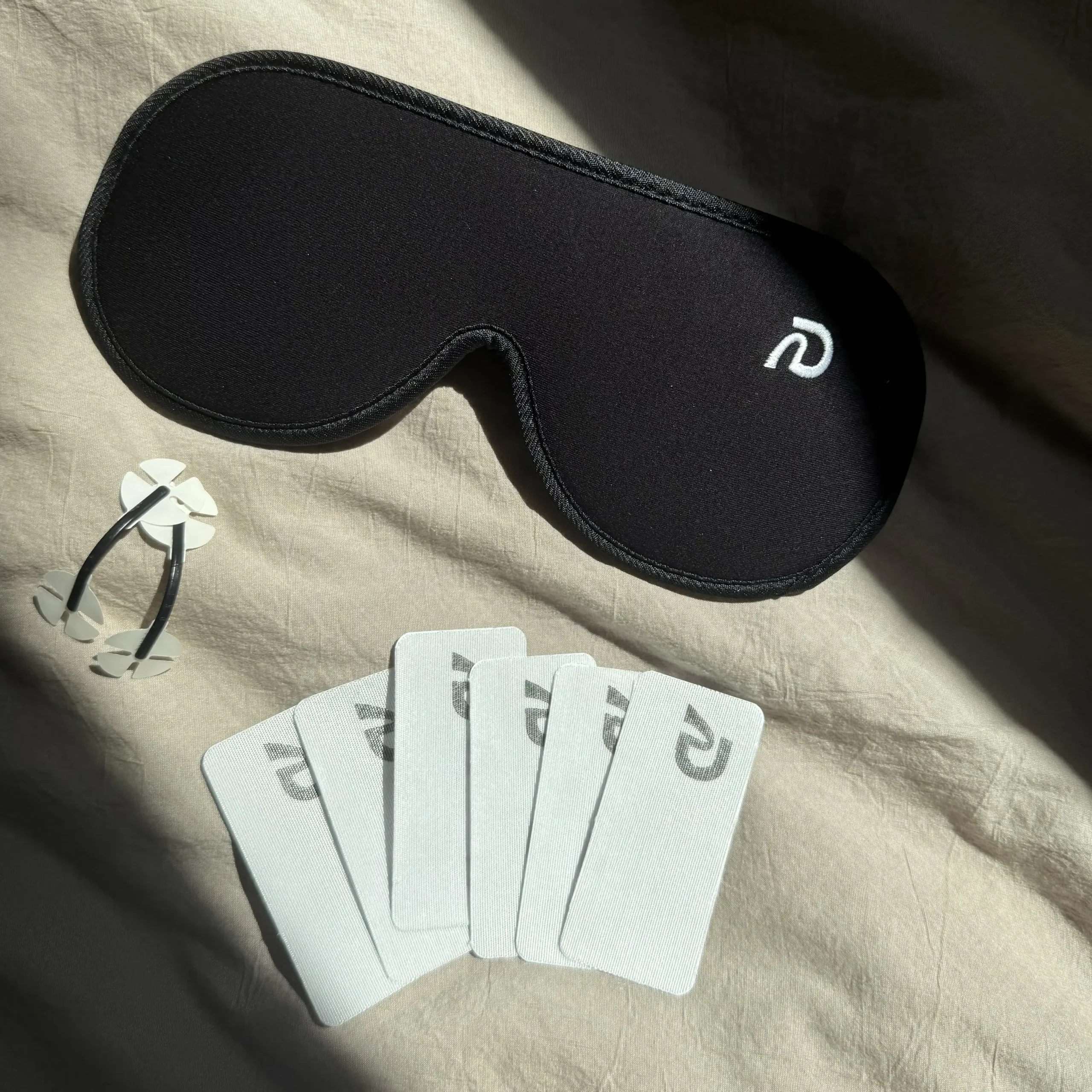
The brand approaches sleep through a few simple environmental and comfort-focused essentials, including its Performance Silk Sleep Mask, Second Wind Nasal Strips, and Dream Mouth Tape.
Performance Silk Sleep Mask
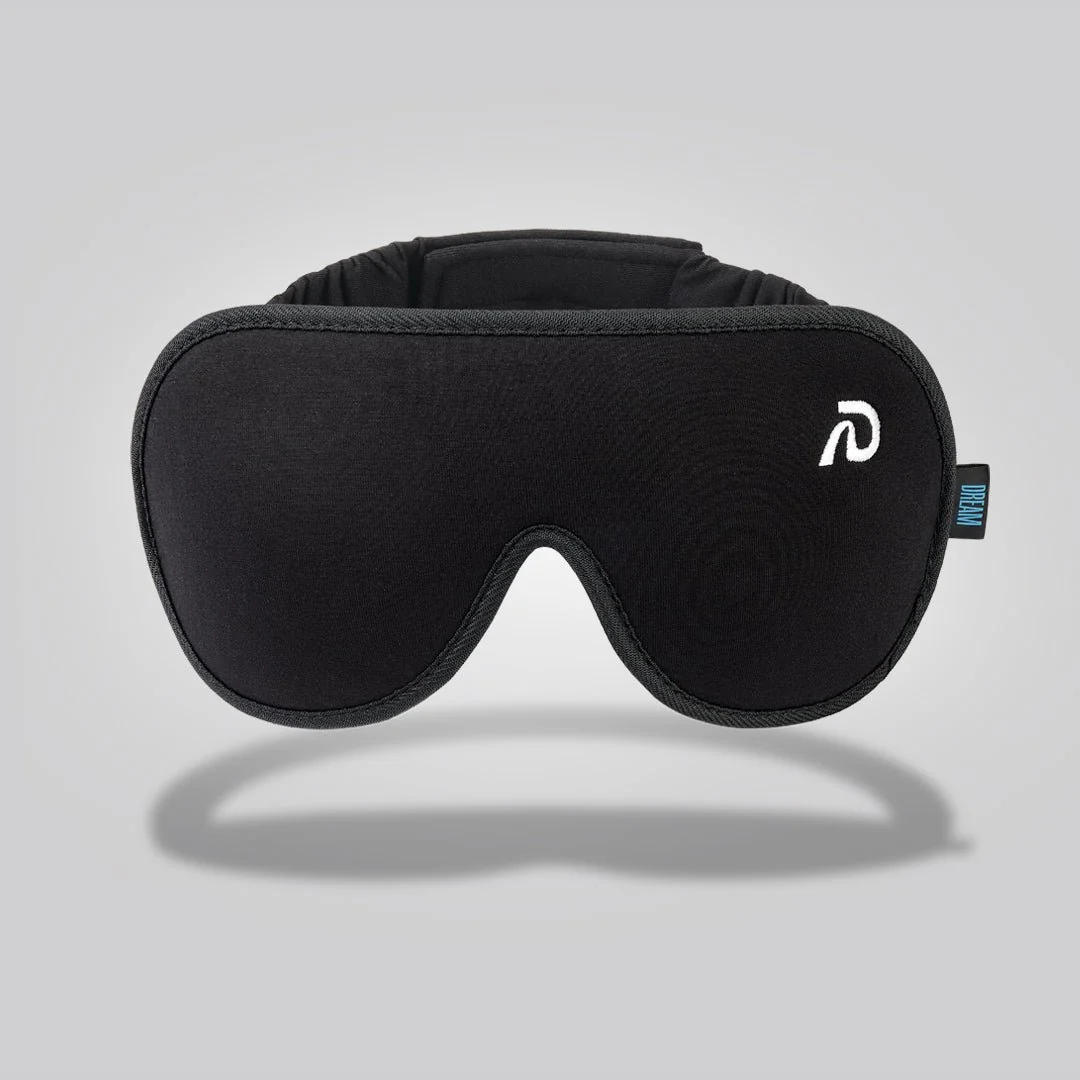
Dream Recovery’s Performance Silk Sleep Mask is the most straightforward of the three: it blocks out light while you sleep. The 100% mulberry silk construction is soft against the skin, and the mask is designed to create a full blackout without the stiffness or bulk I find in some traditional sleep masks. I like that it stays comfortable throughout the night without putting pressure directly around my eyes. If you’re sensitive to light in your bedroom, travel frequently, or simply prefer sleeping in complete darkness, this is the kind of upgrade that can make an immediate difference to your environment.
Second Wind Nasal Strips
Dream Recovery’s Second Wind Nasal Strips are designed to physically open the nasal passages to make breathing through your nose easier. The adhesive strip sits across the bridge of your nose and gently pulls the sides outward, creating more room around the nostrils. I like these for nights when I feel congested or find myself defaulting to mouth breathing. They’re also incredibly easy to incorporate: put one on before bed and forget about it.
Dream Mouth Tape
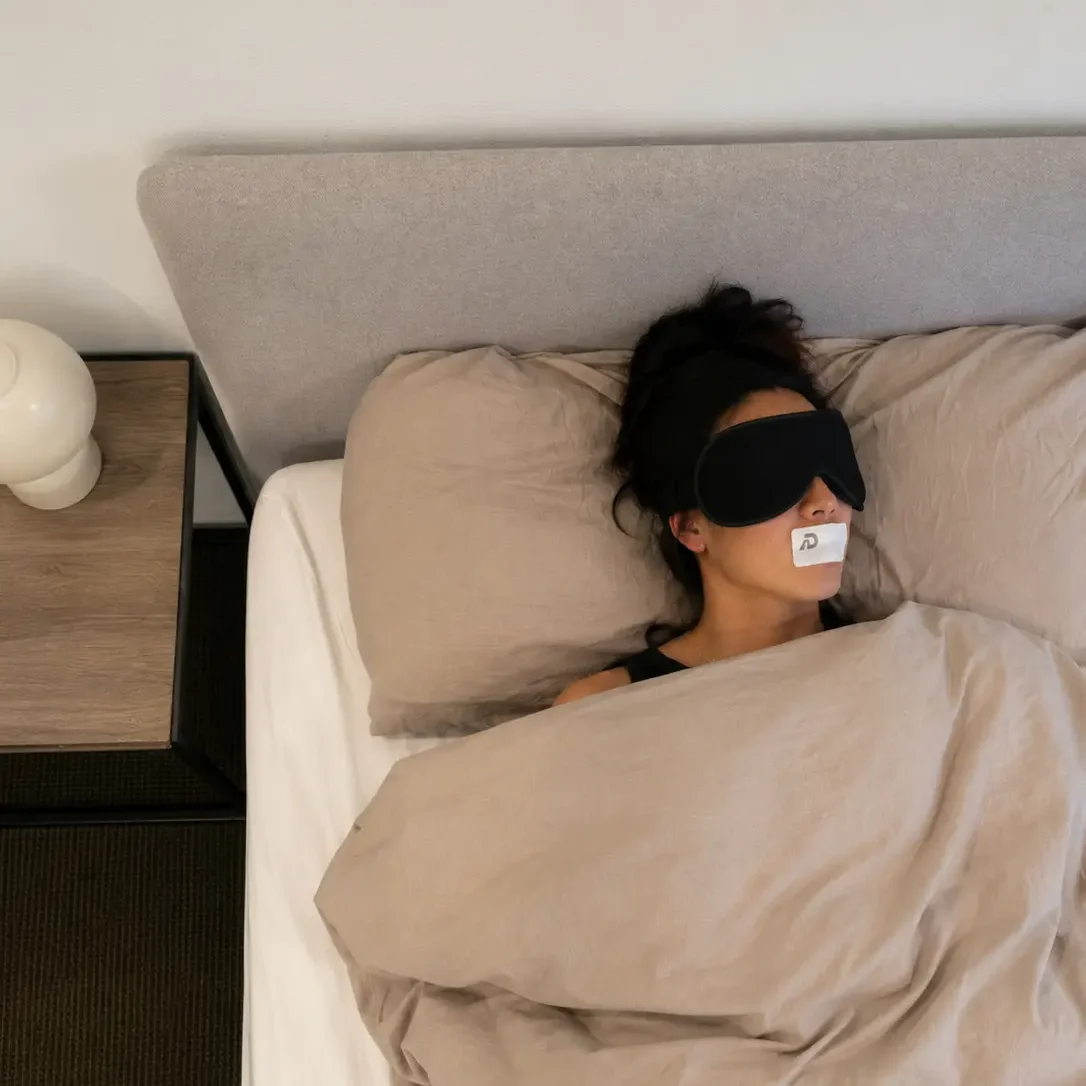
Dream Mouth Tape s designed to encourage nasal breathing by gently keeping the lips closed during sleep. It’s a very different approach from the nasal strips: the strips work from the outside of the nose to create more space for airflow, while mouth tape is intended to discourage opening the mouth during sleep. For me, the appeal is that it’s a simple behavioral cue rather than another complicated addition to my routine. If you’re considering mouth tape, it’s important to follow the product’s instructions and make sure it’s appropriate for you before using it.
What I like about the three together is that each one addresses a different part of the sleep environment: the mask handles light, the nasal strips focus on nasal airflow, and the mouth tape encourages keeping the mouth closed. They’re small interventions, but they’re also easy to understand—and, more importantly, easy to actually use consistently.
The Sleep Routine Is the New Recovery Routine
The biggest lesson I’ve taken from the athlete approach to recovery isn’t that everyone needs to copy a professional training program.
It’s that consistency matters.
Professional athletes don’t think of recovery as something they do only when they’re exhausted. It’s incorporated into the larger routine because they know they’ll perform better when recovery has a place in the schedule.
The same thinking can apply to everyday life.
Instead of waiting until you’re completely depleted to prioritize sleep, make it part of the routine before you get there.
That might mean:
- Choose a realistic wake-up time. A consistent starting point can make the rest of your schedule easier to build around.
- Work backward from your sleep needs. Give yourself enough time in bed rather than treating sleep as whatever time remains after everything else.
- Create a short wind-down routine. It doesn’t need to be elaborate. Ten to thirty minutes of predictable, low-key activities can create a useful transition into bedtime.
- Make your environment work for you. Think about light, temperature, noise, bedding, and anything else that tends to distract you at night.
- Pay attention to how you feel. Sleep trackers can provide interesting data, but your own experience matters too. Notice what happens when you get enough sleep consistently versus when your schedule gets thrown off.
None of this is particularly revolutionary.
We’ve become so accustomed to optimizing everything that it’s easy to assume better wellness requires another device, another supplement, or another complicated protocol.
Sometimes it means going to bed.
The Best Morning Routine Starts the Night Before
Maybe the next evolution of the morning routine isn’t another thing to do at 6 a.m.
Maybe it’s deciding that 10 p.m. deserves the same attention.
Because the best morning routine isn’t necessarily the one that helps you wake up better.
It’s the one that makes waking up feel better in the first place.