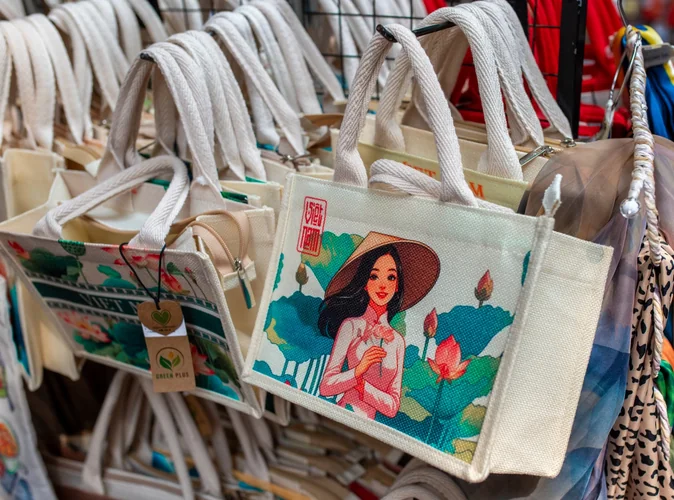

The canvas bag from a bookstore in Brooklyn used to signal something. Now every woman under 40 owns fourteen totes, and half of them came free with a smoothie.
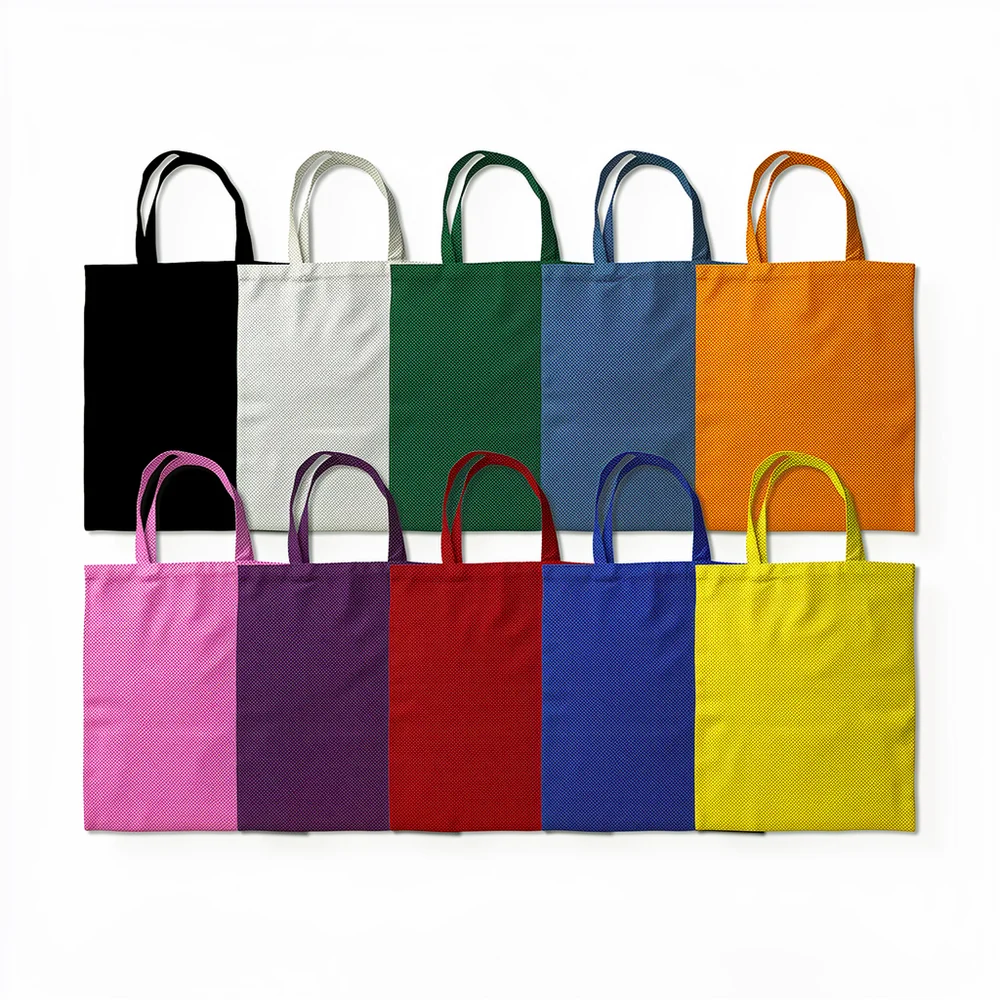
We’ve reached peak tote saturation, and the humble non-woven bag — that crinkly, matte, weirdly indestructible thing — has quietly become the most honest fashion object of the decade. It says everything about how we shop, what we believe, and how much we want strangers to know it.
How a Grocery Bag Became a Personality Test
Look inside any woman’s car right now. You’ll find a stack of totes from farmers markets, indie bookshops, a friend’s wedding, a nonprofit gala, and one mystery bag from a dentist’s office. Each one is a tiny billboard for a version of herself.
The non-woven tote — cheap, printable, endlessly reproducible — turned personal branding into a physical object you can hang on a hook. And unlike the leather bag she saved up for, this one gets to shout.
That’s the shift worth noticing. We used to buy bags that whispered about our taste. Now we carry bags that announce our beliefs, our zip code, our favorite podcast.
Why “Cheap” Stopped Being an Insult
There’s something almost radical about a bag that costs under two dollars and outlasts a designer clutch. Non-woven polypropylene is technically plastic — but it’s the plastic we’ve collectively decided we can live with, because it replaces roughly 700 single-use bags per unit, according to UNEP research on reusable alternatives.
The women driving this aren’t apologizing for buying something inexpensive. They’re doing math. A $1.50 tote used weekly for three years is closer to a wardrobe staple than a throwaway.
Fast fashion made us suspicious of cheap. Non-woven totes are making us reconsider what cheap even means.
Bag With a Purpose: When Your Tote Carries a Message
The most interesting totes right now aren’t from luxury houses — they’re from book clubs, mutual aid networks, small candle brands, and Sunday morning run clubs. Custom-printed Economy Non-Woven Tote Bags from Wrist-Band.com let women’s groups, small businesses, and community organizers turn a daily carry into a walking statement of values. Prices start low enough that a founder can order 100 without wincing, which is exactly why they’re showing up at every pop-up market from Austin to Providence.
A tote with your collective’s name on it does what a business card never could. It travels.
The Aesthetic of Belonging
Scroll TikTok’s #totebag tag and you’ll see the same visual language repeating: a canvas or non-woven bag layered over a linen dress, stuffed with a paperback, a water bottle, maybe celery. The bag is the flex. The contents are the receipt.
What we’re really watching is a generation opting out of logo obsession and into affiliation obsession. It matters less which designer we’re carrying and more which community, cause, or corner store we’re advertising.
This is the softer signal of our era — and it’s cheaper, more useful, and considerably more honest than a monogram.
For more on the objects quietly shaping how we dress and shop, visit Peak&Pick.