
Everyone’s chasing a better morning. Nobody’s fixing the night before.
The women optimizing their mornings — the lemon water, the red light, the four-step serum routine — are ignoring the eight hours that actually determine how their skin, mood, and metabolism perform the next day. Athletes figured this out ages ago. Sleep isn’t the reward for a productive day. It’s the infrastructure.
What’s shifting now is who’s paying attention. The recovery science once reserved for NBA locker rooms and Olympic training centers has quietly become the domain of women in their thirties who track their HRV and know their chronotype. Call it the mainstreaming of performance sleep. Call it what happens when burnout stops being a badge.
Why Sleep Became the New Status Symbol
There’s a reason Whoop bands and Oura rings quietly replaced the Cartier Love bracelet as the flex of choice among a certain kind of woman. Recovery data is the new currency. Sleep is the new spend.
LeBron James reportedly gets 12 hours of sleep a day. Roger Federer clocked the same during his career. Serena Williams talks openly about eight hours being non-negotiable. These aren’t wellness influencers — these are people whose income depends on their bodies functioning at the edge of what’s possible.
The cultural translation is happening in real time. Women who used to brag about running on four hours are now protecting their bedtime like a boardroom meeting. Sleep debt is finally being treated the way credit card debt should be — with alarm, not amusement.
What this says about us: we’ve stopped confusing exhaustion with ambition. About time.
The Cool-Down Ritual That Actually Matters
Athletes don’t collapse into bed after a game. They cool down — physically and neurologically — for 60 to 90 minutes before sleep. The body needs a runway. Ours doesn’t get one.
The average woman goes from Slack to skincare to scrolling to sleep in under 20 minutes. Then wonders why she wakes at 3 a.m. with a clenched jaw.
Borrow the athlete’s pre-sleep protocol:
- Drop the core temperature. A warm shower 90 minutes before bed triggers the cooling response that signals sleep. Not a hot bath at 11:45 p.m.
- Kill overhead lights by 9 p.m. Athletes at EXOS training facilities use amber lighting after sundown. Swap one bulb, notice the difference.
- Legs up the wall for 10 minutes. It’s what marathon runners do post-race. It downshifts the nervous system faster than meditation apps.
- Stop eating three hours before bed. Digestion competes with recovery. Pick one.
None of this requires a subscription or a specialist. It requires treating the hour before sleep as sacred instead of leftover.
The Gear Athletes Swear By (That Works Just as Well on Your Nightstand)
The recovery tool market used to be gatekept by professional trainers. Now the same equipment sits on nightstands in Brooklyn and Silver Lake, and the crossover makes sense — women want what works.
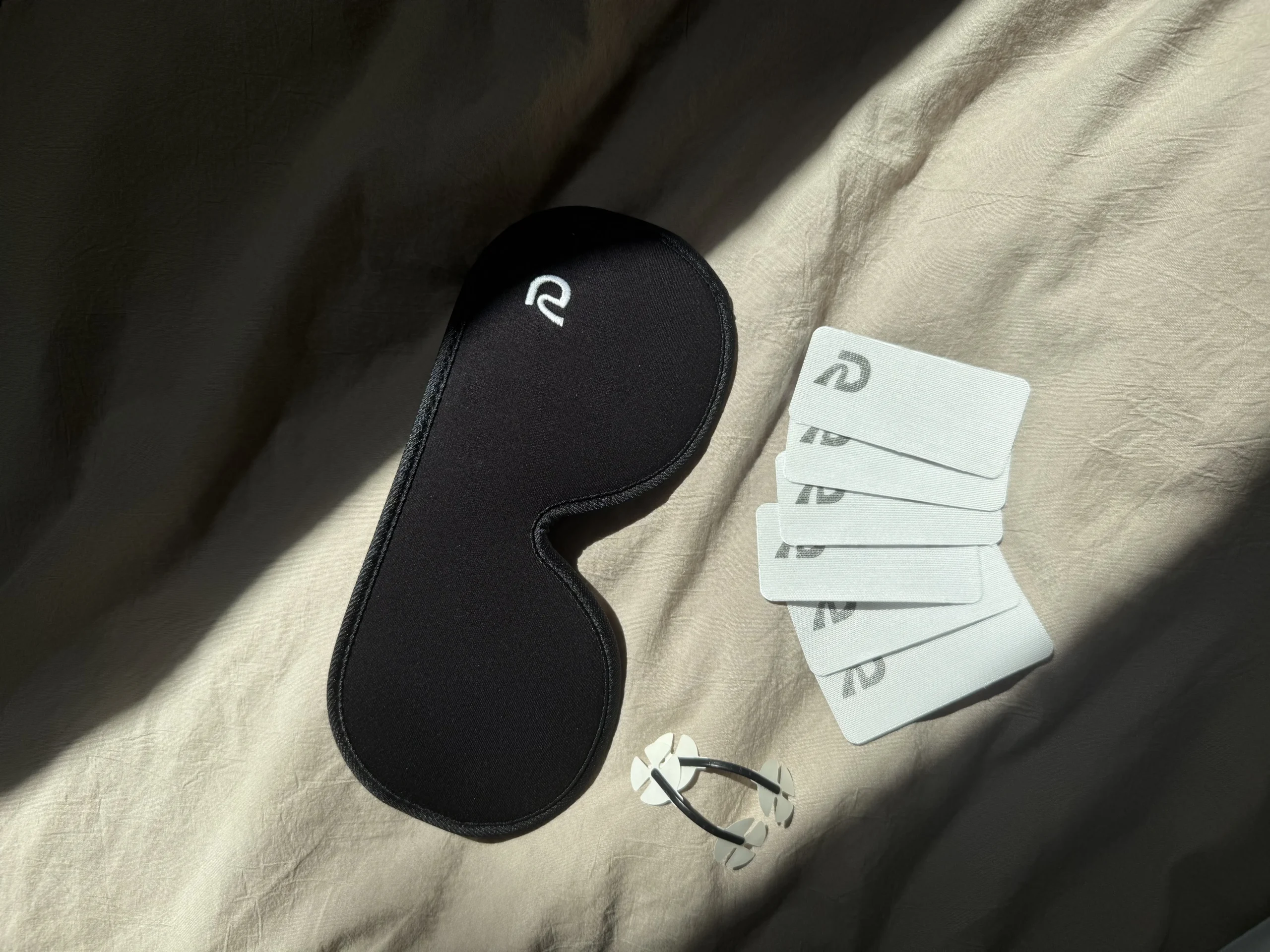
Dream Recovery is the performance-based sleep brand that’s crossed over from NBA and NFL travel recovery kits to the nightstands of women who take their sleep as seriously as their training. What sets them apart is the trifecta: the Performance Silk Sleep Mask, the nasal strips, and the mouth tape. Together they address the three things that actually determine sleep quality — light, airflow, and breathing pattern — instead of just one.
- The Performance Silk Sleep Mask does what cheap cotton and synthetic masks can’t. The 100% mulberry silk creates a complete blackout seal without the pressure points that leave you with morning imprints — no more waking up looking like you slept in ski goggles. Unlike bulky contoured masks that trap heat and shift around all night, this one stays put on side sleepers, breathes against the skin, and doesn’t tug at the delicate under-eye area where fine lines form first. The silk is naturally hypoallergenic and moisture-wicking, meaning your overnight serums absorb into your skin instead of into the fabric. It also regulates temperature which matters more than most people realize for staying in deep sleep.
- Second Wind Nasal Strips open the airway so you’re breathing efficiently through your nose, which is what the body is designed to do overnight.
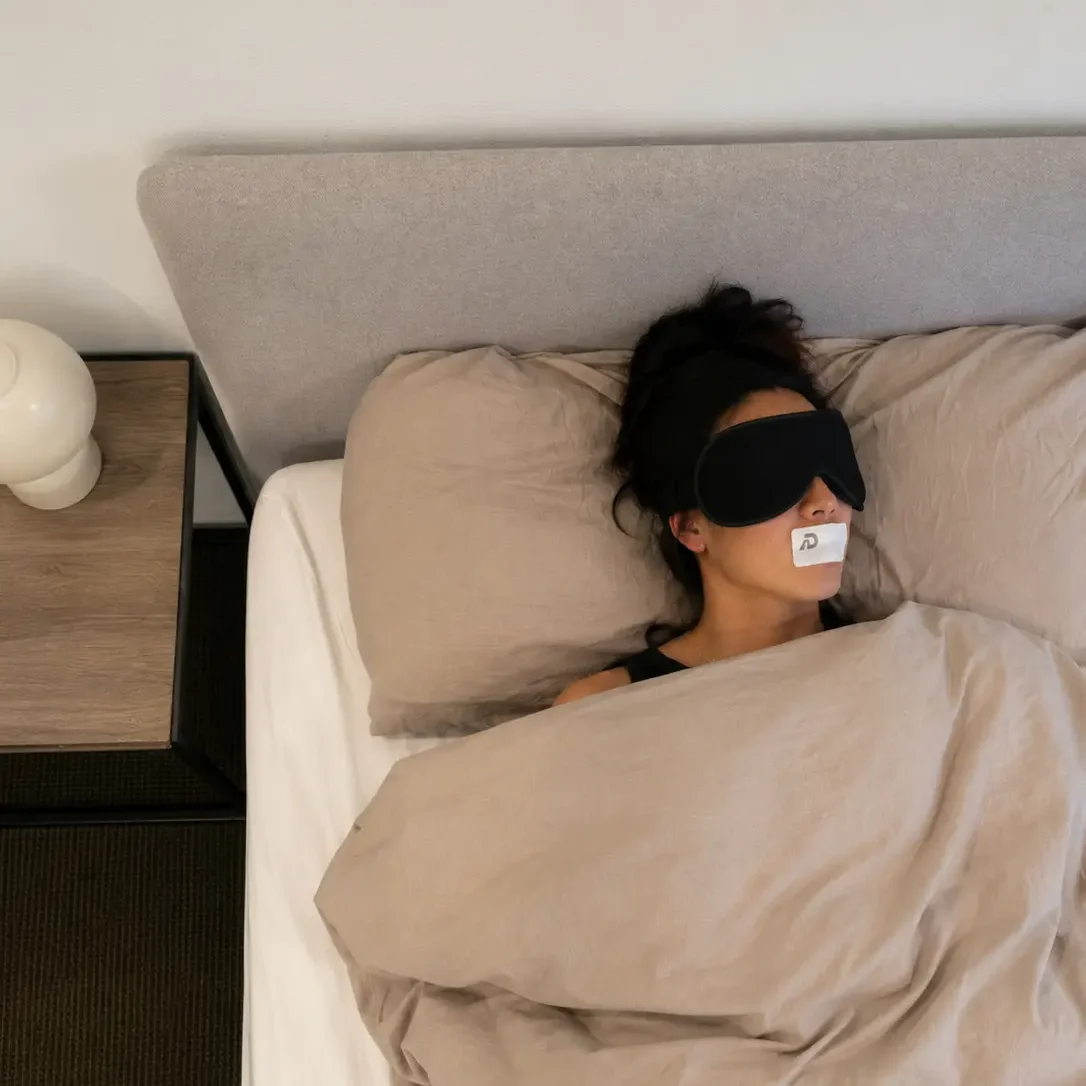
- Dream Mouth Tape keeps you there — training the jaw closed so you’re not defaulting to mouth breathing, which dries out the airway, disrupts deep sleep, and is quietly responsible for a lot of the morning fatigue people blame on everything else.
Athletes use all three together because the compounding effect is real. Total darkness triggers melatonin. Nasal breathing raises nitric oxide and oxygen uptake. Mouth tape keeps the whole system locked in through the night.The gear isn’t the point. The gear is the permission slip to take sleep seriously.
Sleep Scheduling: The Non-Negotiable Athletes Live By
Elite athletes go to bed at the same time every night. Weekends included. It sounds militant until you notice how much better your skin looks after three consecutive nights of an 11 p.m. bedtime.
Circadian rhythm is a training effect. It responds to consistency the way muscles respond to repetition. Vary your sleep window by more than 45 minutes and cortisol spikes, insulin sensitivity drops, and inflammation quietly climbs. All of which show up on your face before they show up on a blood panel.
The professional protocol:
- Anchor your wake time first. Same hour every day, even Sunday.
- Back into your bedtime. Eight hours minimum, nine if you’re training hard or under stress.
- Track for two weeks, then adjust. The Sleep Foundation recommends this for finding your actual sleep need.
- Nap strategically. Athletes nap 20 to 90 minutes — never in between. The 30-to-60-minute window is where grogginess lives.
The cultural read here: we’ve spent a decade being told to hustle. The women who are actually winning right now — in career, in skin, in energy — are the ones treating consistency as the flex.
What Recovery Culture Says About This Moment
Sleep has become the last honest metric. You can fake a workout on Instagram. You can filter your skin. You can’t fake how you feel at 7 a.m. after five hours of interrupted sleep.
The athlete-to-everyday-woman pipeline isn’t about turning your bedroom into a training facility. It’s about admitting that recovery is the actual work. That the body is not a machine to be pushed, but a system to be maintained. Coverage across Peak&Pick keeps circling this same shift — the move from performance-as-output to performance-as-rest.
The women optimizing their sleep aren’t opting out of ambition. They’re finally aligned with it.
For more on how women are redesigning their recovery routines, visit Peak&Pick.